

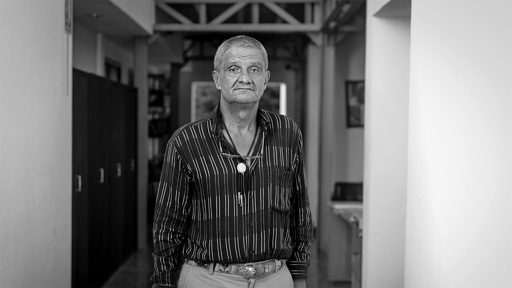
La Moskitia, on Nicaragua’s Caribbean coast, is often treated in Managua as a frontier: timber, gold, cattle, rivers, votes, and military concern. To the Miskitu, Sumu-Mayangna, Rama, Garífuna, and Creole peoples who live there, it is older than the Nicaraguan state. Its forests, savannas, rivers, and marine life are part of a political claim as well as a homeland. The demand has long been plain enough: land, autonomy, and a say over what happens there. Brooklyn Rivera Bryan spent most of his life carrying that demand into war, negotiation, electoral politics, exile, and prison. Known in Miskitu communities as Taupla Brooklyn, he died on May 30th, aged 73, in the custody of Daniel Ortega’s government. He had been detained since September 2023. For months the government denied holding him. It later acknowledged his imprisonment. No public trial was held. His family was denied visits. His public life began after the Sandinista revolution of 1979, when the new government sought to draw the Atlantic Coast into a national project directed from the Pacific. The Miskitu experience of that project was marked by surveillance, arrests, violence, and forced displacement. In 1981 Rivera was arrested while leading Misurasata, an Indigenous organization whose name linked the Miskitu, Sumu, Rama, and Sandinistas. By 1982, thousands of Miskitu had been moved from villages along the Río Coco. Many fled to Honduras. Rivera’s cause was narrower and more durable than the Cold War frame around him: an autonomous Indigenous territory in Yapti Tasba, the aboriginal homeland.…This article was originally published on Mongabay
From Conservation news via This RSS Feed.