

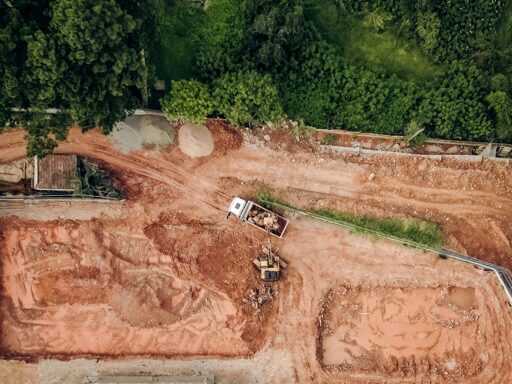
The global sand mining industry removes around 50 billion metric tons of material each year, outpacing the rate at which sand replenishes through the slow geological processes of weathering, reports Mongabay’s Carolyn Cowan. According to a report by the U.N. Environment Programme (UNEP), the demand for sand is expected to grow by 45% by 2060 for the building sector alone. Pascal Peduzzi, director of UNEP’s GRID-Geneva program, described sand as the “unrecognized hero of development” in a press release. But he added that its role in sustaining biodiversity and vulnerable coastal communities is frequently overlooked. “Sand is our first line of defence against sea level rise, storm surges, and salination of coastal aquifers — all hazards exacerbated by climate change,” he said. The impacts of this unsustainable sand extraction are particularly visible in Southeast Asia, which serves as a global epicenter for supply and demand. The report highlights how large-scale land reclamations and urban development projects have led to irreversible river erosion, coastal degradation, and the loss of local livelihoods. In the Philippines, for example, dredging for a new airport displaced 700 families and damaged critical fishing grounds. Similarly, sand mining in the Mekong River has caused riverbank collapses and reduced wet-season flows into Cambodia’s Tonle Sap Lake. Despite these consequences, the UNEP report notes that governance of sand resources remains fragmented and driven by short-term economic gains while long-term environmental and social costs accumulate. The report calls for an overhaul of industry processes, urging governments to adopt “national and…This article was originally published on Mongabay
From Conservation news via This RSS Feed.