

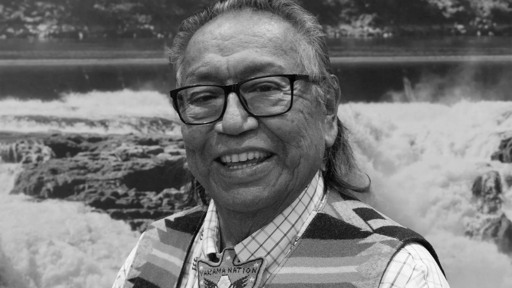
At Bradford Island, near Bonneville Dam, the river carried more than water. Beneath the surface of the Columbia were toxic sediments, dumped near a place where Yakama people had fished since time immemorial. To officials, it was a cleanup site. To the Yakama Nation, it was a usual and accustomed fishing place, protected by treaty. To Davis Washines, known to many as Yellowash, it was also a crime scene. The victims, he said, were first the water, then the salmon and other life that depended on it, and then the people who depended on them. He did not speak that way for emphasis. He spoke from a life spent moving between law enforcement, ceremony, public service, and the river. Evidence mattered to him. So did harm, responsibility, and the obligations carried through Yakama law, culture, and memory. Yellowash died on May 1st, at his home in White Swan, Washington. He was 74. By then he had held many titles: Yakama Tribal Police chief, Columbia River Inter-Tribal Fish Commission police chief, member of the Yakama Tribal Council, chairman of the Yakama Nation General Council, government relations liaison in the Yakama Nation Department of Natural Resources, trustee, board chair, counselor, teacher, and ceremonial leader. The titles marked a long public life. They did not fully describe it. He began that life in public service in 1973 with the Yakama Tribal Police Department and rose to chief in 1986. He later returned to that role, and then became chief of police for the…This article was originally published on Mongabay
From Conservation news via This RSS Feed.