

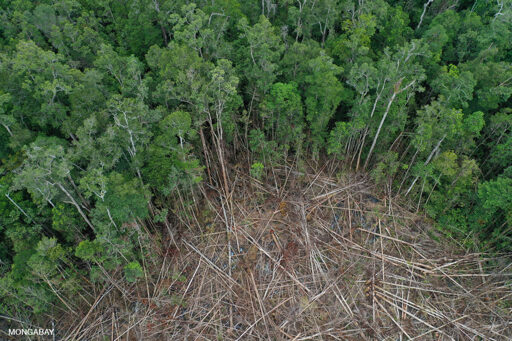
The price of financial stability should not be environmental destruction. Yet when countries turn to the International Monetary Fund (IMF) for help, their forests may quietly suffer. The IMF is currently reviewing the design of its lending programs, and it is time for change. Its recipe for getting economies back on track often features required reforms such as cutting government expenditure, increasing revenue collection through taxes or utility tariff increases, winding down public ownership of state-owned enterprises and encouraging the private sector to step up: austerity in other words. These policies are meant to restore stability in times of crisis, but growing evidence shows that IMF programs often fall short in helping countries break out of the cycle of economic and financial distress. Instead, they can trigger collateral damage in the form of negative health outcomes, worsened poverty and inequality and eroded social protection. Image by Forster et al., 2026 (CC BY 4.0). Our new research provides evidence that these programs also have an important and often overlooked environmental dimension, revealing that countries experience 9.2% higher annual tree cover loss during years in which they are under an IMF program. In a typical three-year IMF program, this amounts to forest loss the size of Barbados. This finding comes as no surprise as IMF programs are known to generally cut government spending, and environmental protections are often the first to go. These conditions that come in exchange for financial assistance are a major shortcoming when it comes to effects on forests,…This article was originally published on Mongabay
From Conservation news via This RSS Feed.