

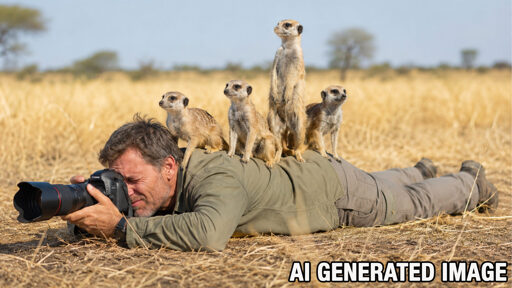
Founder’s Briefs: An occasional series where Mongabay founder Rhett Ayers Butler shares analysis, perspectives and story summaries. Conservation journalists are facing a new issue: AI-generated wildlife imagery. The issue is not just that fake images exist. That has long been true. What has changed is how convincing synthetic wildlife photos and videos have become, how cheaply they can be made, and how quickly they can spread. A clip can move through Facebook, WhatsApp, TikTok, or even LinkedIn before anyone has checked whether it shows a real animal, a real place, or a real event. That matters because wildlife images carry an implicit claim. A photograph of a rare animal, a camera-trap still, or a video of unusual behavior usually tells the viewer: this happened. As generative AI improves, that assumption needs more scrutiny. The risks are not theoretical. False videos of animal attacks can deepen fear in places where human-wildlife conflict is already difficult to manage. Fabricated images of wild animals behaving like pets can feed demand for the exotic pet trade. Misleading footage of rare species can absorb the time of researchers, journalists, NGOs, and public agencies that have to determine whether an event actually occurred. It also changes the work of newsrooms. At Mongabay, we now spend more time looking at sourcing, provenance, metadata, reverse-image searches, forensic tools, and whether a photographer, researcher, or institution is known and trusted. AI detectors can occasionally help in some cases, but they cannot settle the question. False positives and false negatives…This article was originally published on Mongabay
From Conservation news via This RSS Feed.