


This article by Juan Antonio Dávalos, Eduardo Pigeón and Héctor Alfonso Morales originally appeared in the May 28, 2026 edition of ESTO.
The arrival of the 2026 FIFA World Cup is accelerating the urban transformation of Mexico City: remodeled spaces, infrastructure projects in the areas surrounding Azteca Stadium, and unfinished improvements to public transportation. Everything seems to be heading toward progress, but there’s a rival running parallel: the risk of gentrification in neighborhoods like Santa Úrsula, Huipulco, Tlalpan Centro, Acoxpa, and Miramontes.
“There is a relationship between mega sporting events, in this case a World Cup, and urban processes such as gentrification, and I think it is very interesting to focus on other areas of the city that have not been identified or studied, such as Coyoacán or Santa Úrsula, because we are seeing phenomena of increased land value, construction of new buildings, and this has generated a very important neighbourhood conflict in that area of the city,” Adrián Hernández Cordero, a research professor at the Metropolitan Autonomous University (UAM), Iztapalapa campus, told ESTO.
And these increases in property prices are starting to be noticeable in the lead-up to the World Cup, while the city government has boasted of an investment of 16 billion pesos in works leading up to the World Cup, which, authorities say, will serve the public after the event.
“In general, the entire Azteca Stadium is undergoing a major renovation, a remodeling that is giving the stadium a new look. The real estate sector is therefore experiencing upward pressure, obviously, and in specific segments it projects increases in property value of between 15 and 22 percent in strategic areas,” Leonardo González Tejeda, a housing market expert, explained to ESTO.
“To give you an idea of the importance of these figures, the average annual appreciation in Mexico City is 4.5 to 5%. So we would expect an appreciation of three to four times more in strategic areas.”
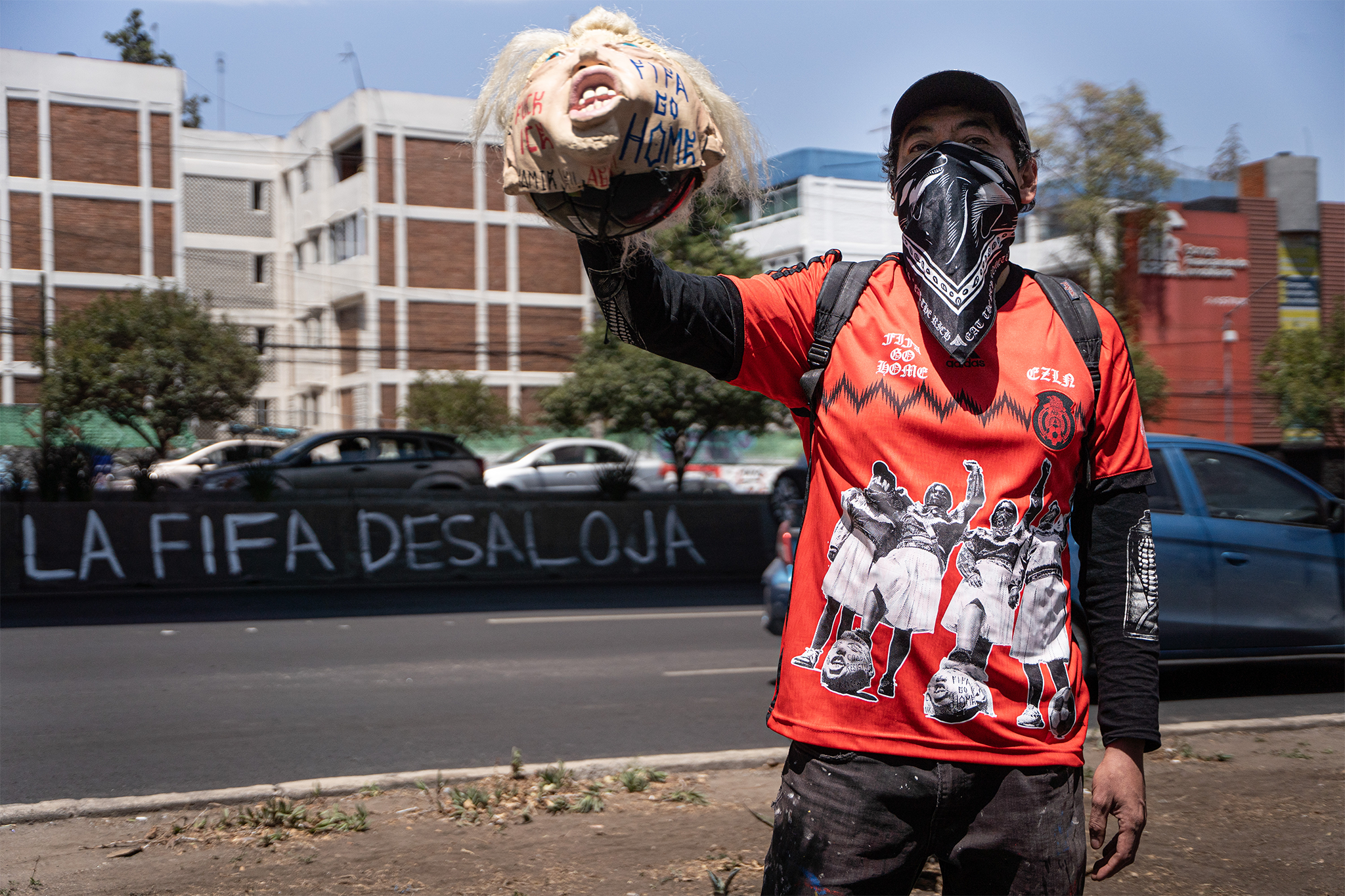
The people who live in those neighborhoods near the Colossus that will host the World Cup three times have begun to notice displacement by people with greater purchasing power, due to increases in rents and housing.
“Yes, I have noticed (an increase in the foreign population) and also the excess of folklore is super present in the towns, there is a kind of makeup in the streets that regardless of whether they look pretty, I think they bruise that form to create a kind of identity in favour of the World Cup, but against the permanence of the towns,” he said.
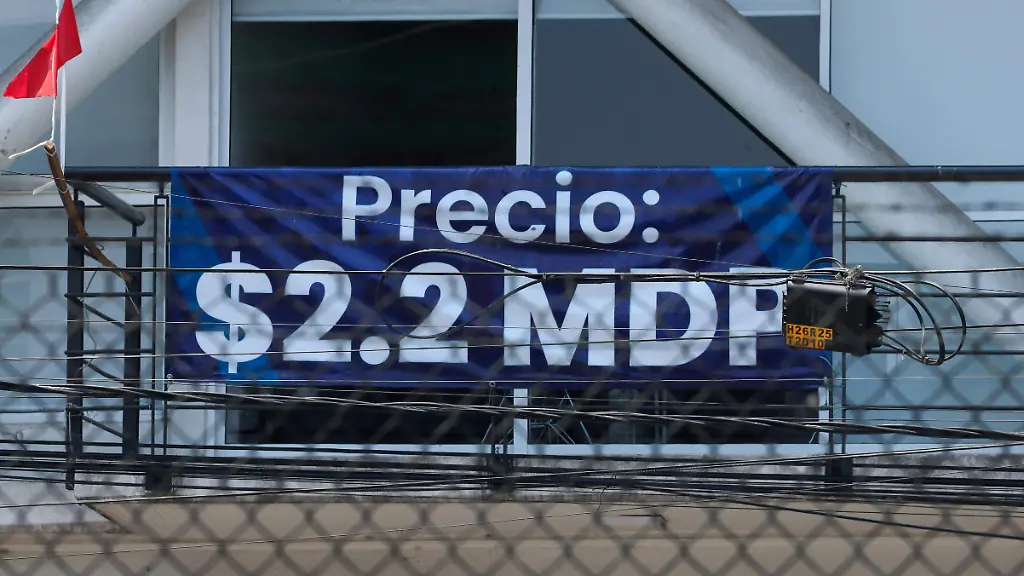
Gentrification drives up property prices. Photo: Sarahí Melecio
What is Gentrification?
The United Nations states that gentrification occurs when “a deteriorated urban neighborhood is gradually transformed into a high-income neighbourhood.” Meanwhile, the study “Gentrification in Low-Income Neighborhoods of Mexico City” indicates that “this process is driven by capital investment in infrastructure renovation and the creation of more attractive public spaces.” However, the text notes that “this renewal process can have negative consequences for the area’s residents, who may be displaced by rising housing and service prices.”
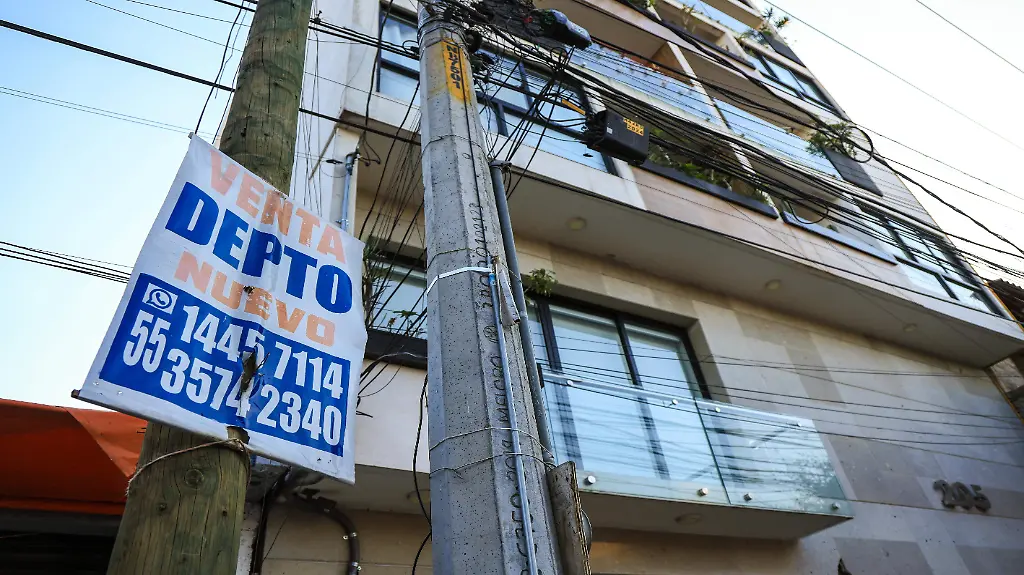
Gentrification displaces families. Photo: Oswaldo Figueroa
According to the study “Gentrification and access to housing in Mexico City between 2000 and 2022”, published by Proceedings of the National Academy of Sciences of the United States, one of the most worrying phenomena in the country’s capital is that around 20,000 families are displaced each year.
“This phenomenon can be attributed to the exorbitant housing prices in Mexico City, which stem from various factors such as gentrification, political movements, and the dynamics of land use,” the research warns.
Buying An Apartment in Mexico City Can Take 80 Years
Gentrification has been a worrying issue for Mexico City residents in the 21st century and could worsen with the construction work in preparation for the World Cup, as people with high purchasing power would arrive to displace those who currently occupy the areas surrounding the Azteca Stadium.
For example, the study “ Gentrification in the Popular Neighborhoods of Mexico City” indicates that in 2005 a family in the capital could buy a 50 square meter apartment in about 20 years, however, by 2020, the amount of time to acquire a property of that size reached 80 years.
The price per square meter in Mexico City has increased up to four times. It currently hovers around 56,000 pesos, whereas two decades ago it ranged between 15,000 and 20,000 pesos.
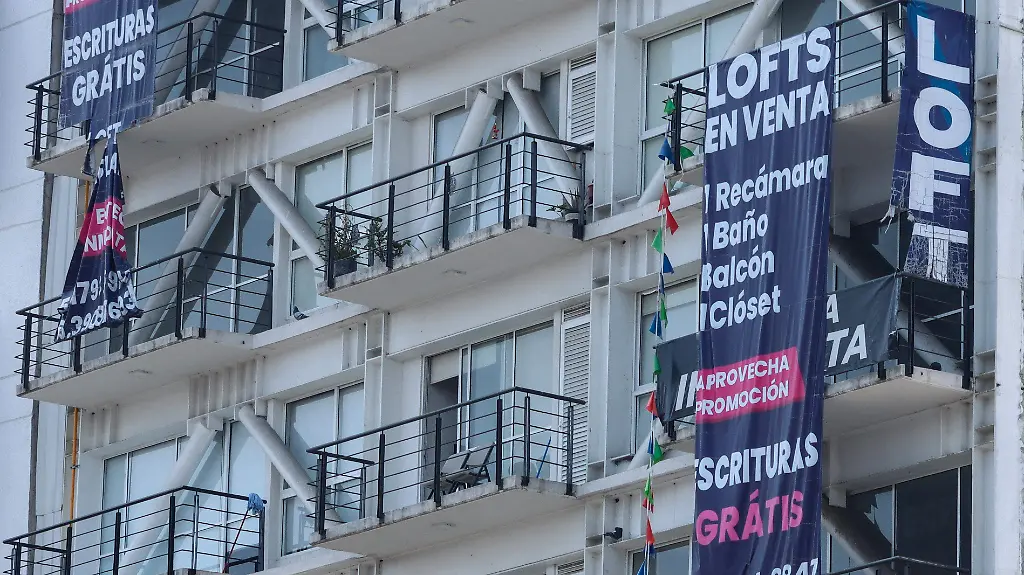
Apartments in Mexico City have increased in value. Photo: Sarahí Melecio
According to the text, only one third of the increase in housing prices is attributable to inflation.
“Mexico City requires the immediate implementation of social housing initiatives that have been neglected since the 1990s, which implies combating corruption and ending the exclusive benefits granted to developers. Without these changes, only the wealthy, high-income class will be able to access housing ,” states the study authored by Daniel Aguilar-Velázquez, Iván Rivera Islas, Guillermo Romero Tecua, and Alfonso Valenzuela-Aguilera.
The World Cup Could Cause Increase in Digital Nomads in Mexico City
During the Covid-19 pandemic, the arrival of digital nomads to Mexico intensified. It is estimated that there are around 90,000 such individuals in our country, and the World Cup could bring even more.
“Digital nomads emerged as a result of the pandemic, which identified certain areas in Mexico as prime locations for living in this way. A similar event could occur during the World Cup, where the global exposure of these cities could attract long-term residents,” explains housing market expert Leonardo González Tejeda.
He adds that “we would expect greater demand for short-term stays on Airbnb, greater demand for traditional short-term rentals, and generally greater demand that would drive prices up in the city.”
Last April 27, Sebastián Colín, Airbnb’s Director of Public Affairs for Mexico, stated that the short-term rental platform would grow during the World Cup.
“We expect to experience the biggest peak in bookings just one month before the World Cup, as we saw in Paris during the Olympics and other events,” said Colin, in a city where there is at least an offer of 26,000 accommodations.
The executive explained that demand will not only be concentrated in traditional tourist corridors, but also in areas near the Azteca Stadium in Mexico City, the city center, and spaces where gatherings of fans are expected, such as the Basilica of Guadalupe.
Gentrification Will Also Affect Commerce
No resident wants their area to be gentrified; however, for Vianey Macías, Head of Market Research at Spot2.mx, a real estate marketplace dedicated to the rental and sale of commercial and industrial properties, gentrification is a process that goes beyond the issue of leasing.
“Gentrification isn’t just happening in housing, but also in the commercial sector. We’re seeing it in very exclusive areas of the city. This is starting to become apparent, especially in areas—moving a bit away from the World Cup—like Polanco, where the businesses are already quite high-end, and some shops, like grocery stores, have been displaced by the prices. They’ve become unaffordable,” she told ESTO.
According to Macías, this phenomenon will not be reflected in the short term in the areas near the Banorte Stadium, which will be renamed Mexico City Stadium during the World Cup, as it will be in the areas with the highest tourist traffic.
“This type of phenomenon will probably become established in other areas, but it also depends a lot on how prices are being handled. I don’t think this type of phenomenon exists in the areas surrounding the World Cup, at least not in the surrounding areas; however, in the most exclusive tourist areas of the city, this is already a phenomenon that is occurring,” she added.
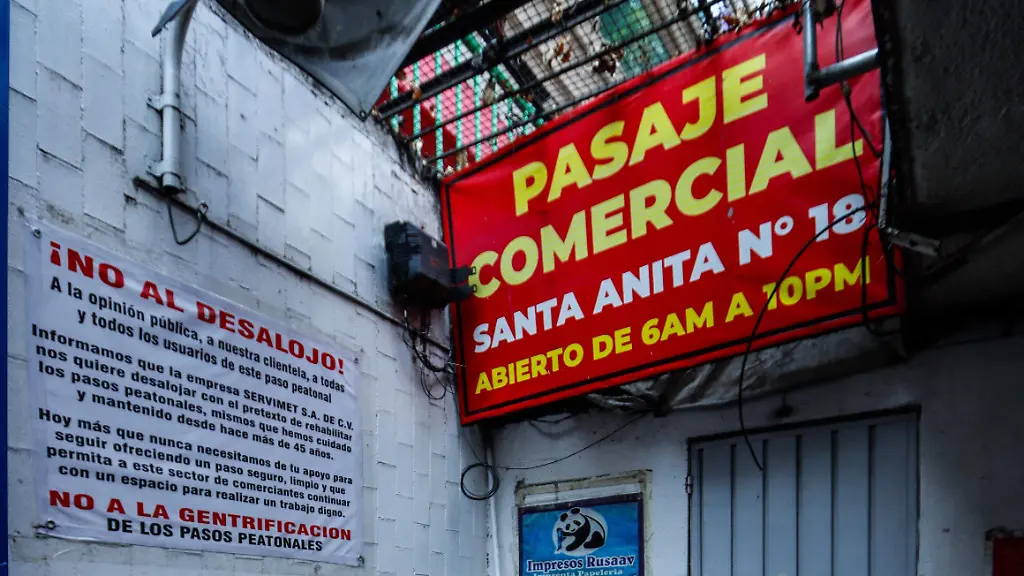
Gentrification affects businesses. Photo: Sarahí Melecio
It is in this aspect that the Marketing Director points out that far from the areas that will make the 2026 World Cup in the Mexican capital emblematic, other points in Mexico City have reached crazy prices, such as the Nuevo Polanco area, which has costs ranging from 14,000 to 26,000 pesos, on platforms dedicated to the rental of properties.
“The phenomenon is occurring mainly in areas like Nuevo Polanco and Granada; we’ve been seeing it for several years now. Another area that ’s changing a lot and experiencing a level of gentrification similar to what the Roma neighbourhood did at one time is Tacubaya, with prices approaching those of areas like Chapultepec, Polanco, or San Miguel Chapultepec,” she remarked.
“This is a phenomenon that is already happening and increasing, especially in commercial and residential areas in Tacubaya, at a fairly rapid pace. Regarding the southern part of Mexico City, I think we could start reviewing the connectivity issues along Calzada de Tlalpan in areas like Portales,” she concluded.
Mexico City Protests Against Gentrification
Aware that if they don’t speak out their neighborhood could become the next one, young people are taking to the streets to fight to prevent gentrification from reaching the areas where they live, with signs that say “My city is not your merchandise” or “Gentrification is not progress, it is dispossession.”
This is how, for several months now, protesters from various parts of Mexico City have gathered at emblematic points alluding to the World Cup to assert their right to free expression, such as the World Cup clock on Paseo de la Reforma, the Mexico City Tourism Secretariat on Avenida Nuevo León, or the Banorte Stadium on Calzada de Tlalpan.
“The gentrification process can be slow, but certain. With the World Cup, we’re seeing an accelerated process, where we’re witnessing many negative impacts on entrepreneurs, people who work honestly to put food on the table, who are being displaced. We’re seeing this right now, with the World Cup in Tlalpan, with the underpasses, with the water issues, with the people living on their properties. In five years, we’ll continue to see this slow but certain process,” says “Luna,” a member of the Anti-Gentrification Front.
While the main focus of the demonstrations is usually to denounce gentrification policies in Mexico City or the lack of water in parts of the town of Santa Úrsula, there are members of the collective who denounce other people who, due to necessity, cannot raise their voices.
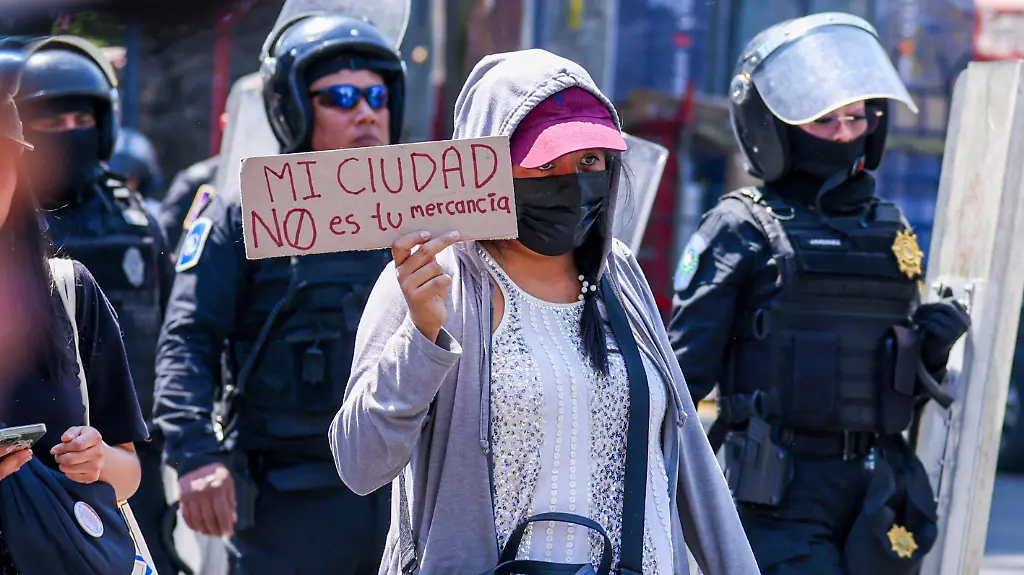
Citizens protest against gentrification. Photo: Lesslie Arredondo
“One of the projects they want to undertake is to evict people from the overpasses, businesses that have been there for years, and if they cared about the infrastructure they would have already done many things, like the metro, which they only built for the World Cup, not because they want to comply with the requirements,” a protester told ESTO.
It is important to note that ESTO learned that authorities have tried to buy the vendors’ exit from the underpasses in exchange for a pension of one thousand pesos every two weeks; however, faced with the uncertainty of not knowing when they would return, the 32 underpasses on the Calzada de Tlalpan decided to join forces and refuse to be evicted.
Laws Against Gentrification Are Being Passed in Mexico City
Paulo Emilio García, local deputy for the Coyoacán district , commented that gentrification and the increase in housing costs in Mexico City must be combated, and that these costs have increased in recent months as the FIFA World Cup approaches.
To put a stop to this situation, Clara Brugada, head of government of the capital, presented to the Congress of Mexico City a constitutional reform known as the “Law of Fair, Reasonable and Affordable Rents”.
The measure is already being analyzed by members of Congress who are also working alongside other measures to prevent the cost from growing to amounts that are difficult to pay. “We share the objectives with those who have raised the need to combat gentrification, to combat the increase in the cost of living.”
“There were protests about gentrification. How did the city respond? It implemented Decree 1, which is a set of measures and policies designed to curb the rising cost of living and make it affordable to live in this city,” the official said.
According to the Mexican Association of Real Estate Professionals (AMPI), the demand for rentals in the capital has increased by up to 155% and it is expected that the increase in rent will be between 15% and 20%.
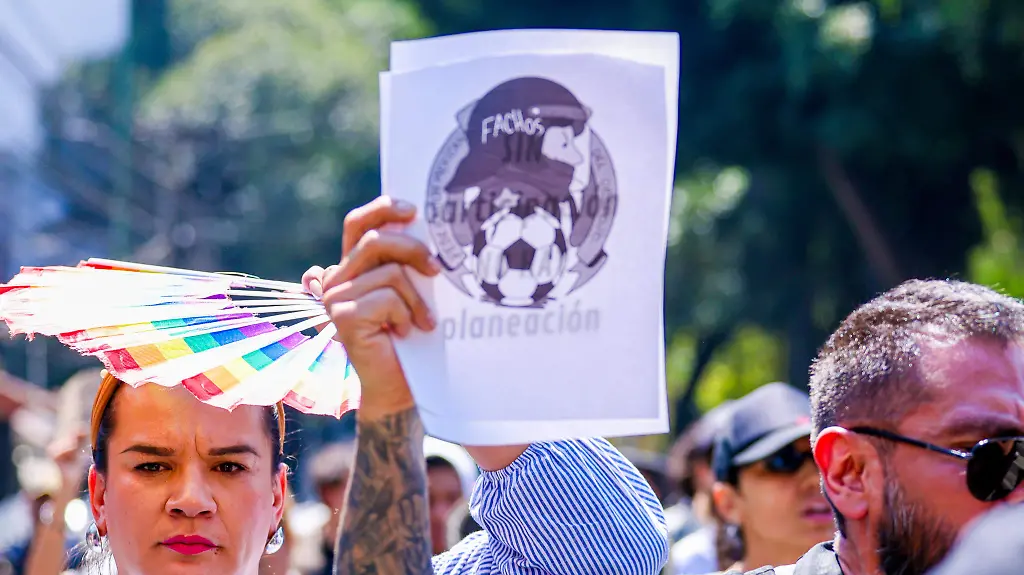
Mexico City seeks to regulate gentrification Photo: Lesslie Arredondo
“Part of the measures is the ‘Fair, Affordable and Reasonable Rents Act’ which aims to ensure that living in the city is not unaffordable , and that, as research from different universities shows every year, 1,000 people are not forced out because they can no longer afford to live in our city. That is what we are trying to combat with several measures that make up part 1.”
AMPI revealed that the increase in housing costs for the World Cup will be concentrated mainly in the short-term rental market (Airbnb) and in the hotel industry; however, the local Congress wants to prevent the high costs from continuing or increasing even after the international event.
“The point is that this shouldn’t affect the public. Economic theory would tell you that costs could indeed decrease after the World Cup, unlike any event that has a seasonal characteristic, that is, when they meet certain characteristics, at a very specific moment, a certain time, and once that event passes, those characteristics disappear; it would have to stop increasing.”
“We’ve been monitoring the situation to see what’s happening and what can be done. Obviously, with an event of this magnitude during the World Cup, we may see some price increases. Beyond these days, which will be very important for the city because of the World Cup, the law we’re developing and designing is intended to last into the future, so that future generations can have a more affordable city,” he concluded.
The Fair Rents Law
Daniela Sánchez, coordinator of the Housing Rights Legal Clinic at the Ibero-American University, acknowledged that the 2026 World Cup has put pressure on the price of renting houses or apartments in the Mexican capital and that the ‘Law of Fair, Reasonable and Affordable Rents’ presented by Clara Brugada, head of government of Mexico City, before the local Congress, is not enough to stop said increase.
She pointed out that, while the initiative may mitigate it, other measures must be implemented to curb it and prevent life in the capital from becoming more complicated.
“Good steps are being taken to help the population have accessible and affordable housing, to mitigate or contain the housing problems we currently have in the city, but these small steps have to be accompanied by many other public policy efforts,” she said.
“The law itself won’t solve social problems, the real problems we all face every day. We also need to ensure the law is implemented and enforced effectively. In this sense, the law and the initiatives presented are good first steps, and they are also measures that have been successfully applied in other countries.”
She acknowledged that rental prices are unlikely to decrease after the World Cup, and therefore, he pointed out, it is necessary to implement measures to prevent the increase that could occur as the tournament’s start date approaches.
“I think prices are going to stay high, just as we’re experiencing right now, and they might even increase. I don’t think they’ll go down because of all the investment that’s been made, and also because we now have transportation where there wasn’t any before, plus there are renovated public spaces, and that increases the value of properties.”
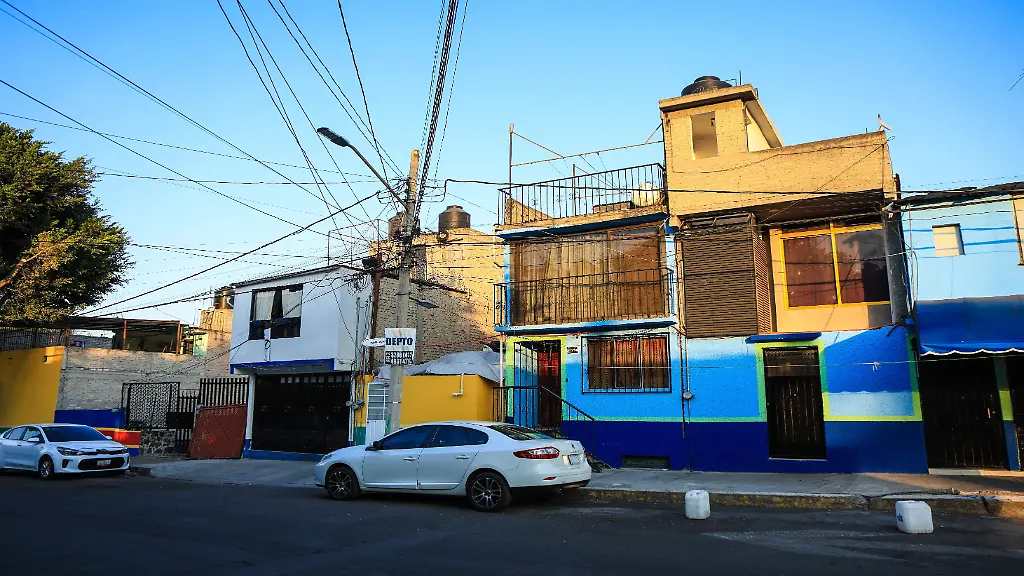
Rents have spiraled out of control due to gentrification. Photo: Oswaldo Figueroa
She recalled that in other cities where international events were held, a similar situation to the one currently being experienced in Mexico occurred, and added that the Law that is in the Congress of the Union regarding rents must be well implemented in order to work.
“Contracts must be monitored and reviewed so that any tenant has the opportunity to report to the appropriate authority if their landlord is raising the rent beyond the established limit. There must be legal consequences for those who abuse the system and violate the law.”
“Currently, we already have this measure in the Civil Code, and what we are doing now is elevating it to the Constitutional level. We also need a mechanism that truly guarantees its implementation. It’s not enough to simply state it in the Constitution; we must create these measures and mechanisms so that people can report disproportionate rent increases or expose unfair practices in rental agreements, and so that there are consequences for those who violate these regulations. We are on the right track, but this isn’t all that needs to be done; much more needs to be done.”
-
People’s Mañanera May 28
May 28, 2026May 28, 2026
President Sheinbaum’s daily press conference, with comments on pharmaceutical investments, FDI, CIA freewheelin’ in Mexico, definitely not a colony and May 31 Presidential address.
-
The World Cup of Gentrification
May 28, 2026May 28, 2026
Publicly-subsidized, privately profitable: FIFA’s grotesque spectacle of graft, corruption & recreational consumption for ultra-wealthy parasites threatens the livelihoods and wellbeing of Mexico City residents.
-
Lawfirm Linked to PAN & American Asset Management Firm Grey Catalyst Promoting US Interference in Mexico
May 28, 2026May 28, 2026
The LLM-saturated León Barrena Rodríguez & Partners account spreads rumours & innuendo via its X account.
The post The World Cup of Gentrification appeared first on Mexico Solidarity Media.
From Mexico Solidarity Media via This RSS Feed.