

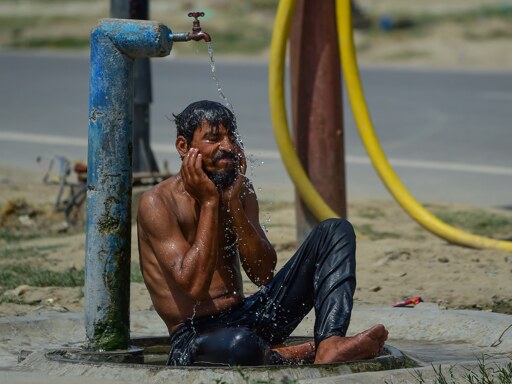

UK temperatures this week have hit 34.8℃ – by far the highest ever recorded in May. Whilst this made for an enjoyable bank holiday for some, the way we talk about heatwaves often misses the true extent of the danger and who is most at risk from it. As climate impacts intensify, we remain unprepared for the extreme heat that lies ahead.
Heat warnings
Europe is heating up particularly fast as the climate crisis accelerates. Temperatures here are rising more than twice as quickly as the global average. And whilst the overall temperature increases may look small, they have a massive impact on how often and how severely we experience extreme heat.
A stable climate is now a thing of the past, and this month’s erratic UK weather is an example of how this can play out: May started off warmer than average, experienced a cool period, then launched into the record-obliterating heatwave we are now witnessing.
The impacts of heatwaves across this continent are already devastating, with over 60,000 heat-related deaths estimated in 2024 and severe impacts on our ability to grow food.
Professor Hannah Cloke of the University of Reading explains why the current unseasonable heat is so dangerous to food production:
A prolonged spell of heat and dry weather at this stage of the growing season brings real concern. Many crops are at a critical point of development and sustained high temperatures, combined with a lack of rainfall, can cause stress, reduce yields and in some cases cause irreversible damage.
This can be disastrous for farmers, and filters through to all of us through food shortages and price inflation: climate impacts are already thought to be the biggest driver of rising food bills in the UK.
Extreme heat and injustice
Most of us will have experienced the unpleasant effects of dehydration, exhaustion or irritability when we have been unable to – or have chosen not to – avoid the heat. But for many in the UK, the impacts go far beyond discomfort. Health conditions and disabilities make people significantly more vulnerable.
Both mental and physical health factor here, as psychiatric registrar Dr Amelia Cussans told me:
Extreme heat impacts upon both the body and the mind. People living with mental health conditions often experience worsening symptoms during heatwaves. Many people will also experience a worsening of side effects from their psychiatric medications, which in turn interferes with the body’s ability to regulate temperature.
The effects can be extremely serious, as Dr Cussans explains:
This makes everyday coping much harder. During heat waves, A&Es see a spike in mental health-related admissions. Sadly, there is also a documented rise in suicides.
Whether it’s because your home isn’t built to deal with the heat or you have little choice but to work in sweltering conditions, extreme heat disproportionately harms people with the least access to cool spaces. Hence heatwaves both expose and deepen inequalities in wealth and power.
The global injustice is stark, with the most catastrophic heat impacts hitting the countries least responsible for driving them. For anyone recuperating from heatstroke or disrupted sleep after the bank holiday, it might be especially sobering to imagine how the blistering 50℃ heatwaves across West Africa and the Indian subcontinent must feel.
Connecting the dots
The enormity of the threats posed by heatwaves is not reflected in how we generally talk about them. Media coverage rarely references how much worse they’ll become, how poorly prepared the UK is, nor the inequalities at play. Even where health risks and climate warnings are part of the story, images of happy people flocking to the beach (or of dogs wearing sunglasses) can undermine these messages.
We need a media, and a wider culture, that connects the dots. For as long as we focus on simply reporting – or even enjoying – heatwaves without putting them in the context of climate breakdown, we can only expect them to become even more frequent, even more deadly and even more unfair.
Featured image via Ritesh Shukla/Getty Images
By Abi Perrin
From Canary via This RSS Feed.