

Photo: Curtis Parypa / The Narwhal
Summary
- In March 2026, the Doug Ford government formally replaced Ontario’s Endangered Species Act with weaker legislation that removes protections for some species and narrows protections for others.
- Documents obtained by The Narwhal reveal the dissent and concern raised by provincial staff, municipalities and Indigenous groups during consultations on the change.
- A major concern raised about the legislation is that many project proposals will no longer be posted for public comment, limiting public participation.
As the Doug Ford government prepared to replace the Endangered Species Act with new legislation, the province’s natural resources staff warned of weakened habitat protections, reduced oversight and new gaps in enforcement, according to documents obtained by The Narwhal.
In March 2026, the Endangered Species Act was officially replaced with the Species Conservation Act, which removes or limits provincial protection from many threatened plants and animals.
Now, 275 pages of records, some publicly available and others only accessed through freedom of information legislation, show provincial bureaucrats worrying about the implications of the changes, as well as municipalities and Indigenous groups voicing dissent — before the government passed the law anyway.
The new act allows most projects, whether related to housing, mining or other industries, to begin as soon as proponents register online, in place of an expert review of permit applications. This approach “may weaken oversight and accountability, as self-regulation can be variable and potentially unreliable,” reads November 2025 feedback from the fish and wildlife policy branch of Ontario’s Ministry of Natural Resources to the provincial Ministry of the Environment, which is primarily responsible for species at risk. “Proponents may also misinterpret or manipulate rules and regulations.”
“I truly believe you have very dedicated individuals with expertise in this field … but their expertise and their knowledge is not being respected.”
Kerrie Blaise, lawyer with Legal Advocates for Nature’s Defence
The natural resources ministry also raised concerns that the Species Conservation Act exempted a number of development actions from the second section of the Environmental Bill of Rights, which requires applications to do work that could potentially harm wildlife to be publicly posted on the provincial environmental registry. Without this, the chance for public review and comment is eliminated.
“The [Environmental Bill of Rights] was created to ensure that the people of Ontario have the ability to participate in decision-making processes,” reads the same feedback sent via email from the Ministry of Natural Resources. “Suggest being cautious if exempting [Species Conservation Act] permits and orders … as this may be seen as a way to avoid transparency, accountability and undermine public trust.”
Neither the Ministry of Natural Resources nor the Ministry of the Environment responded to The Narwhal’s detailed questions about this feedback by publication time.
In April, in response to questions from The Narwhal at a press conference, Premier Doug Ford said such changes are needed to clear the way for industry and development in the province.
“As I’ve said, we aren’t going to hold up Highway 413, the Bradford Bypass, over a grasshopper — not happening,” Ford said of two highway projects set to cut through the protected Greenbelt and farmland. “We have a mandate to build. We’re going to build, and we’re going to respect the environment at all costs.”
Thousands of public comments about endangered species protections were also ignored: lawyer
Kerrie Blaise, a lawyer with the northern Ontario environmental non-profit Legal Advocates for Nature’s Defence, said these issues remained as the final legislation was passed, despite concerns being raised ahead of time.
That includes dropping the requirement for some permits for projects that could harm species being publicly posted.
“It’s a very sweeping exemption,” Blaise said. “It means we won’t know the name of the companies. We won’t know where it’s happening … the basic details: when, where, how much, what’s the harm? All of those details will be lacking.”
Blaise also registered her dissent before the new act passed. She told The Narwhal that Legal Advocates for Nature’s Defence sent more than 6,500 signed form letters asking the province to reconsider — even repeal — Bill 5, which proposed killing the old act and passing the new one. The organization is now representing two Indigenous interveners challenging the constitutionality of the bill in court.
Blaise said it was “really great to hear” that natural resources staff spoke up. “I truly believe you have very dedicated individuals with expertise in this field … but their expertise and their knowledge is not being respected,” she said.
“There are those with knowledge who can actually guide the government in a good way, and it’s really chilling when those individuals and departments within [the government] are themselves not being listened to.”
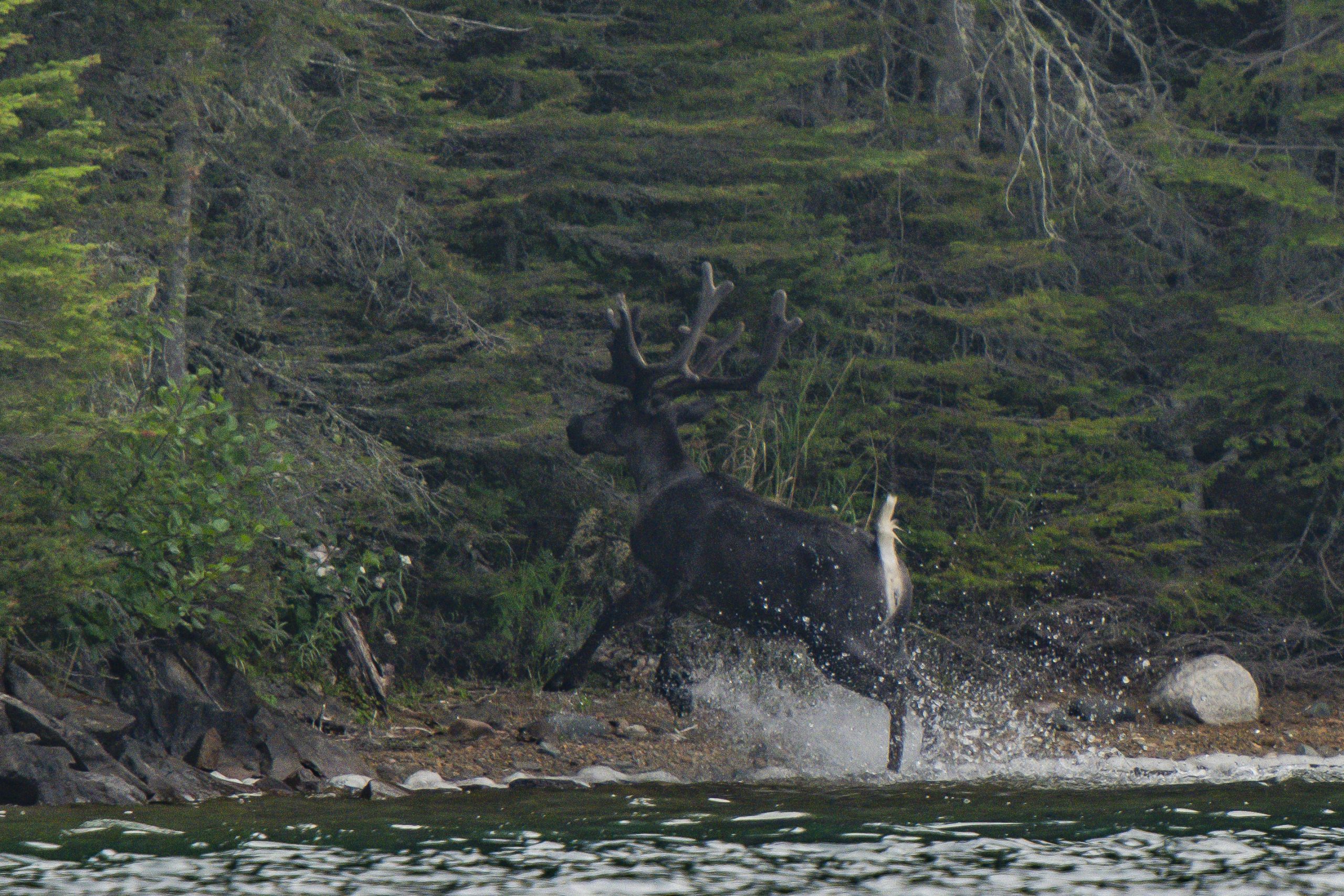
Woodland caribou are endangered in Ontario and changes brought in under Bill 5 replaced the Endangered Species Act, limiting how their habitat is protected. Photo: Christopher Katsarov Luna / The Narwhal
Blaise added she sees nothing in the final legislation showing that the province addressed the concerns raised by staff or those contained in thousands of public comments.
“If the province was actually looking to respect … what the public was actually saying, we would have a very differently worded Species Conservation Act,” Blaise said.
In the documents, Ministry of Natural Resources staff also warned that excluding federally protected species from provincial protections “could create regulatory gaps and inconsistencies.” This, too, echoes concerns from environmental groups.
The province has argued a number of species — including the redside dace, a minnow that became central to concerns over Ontario’s Highway 413 development — are already protected under federal laws.
The federal government can extend emergency protections to provincial lands, but rarely does so. And in many cases, federal protection only extends to individual species under the federal Species At Risk Act and their dwelling places on federal lands, such as national parks or First Nations reserves. These spaces make up less than five per cent of the range of most terrestrial at-risk species, whose wider habitat in Ontario is now vulnerable.
The documents show this concern was voiced by Steve Ganesh, commissioner of planning, building and growth management for the City of Brampton. He wrote to the province that, “By limiting ‘habitat’ to a species’ dwelling place and its immediate surrounding area, important areas may no longer be protected that are crucial for foraging, dispersal, migration and climate resilience.”
“This change could leave locally significant and rare populations unprotected and reduce the scientific basis for municipal planning, restoration and mitigation efforts.”
“Our review of these proposed regulations reveals no credible or equivalent process that could substitute for meaningful engagement on measures that directly affect our Treaty Rights.”
Aaron Detlor, delegate from the Haudenosaunee Development Institute
One species of particular concern is caribou, according to Allie Mayberry, a wildlife co-ordinator working with the sustainable development department of Biigtigong Nishnaabeg, a First Nation on the north shore of Lake Superior. Whittling protected species habitat down so severely provides little protection for an already threatened species that relies on large swaths of interconnected habitat to survive, she told The Narwhal.
“There’s a lack of clarity around how caribou habitat is going to be protected moving forward,” Mayberry said. “We’re already working with a baseline of a very disturbed habitat, and now through the new [Species Conservation Act] there’s much less of an imperative to protect what habitat there is left.”
Docs show Treaty Rights and loss of protection for threatened species were a concern
Other municipalities and First Nations had concerns about the legislation change, the documents show.
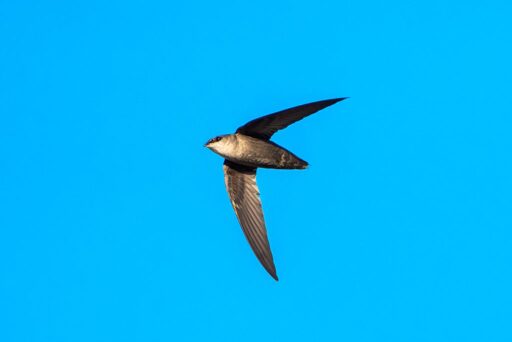
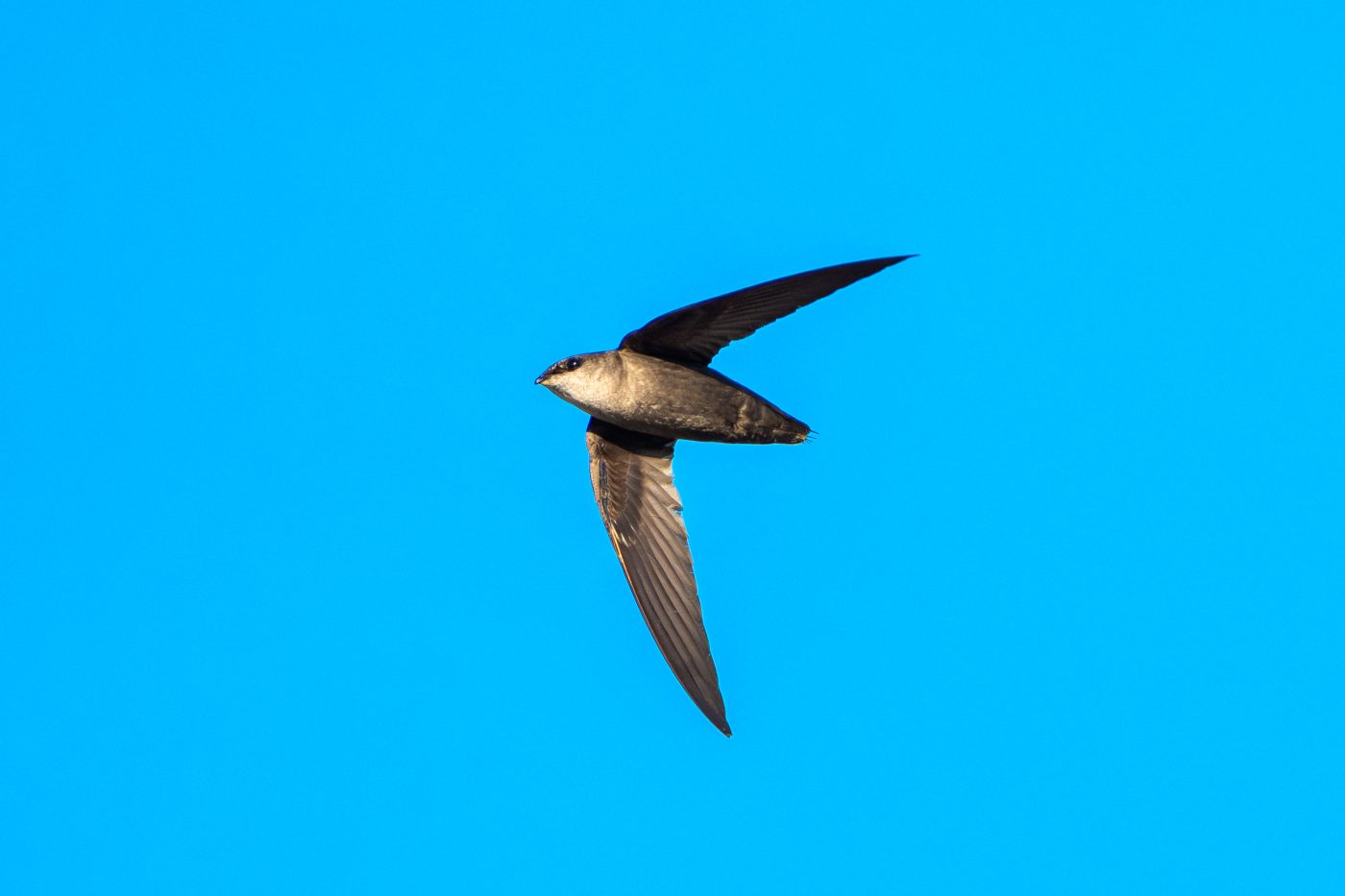
A letter from the City of London, sent before the new act’s passage, argued the now-official Protected Species in Ontario List would remove protections for 106 species. “These changes undermine the municipality’s capacity to protect species that are rare, threatened or endangered within the city,” the letter reads, naming 20 species in London’s boundaries that have been removed from protection, along with their habitats. They include the chimney swift, eastern musk turtle and wood thrush.
The documents show Indigenous groups also argued the new legislation disrespects not just the environment, but their Treaty Rights.
The Species Conservation Act was set to “fundamentally alter how the Haudenosaunee exercise rights guaranteed under the 1701 Nanfan Treaty,” reads a comment from Aaron Detlor, a delegate from the Haudenosaunee Development Institute, which represents the interests of the Haudenosaunee Confederacy Chiefs Council in the development of lands within Haudenosaunee jurisdiction. “These regulations restrict the free and undisturbed use of our territories that are foundational to Haudenosaunee sovereignty and self-determination.”
“Our review of these proposed regulations reveals no credible or equivalent process that could substitute for meaningful engagement on measures that directly affect our Treaty Rights. We see no mechanism by which the Haudenosaunee will have a meaningful opportunity to participate in decisions affecting species protection and our inherent right to exercise hunting and harvesting rights on our territory,” Detlor wrote.
At the April press conference, The Narwhal asked Ford how he would respond to government experts saying the changes could create serious gaps in protection for species at risk. “That’s a priority to make sure we protect all species at risk,” Ford replied. “There’ll always be consultation.”
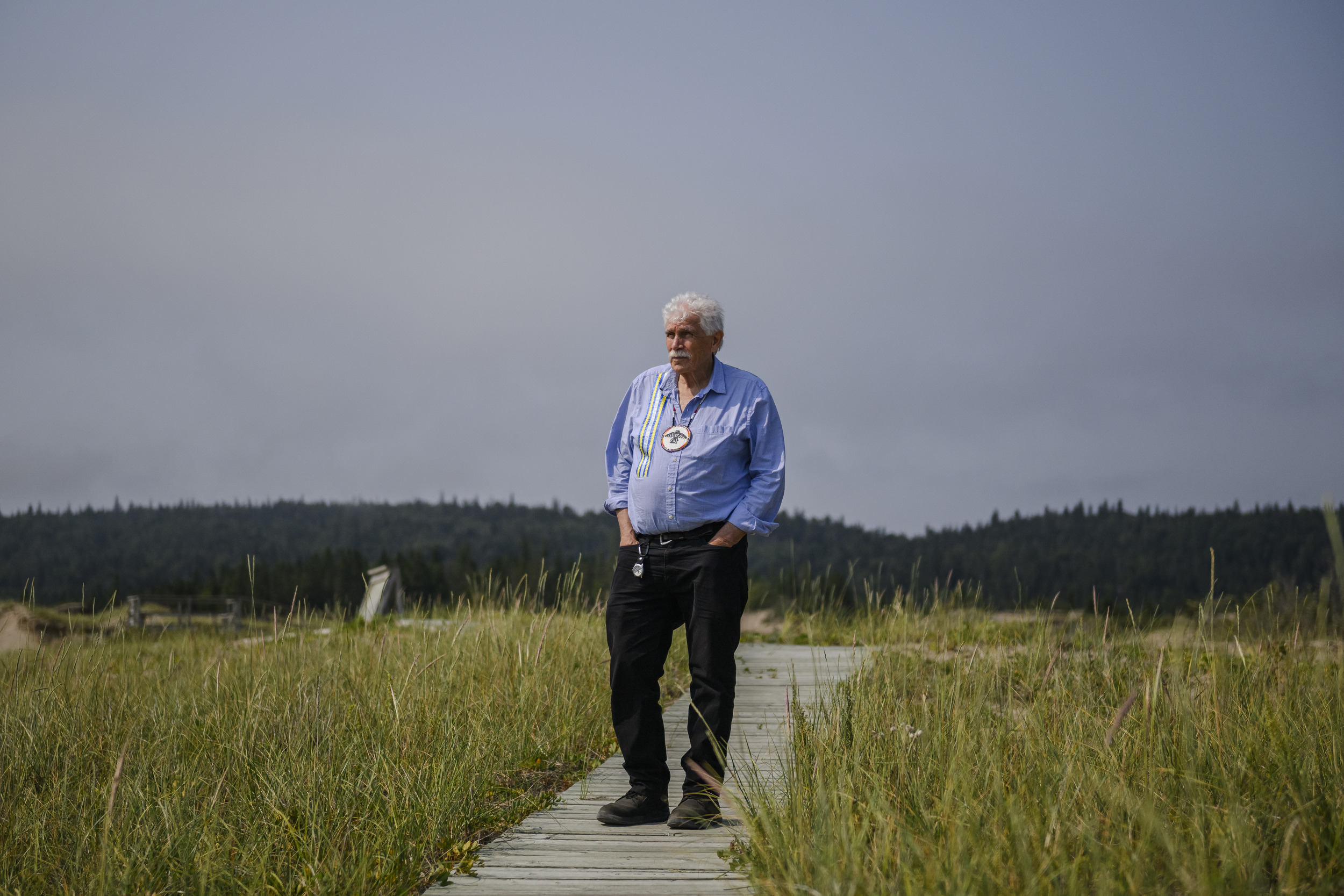
In public comments, Biigtigong Nishnaabeg Chief Duncan Michano called Ontario’s Bill 5 a “direct violation of the Government of Ontario’s obligations to uphold the honour of the Crown.” Photo: Christopher Katsarov Luna / The Narwhal
Chief Duncan Michano of Biigtigong Nishnaabeg noted in a comment about Bill 5 on the Environmental Registry of Ontario that the new act failed to respect First Nations’ constitutional rights, arguing the legislation “fundamentally weakens environmental and cultural protections and reduces consultation requirements,” calling it a “direct violation of the Government of Ontario’s obligations to uphold the honour of the Crown.”
“The consultation process [on Bill 5 and the Species Conservation Act] has been extremely flawed all along,” Mayberry, Biigtigong Nishnaabeg’s wildlife co-ordinator, said. “We’ve participated in a number of different ways and what we’ve been met with is not a two way dialogue in an attempt to hear and meaningfully address any concerns.”
Mayberry said consultation has “all just been a box-ticking exercise wherein Ontario continues to double down on their preferred approach, and they get the benefit of saying, ‘Well, we spoke to First Nations about this.’ ”
“We’ve taken a piece of legislation that was once considered the gold standard for species at risk protection and recovery in Canada, and now we have just whittled it down to a point that it’s barely even a species protection act anymore,” Mayberry said. “I’m not at all surprised to hear that there’s even concerns internally about this.”
The Narwhal’s reporters are telling environment stories you won’t read about anywhere else. Stay in the loop by signing up for our free weekly dose of independent journalism.
From The Narwhal | News on Climate Change, Environmental Issues in Canada via This RSS Feed.