

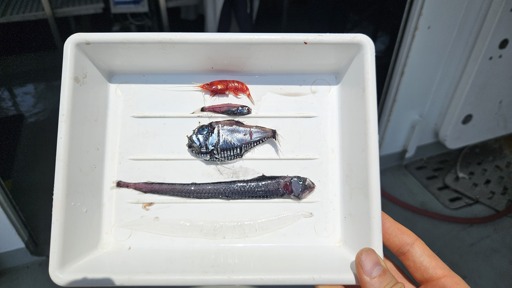
COLOMBO – Sri Lanka’s marine research efforts have benefited in a rare instance where geopolitical unrest owing to the ongoing conflict in West Asia created an unexpected scientific opportunity. A United Nations-flagged Norwegian research vessel Fridtjof Nansen was redirected to Sri Lankan waters after security concerns forced the cancellation of a planned survey in Oman, giving the country a second chance to conduct a long-awaited study of its marine ecosystems and fishery resources. The Norwegian research vessel was originally scheduled to carry out a marine survey in the Sri Lankan waters last year as part of its planned scientific program. However, delays in granting national approvals meant the expedition could not proceed as intended. The vessel canceled the Sri Lanka leg of the voyage scheduled for 2025, an important opportunity lost in marine research efforts. The Nansen Program is a long-running international marine research initiative led by the Food and Agriculture Organization FAO) of the United Nations in partnership with Norway. Established in 1975, it operates through the research vessel Dr Fridtjof Nansen, named after Norwegian explorer, scientist and humanitarian Fridtjof Nansen who won the Nobel Peace Prize in 1922 for his extraordinary humanitarian work during the First World War. This longheaded eagle ray (Aetobatus flagellum) was caught by a sampling net. Image courtesy of Cruising with Dr. Fridtjof Nansen Facebook group. The Nansen missions survey marine ecosystems in developing countries to support sustainable fisheries management combining oceanographic research, fisheries stock assessment, and ecosystem monitoring while building scientific capacity in…This article was originally published on Mongabay
From Conservation news via This RSS Feed.