


Global football is moving toward a new phase of organisational debate, as the proposal to expand the 2030 World Cup to 64 teams has resurfaced in discussions within the FIFA, a development that reflects a broadening scope of thinking about the future of the world’s most-watched tournament.
According to AS newspaper, the idea, which originated as a proposal from the South American Football Confederation (CONMEBOL), is no longer a fleeting suggestion, but has transformed into a file under discussion within some decision-making circles at FIFA, amidst growing support from parties who believe the World Cup should move toward a more inclusive and expansive model.
This shift comes at a sensitive time, as the first expanded 48-team edition of the World Cup in 2026 has not yet begun, making the discussion about the new expansion a proactive step that reflects a remarkable acceleration in redrawing the shape of the tournament.
Greater inclusivity and a new philosophy driven by FIFA
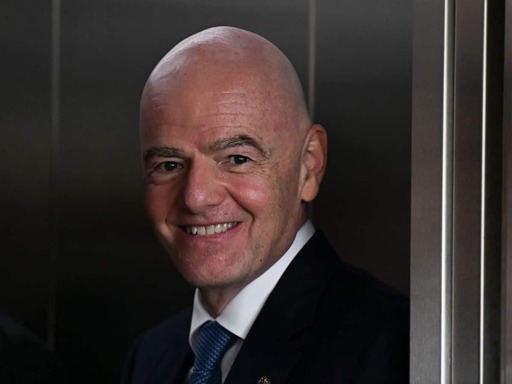
The newspaper confirms in its report that this trend resonates within the general vision of the International Federation of Association Football, led by its president, Gianni Infantino, who constantly puts forward the idea that the World Cup is not exclusive to traditional powers, but a global platform that should provide an opportunity for the largest possible number of nations.
This philosophy is based on the gradual shift in the landscape of rising national teams, with teams such as Jordan, Uzbekistan, Cape Verde, and Curaçao getting closer to participating in the 2026 World Cup, which is read within FIFA as evidence of the expanding global competition base.
In this context, the idea of 64 teams seems like a natural extension of the desire to transform the tournament into a more “open” space, even if this comes at the expense of some traditional balances in the quality of competition.
World Cup 2030 — the centennial edition
The 2030 edition carries an exceptional character as it celebrates 100 years since the start of the first World Cup in history. Hosting duties are shared by Spain, Morocco, and Portugal, alongside symbolic matches in Argentina, Uruguay, and Paraguay, in a geographically and organizationally unprecedented format.
However, this great ambition collides with clear practical challenges, most notably infrastructure and the pressure of the international calendar, in addition to renewed controversy within Spain regarding the readiness of some host cities.
Although the official structure of the tournament is still based on 48 teams, the report indicates that FIFA has not yet entered the final decision-making phase regarding organizational details, leaving the door open for adjustments that could completely reconfigure the shape of the tournament.
The ‘AS’ newspaper believes that what was viewed years ago as an exaggerated or impractical idea is now part of a realistic discussion within decision-making offices, a clear indication that the next World Cup may not only be a celebration of the centenary but a turning point in the history of the tournament itself.
Featured image via Ton Molina/Getty Images
By Alaa Shamali
From Canary via This RSS Feed.