

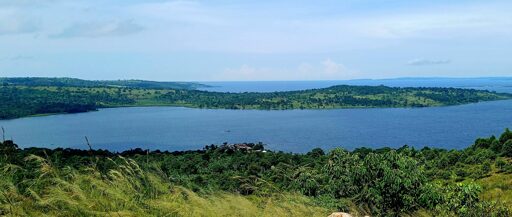
On May 21, residents of Sakwa, in southeastern Kenya, gathered to protest the government’s plan to install a nuclear power plant near their homes, along Lake Victoria. Sakwa, in Siaya County, is home to the Luo tribe and lies along the shores of Africa’s largest freshwater lake, which Kenya shares with Uganda and Tanzania. In late March 2026 during the International Conference on Nuclear Energy, Kenyan President William Ruto announced the construction of a 2,000-megawatt nuclear power plant in the area. There is currently no information about the plan available on the national Nuclear Power and Energy Agency (NuPEA) website. However, Ruto said construction would begin next year, and the plant is expected to start producing electricity by 2034. “No country in the world has ever achieved its development ambitions without adequate and reliable energy,” Ruto said. He also stressed nuclear energy is considered by the United Nations to be a low-carbon source of energy and integral to the 2030 Agenda for Sustainable Development. “The integration of nuclear energy into our national grid therefore represents a strategic transition towards securing a stable long-term solution for Kenya’s rising electricity demand,” he said. In his speech, Ruto said he had already consulted residents of Siaya County and suggested that local communities supported the project. However, the recent protest indicates the reality on the ground is quite different. Additionally, a petition against the project launched in April gathered more than 400 signatures before being submitted to NuPEA and the county governor. Mongabay reviewed…This article was originally published on Mongabay
From Conservation news via This RSS Feed.