

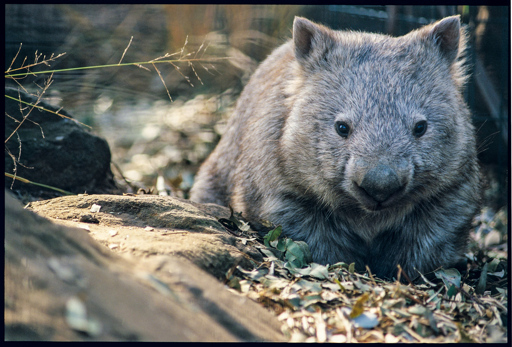
SYDNEY, Australia. At dusk on the edge of the bush in Australia’s Heathcote National Park, a spotted-tailed quoll lowers its tawny head to the ground, pink nose twitching. The dense forest, the scent of damp earth and eucalyptus leaf litter gives way, abruptly, to heat and a chemical tang. Ahead: open space. Noise. Light. A car zooms past, loud and fast. It doesn’t slow down. None of the vehicles do. It’s unlikely any driver going 110 kilometers per hour (68 miles per hour) would notice the brown, cat-sized quoll, camouflaged with white spots that beautifully blend into its native bush home. Forty thousand vehicles a day move along this stretch of the M1 Princes Motorway — four lanes of fast-moving traffic that slice between Heathcote National Park on one side and Royal National Park on the other. This is the primary route from Sydney to industrial centers in the southern part of the state of New South Wales, and there’s heavy truck traffic. The quoll (Dasyurus maculatus) waits at the highway’s edge for a break that doesn’t come. Headlights streak. Engines roar. The air pulses with pressure and speed. Crossing here isn’t just dangerous — it’s nearly impossible. The highway might as well be a canyon. And yet, on the other side of the road lies something essential: new territory that includes more of the bird eggs and the rabbits that quolls eat, and mates with more varied DNA, both essential for long-term survival. For decades, quolls, wallabies, deer, koalas…This article was originally published on Mongabay
From Conservation news via This RSS Feed.