

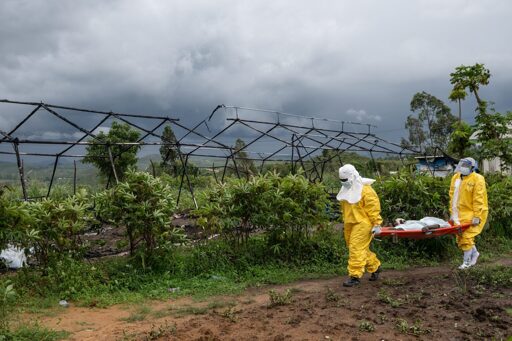
The Ebola hemorrhagic fever virus outbreak that began in the Democratic Republic of the Congo was officially confirmed by the World Health Organization (WHO) on May 15. Less than a week later, the death toll is rising with at least 600 suspected cases and 139 suspected deaths linked to the disease, as well as 51 laboratory-confirmed cases, WHO has reported. The confirmed figures differ from the suspected cases because samples must be analyzed in Kinshasa, around 1,700 kilometers (1,050 miles) by plane from the outbreak area in Ituri province, before cases can be officially confirmed. In addition, the initial symptoms of the virus are very similar to those of malaria, a disease that is widespread in the region. “We expect those numbers to keep increasing given the amount of time the virus was circulating before the outbreak was detected,” WHO Director-General Tedros Adhanom Ghebreyesus told reporters in Geneva. “I have decided that urgent action is needed to prevent further deaths and to mobilize an effective international response.” He also noted the scale of the outbreak could in fact be “much larger” than current estimates, as the epidemic likely began “a couple of months ago.” Faced with the growing number of cases and its international spread, the WHO declared a public health emergency of international concern on May 17, 2026. The disease, which emerged in rural Ituri province in eastern DRC, now appears to have spread to major cities including Kinshasa and Kampala, the capital of Uganda, as well as Goma,…This article was originally published on Mongabay
From Conservation news via This RSS Feed.