

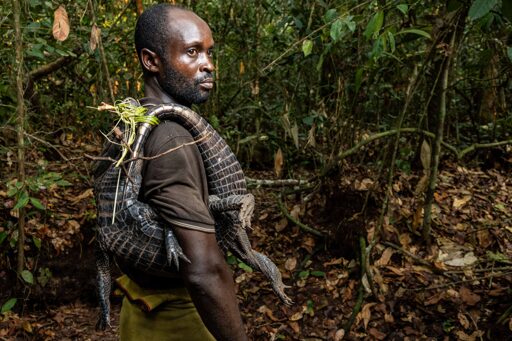
A new study has shed light on the scale of wild meat consumption across Central Africa. According to research led by CIFOR-ICRAF, a roughly 50% increase in the amount of wild meat being consumed is driven largely by growing demand from rapidly expanding urban populations. Published in the journal Nature, the study analyzed data from more than 12,000 households across 252 locations in Cameroon, the Central African Republic, the Democratic Republic of the Congo, Equatorial Guinea, Gabon and the Republic of the Congo between 2000 and 2022. Meat from wild animals continues to serve as a primary source of food for millions of people in the region, particularly traditional hunter-gatherers. According to the study, population growth in Central Africa — from 25 million to 140 million people — has sharply increased demand for both food and income, placing additional pressure on wildlife populations. The study determined 31% of mammals, birds, reptiles and amphibians in the region are currently at risk of extinction. Researchers found annual wild meat consumption rose from about 730,000 tons in 2000 to 1.1 million tons in 2022. “Wild meat is a fundamental component of diets of rural populations, accounting for 20% of the recommended daily protein intake,” the study noted. The report concluded that ensuring the availability of wild meat in rural areas will require reducing its consumption in large urban centers. The study was co-authored by several researchers affiliated with the Wildlife Conservation Society (WCS). In a press statement obtained by Mongabay, Germain Mavah of…This article was originally published on Mongabay
From Conservation news via This RSS Feed.