

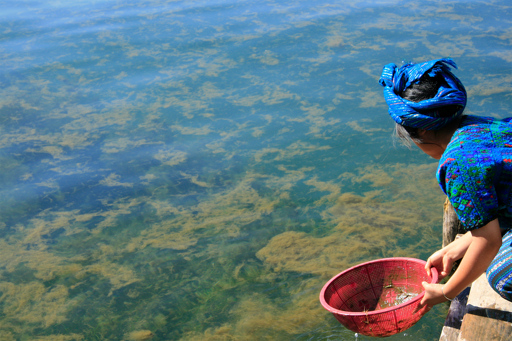
Mangrove forests could help sequester more than five million metric tons of nitrogen pollution from coastal ecosystems across the Earth if they are restored and protected, a recent study found. Nitrogen pollution typically comes from synthetic fertilizers largely used in agriculture or from human waste seeping into water sources. Nitrogen is an essential nutrient for life, but in excess it fuels algal blooms, leaving water murky and with a foul smell. In the worst cases, the death of the algal blooms can starve ecosystems of oxygen, leaving large dead zones that can kill fish and other aquatic life. Researchers analyzed data on nitrogen removal by mangroves across the world and estimated mangroves currently sequester around 870,000 metric tons of nitrogen every year. The study found that if mangroves are protected and restored, this number could increase to more than 5 million metric tons a year. This ecosystem service mangroves provide is worth over $8 billion annually, the researchers estimated. “Mangrove forests represent a powerful and undervalued natural mitigation solution for nitrogen pollution,” study co-authors Ziyan Wang and Benoit Thibodeau wrote. Wang and Thibodeau argued nitrogen removal should be treated similarly to carbon storage and suggested creating a market for blue nitrogen credits to help finance the climate solution. They estimated nitrogen credits would be priced at around $10,000 per metric ton, based on previous projects. The total value of a nitrogen removal market would far exceed that of carbon storage in mangrove ecosystems, according to the study. In lakes and…This article was originally published on Mongabay
From Conservation news via This RSS Feed.