

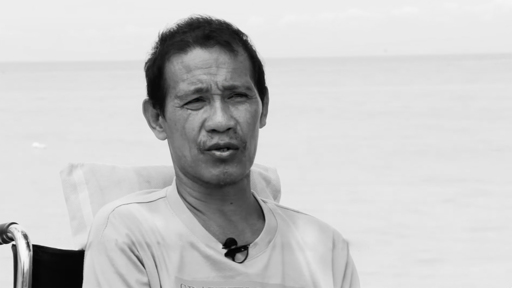
The sea off San Remigio could look gentle from shore. White sand, clear water, and boats moving slowly across Tañon Strait. For many families in Barangay Anapog, in northern Cebu, it was also the pantry and workplace. Fish and shellfish were food, income, and a future to pass on. By the early 2000s, that future was shrinking. Catches had fallen. Commercial boats entered waters reserved for small fishers. Dynamite and compressors damaged the reefs and frightened those who tried to stop them. The rules were known, but enforcement was weak, meaning that despite the sea’s protected status, it was still being stripped. Norlan Pagal had been a fisherman since 1979. He left school after Grade 4, but he learned fishery law closely and remembered what the sea had once provided. In 2002, when the decline became impossible to ignore, he joined the bantay dagat, the volunteer sea patrol that guards coastal waters in the Philippines. Three years later he became chair of the Anapog Fishermen Association. For more than a decade he helped watch over the Anapog Marine Protected Area and the wider Tañon Strait Protected Seascape. The work was direct and dangerous. He and other volunteers went out in small boats, sometimes paddling to confront fishers using illegal gear. They patrolled, reported violations, organized clean-ups, and helped restore mangroves. Sometimes they succeeded: commercial vessels were caught, sanctuaries defended, and rules enforced in a place where they had often been ignored. At other times the answer was violence. Norlan Pagal.…This article was originally published on Mongabay
From Conservation news via This RSS Feed.