

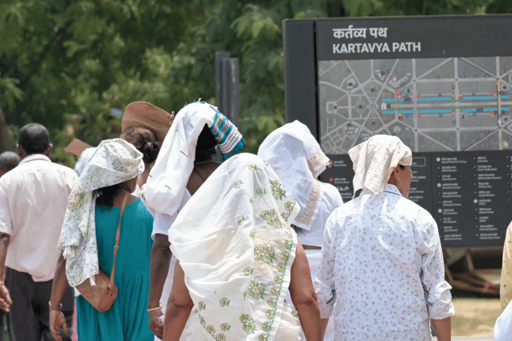
From mid-April through May 2026, India and Pakistan were gripped by a heatwave that saw daily maximum temperatures soar above 46° Celsius (114.8° Fahrenheit) in numerous cities. This ongoing period of intense heat has resulted in at least 10 reported deaths in Karachi, Pakistan and 6 reported cases of deaths from heat stroke in India, as of April 27. A “super-rapid” study released by scientists from the World Weather Attribution indicates that such high temperature conditions in April are becoming more frequent, now occurring once every five years in the region. The researchers also found human-induced climate change made the 15-day heatwave period from April 15-29 approximately three times more likely than it would have been in a pre-industrial climate. The same heat “event would have been about 1°C (1.8°F) cooler in a pre-industrial climate.” “What used to be rare heat in South Asia is now a regular reality,” Mariam Zachariah, a research associate in extreme weather and climate change at Imperial College London, said in a statement. She noted the pre-monsoon period in the region is becoming both longer and hotter, forcing hundreds of millions to face extreme heat for a greater portion of the year. The sweltering conditions triggered record-high electricity demand across India and induced agricultural drought affecting over 1 million square kilometers (386,102 square miles), threatening the food security and livelihoods of millions dependent on farming. The heat also coincided with major election periods and census operations, exposing millions of voters and officials to dangerous conditions.…This article was originally published on Mongabay
From Conservation news via This RSS Feed.