

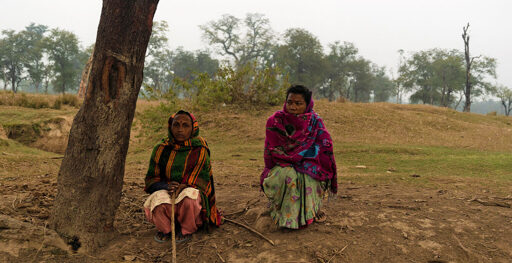
While Nepal celebrates tripling its wild tiger population, rural women in forest-edge communities face escalating danger. A demographic shift driven by large-scale migration of men abroad has in part forced women to take on nearly all agricultural and household responsibilities. Described as the “feminization of agriculture,” the shift has pushed women into high-risk forest edges for daily subsistence work, such as collecting firewood and fodder, reports contributor Tulsi Rauniyar for Mongabay. Most fatal wildlife encounters occur during routine activities. Binita Pariyar, a 17-year-old from a marginalized Dalit family, was killed by a tiger in December 2025 while cutting grass in the forest for her livestock. Following her death, five more people were killed in forests around Bardiya National Park within four weeks. Recent research indicates that nearly one-third of fatal attacks happen while herding cattle, and another third occur during grass cutting. Forest department records also show the majority of those attacked while cutting grass from 2021-2025 have been women. The forests they go to are specifically designated for the collection of fodder, firewood and grazing materials. Data from 2024 show that 84% of recorded attacks in Bardiya district occurred within 1 kilometer (0.6 miles) of forest boundaries. Many recent deaths have taken place in and around the Khata Corridor, a stretch of forest connecting Bardiya National Park with Katarniaghat Wildlife Sanctuary across the Indian border. “Wildlife movement in the corridor often peaks in the early morning and at dusk, along forest edges, trails and water sources,” said Rama Mishra,…This article was originally published on Mongabay
From Conservation news via This RSS Feed.