

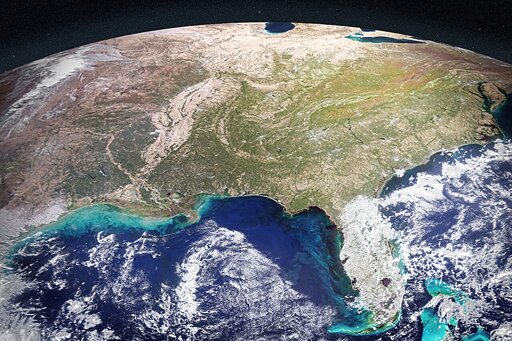
NASA scientists have developed an artificial intelligence tool to take on a longstanding challenge in ocean waters. In a study recently published in the Earth and Space Science journal, researchers reported the tool was able to fuse data from multiple satellites and detect harmful algal blooms that occurred in western Florida and Southern California.
From Earth News - Earth Science News, Earth Science, Climate Change via This RSS Feed.
Before anyone assumes; nothing to do with the “AI” you’re thinking. Based on the report, this’d be RBMs at the core. A machine type used in cascading iterations to get final predictive outcomes, trained along the way. Self-training is the intelligence part and implies it compares historical and actual outcomes to predictions as part of each layer and iterations within, adjusting as it goes through weighted values.
It’s cool because satellite imagery would be hard. Every day new noise. There’d be many times images wouldn’t be usable, but it could apply the predictions, compare a week later, and see how accurate it was.
