

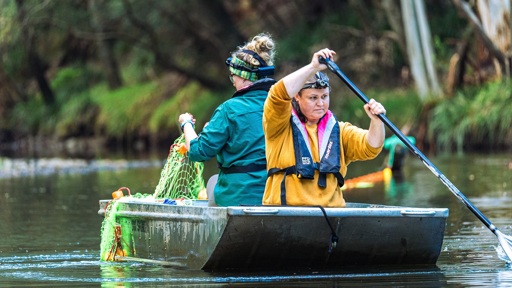
The platypus is an evolutionary anomaly. This duck-billed, semiaquatic mammal is both unique and rare. It’s just one of five egg-laying mammals on the planet. It nurses its young. And it also has reptilian traits: It has a cloaca, maintains a low body temperature (32° Celsius, or 90° Fahrenheit) and males have venomous spurs. It prefers the lush rivers along Australia’s east coast, using electroreception, sensing electrical stimuli to detect favored food, which includes larvae, shrimp and small crayfish on the riverbed. The platypus (Ornithorhynchus anatinus) usually feeds during twilight at dusk and dawn, and is elusive, spending much of its life submerged. Its true population remains unknown. The IUCN Red List estimates 50,000 and classifies the species as near threatened. But that listing was based on an assessment done in 2014, which even then noted it was a “best estimate” and the population was decreasing. Gilad Bino, who leads the University of New South Wales Platypus Conservation Initiative, said he doubts those numbers. Platypuses are hard to find and count. They face a host of challenges, including destruction of their riparian habitat and encroaching human development. New research shows that environmental “threat scenarios” are raising the platypus’s risk of extinction. More frequent and extreme weather events endanger platypuses when drought dries the waters they inhabit, wildfires blaze through or floods inundate burrows before the animals can escape. The research, published in the journal Australian Mammalogy, calls for a proactive response, based on habitat and risk. But effective conservation, the…This article was originally published on Mongabay
From Conservation news via This RSS Feed.
Fucking humans