

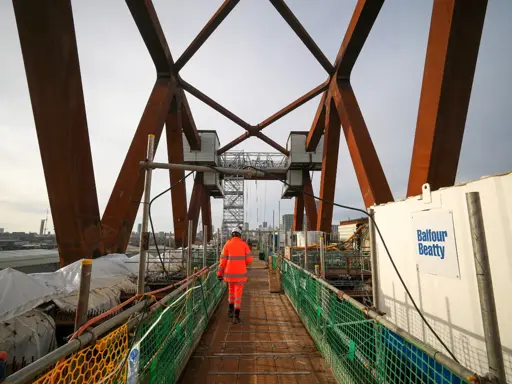

Transport secretary Heidi Alexander has confirmed that the HS2 high-speed rail line – or the little that’s left of its original route – will cost almost £103bn. A lower estimate of ‘only’ £87.7bn has also been mentioned. However, the history of HS2 makes the idea of anything coming in at the lower end of an estimate laughable. The “overblown vanity project” is unlikely even start to function for another 13 years at best. The first phase – now the only phase – was meant to come online in December 2026.
HS2 is a money pit
HS2 was originally supposed to cost £32.7 billion when it was first planned in 2010. This cost was considered extreme even then for a time saving of at best 30 minutes per journey. It was also supposed to cover a Y-shaped line heading first to Birmingham, then splitting to Leeds and Manchester. The Leeds and Manchester stretches were then cancelled.
In a comedic announcement, Alexander also said that the trains will run significantly more slowly than first planned. The original 360km/h will be cut by more than 11% to 320km/h – building a line that could actually handle the originally planned speed would cost even more.
No comparison
The UK blue Tory/red Tory shambles looks even worse when compared to how other countries did with their much better efforts. Japan’s Kyūshū bullet train line cost just $5.9bn in 2004. It is over 30km longer, and cost around $23m per kilometer to construct. The cost included tunnelling through almost 70 miles of actual mountain to keep the line as straight as possible.
France’s Tours-Bordeaux TGV (high-speed train) line cost around $32m-£40m per kilometre. HS2, assuming no further overruns, will cost around £457m per kilometre – and that’s pounds, not US dollars.
Basic tickets on the TGV cost around €10, with guaranteed lower prices for children. The most expensive, first-class tickets are around €100. Tickets on the Japanese bullet train start from around £5, up to £100 for first-class. The price premium for travel on HS2 has not yet been confirmed – it’s still thirteen years away. Apart from a few ‘get it now’ giveaways, even a basic slow train running currently from Birmingham to London costs much more. Passengers pay minimum of £28 for low-cost, non-flexible advance tickets, up to £193 or more for a short-notice or first-class booking.
Alexander blamed Tory chaos – a “litany of failure” – for the situation. But Tory is as Tory does; blue or red makes no difference. Nobody is making Starmer’s drab crew keep going with this nonsense. Let alone to allow it to become yet another publicly-funded cash cow for private rail operators to gouge ordinary people.
Featured image via Getty/Christopher Furlong
By Skwawkbox
From Canary via This RSS Feed.