

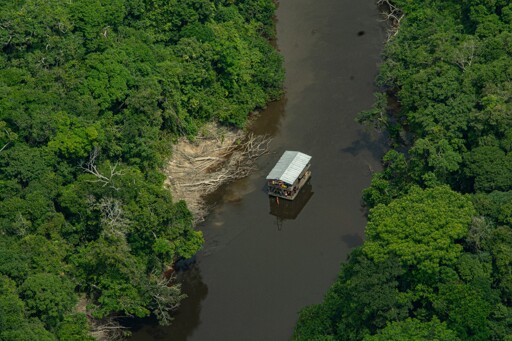
A new report by the International Crisis Group finds that organized crime has become a “major obstacle” to protecting the Amazon. Criminal groups often operate across borders and are expanding control over huge swathes of land, which undermines state efforts to combat environmental crimes such as drug trafficking, deforestation and illegal mining. “In Colombia, park rangers have been blocked from entering their own protected areas by non-state armed groups, leaving vast stretches of forest unmonitored and effectively undefended,” report author Bram Ebus, an International Crisis Group consultant and founder of Amazon Underworld, an investigative journalism project, told Mongabay via WhatsApp messages. “NGOs [non-governmental organizations], U.N. agencies and bodies belonging to the environment ministry have similarly been denied access to Amazon territories with troubling regularity, meaning that local development programs, reforestation initiatives and conservation efforts simply cannot be carried out.” Ebus said this is not incidental and that armed groups deliberately keep communities at a distance from the state to maintain a governance vacuum that serves their economic and territorial interests. The spread of organized crime has fueled rising violence and environmental damage across the Amazon including in Colombia’s Putumayo, Caquetá and Amazonas departments. The Comandos de la Frontera, a FARC dissident group that controls coca plantations and illegal mines, exerts control in those areas. Other criminal organizations operating across the Amazon, including in Brazil, Ecuador and Peru are also driving instability and environmental harm. While criminals continue to expand their reach and coordinate with one another, the report says national…This article was originally published on Mongabay
From Conservation news via This RSS Feed.