

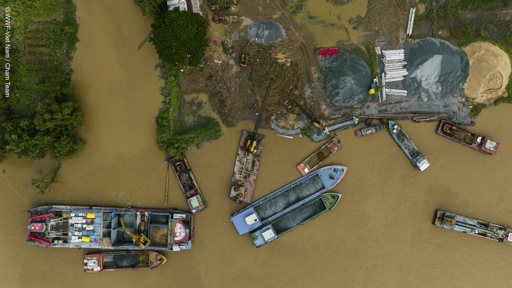
Sand is the most widely extracted solid material on Earth. The global sand mining industry removes roughly 50 billion metric tons of it a year, a pace that far outstrips the planet’s natural replenishment rates, according to a new report from the U.N. Environment Programme (UNEP). Excessive sand extraction from landscapes, rivers and coastal zones threatens ecosystems, livelihoods and many processes on which life depends, the report says. Yet the current pace of removal — enough to build more than 19,000 Great Pyramids of Giza — is only set to grow, with demand for buildings alone expected to rise 45% by 2060. Without coordinated governance, stronger monitoring and long-term planning to mitigate the risks of surging global demand, the industry will continue operating at an unsustainable level, the authors say. The report, published by UNEP’s Global Resource Information Database Geneva (GRID-Geneva) team, calls on industry stakeholders to improve extraction practices to use sand more wisely by balancing meeting demand with environmental protection. Sand is used to make concrete to build everything from homes and offices to roads and seawalls. It’s also used to manufacture glass and silicon-based components like electronic chips and solar panels. “Sand is sometimes referred as the unrecognized hero of development,” Pascal Peduzzi, director of UNEP’s GRID-Geneva program, said in a press release. However, its role in sustaining biodiversity and coastal communities already vulnerable to the impacts of environmental change is too often overlooked, he added. “Sand is our first line of defence against sea level rise,…This article was originally published on Mongabay
From Conservation news via This RSS Feed.