

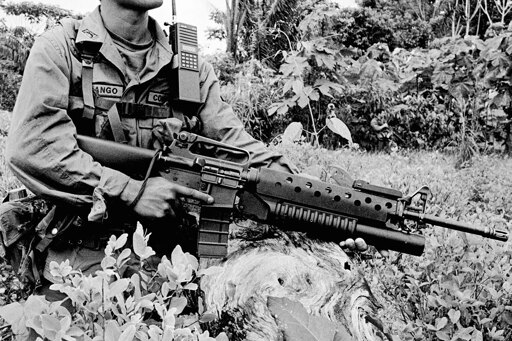
This editorial by Magdiel Sánchez Quiroz originally appeared in the May 16, 2026 edition of La Jornada, Mexico’s premier left wing daily newspaper. The views expressed in this article are the authors’ own and do not necessarily reflect those ofMexico Solidarity Mediaor theMexico Solidarity Project*.*
Latin America plays a crucial role in the current global military escalation by the United States. Faced with an emerging multipolarity, made possible primarily by the rise of China as a global power, and having been defeated in Iran and Cuba by two forms of resistance that have prevented the advancement of its genocidal plans, the United States is attempting to tighten its grip on its “backyard.”
In recent years, it has managed to establish the most favorable balance of power in the last 20 years. But it is still far from regaining its absolute dominance. Therefore, it is launching new forms of aggression throughout the region. The recently released National Drug Control Strategy 2026 (NDCS), published by the Donald Trump administration on May 4, is part of this new military offensive in the region.
The new ENCD is a kind of corollary to the National Security Strategy presented in December 2025. In it, the “nation under God” (as the United States defines itself in the document) promises to use “all the instruments of American power” against two types of enemies: Foreign Terrorist Organizations and Transnational Criminal Organizations that traffic chemical precursors from China and India.
Despite the political changes brought about by the governments of Petro in Colombia and López-Sheinbaum in Mexico, these nations are far from having broken free from the forms of domination imposed upon them by the United States.
Without going into further detail about these two enemies, their ambiguous use allows for the justification and elevation of any drug-related act to the level of terrorism. This opens the door to military, economic, and diplomatic intervention in sovereign nations, forcing them to comply with its dictates under threat of being accused of collaborating with terrorism.
The ENCD’s special focus is on Colombia and Mexico. Regarding Colombia, it states: “It must reduce coca cultivation and dismantle the criminal networks that profit from cocaine production.” As for Mexico, which is mentioned 31 times in the text, the “instruction” is more extensive. It demands that Mexico seize precursor chemicals, reduce production, and orders Mexican authorities to “eliminate the cartels’ capacity to threaten U.S. territory and security.”
Both Colombia and Mexico, over the last three decades, served as the primary social laboratories for implementing the United States’ military anti-drug doctrine, after the U.S. supplied weapons, resources, and military training to criminal cartels. Both countries were scarred by forms of state and paramilitary terror that, despite this, boosted the macroeconomy and fueled free trade. At the same time, domestic drug consumption grew exponentially, severely damaging community structures. The populations of these two countries, fed up with the forms of exploitation and warfare they endured, pushed for changes in government through elections, voting for political figures who represented an opposition to following imperial dictates.
Despite the political changes brought about by the governments of Petro in Colombia and López-Sheinbaum in Mexico, these nations are far from having broken free from the forms of domination imposed upon them by the United States. However, the prevailing shift to the far right in the region positions them as staunch enemies of the Trumpist elite. Along with Brazil, they are the main factor that makes the Shield of the Americas seem like a marginal initiative. These are countries that some are trying to push to abandon multipolarity and instead entrust themselves to the survival of the United States.
Special attention must be paid to how the National Strategy for Combating Drug Trafficking (ENCD) will intensify war propaganda in Colombia to try to alter the trend in the presidential elections, where Iván Cepeda, the candidate of the Historical Pact, is the most likely successor to Petro. It is also expected that CIA and DEA operations in Mexican territory, along with accusations against Mexican politicians accused of links to drug trafficking, will be intensified as a form of more direct intervention in national politics.
In Mexico, this December will mark 20 years since the start of the war on drugs, dictated by the United States. The social consequences are terrible, and drug trafficking groups have grown stronger and extended their control into all aspects of life.
Through this newspaper, over the past 20 years, critical intellectuals such as Carlos Montemayor, Luis Javier Garrido, John Saxe-Fernández, Carlos Fazio, Gilberto López y Rivas, and Luis Hernández Navarro have traced and denounced, from various perspectives, the impacts of this war. Meanwhile, community self-defense groups, search collectives, Indigenous communities, educators, social organizations, and the Zapatista Army of National Liberation have created specific forms of resistance against what has become a war against the people. It will be necessary to build upon this accumulated experience to develop a national strategy that offers an alternative to the U.S. military approach, which promises only more drugs, war, and intervention.
-
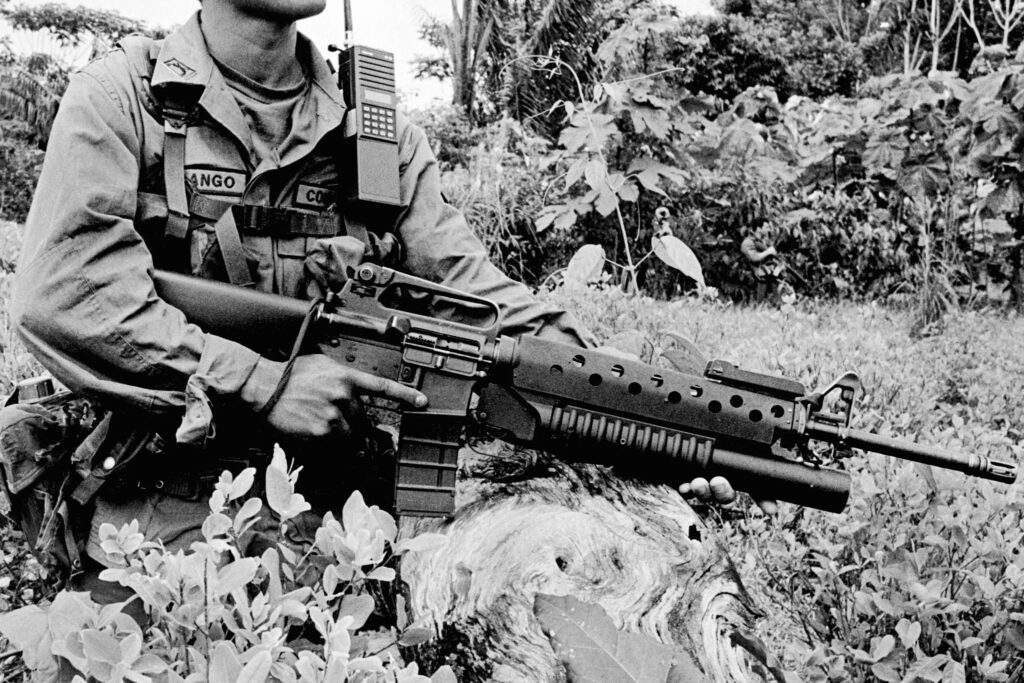
Drugs, War & Intervention
May 16, 2026May 16, 2026
It will be necessary to build upon the popular, Mexican accumulated experience to develop a national strategy that offers an alternative to the US military approach, which promises only more drugs, war, and intervention.
-
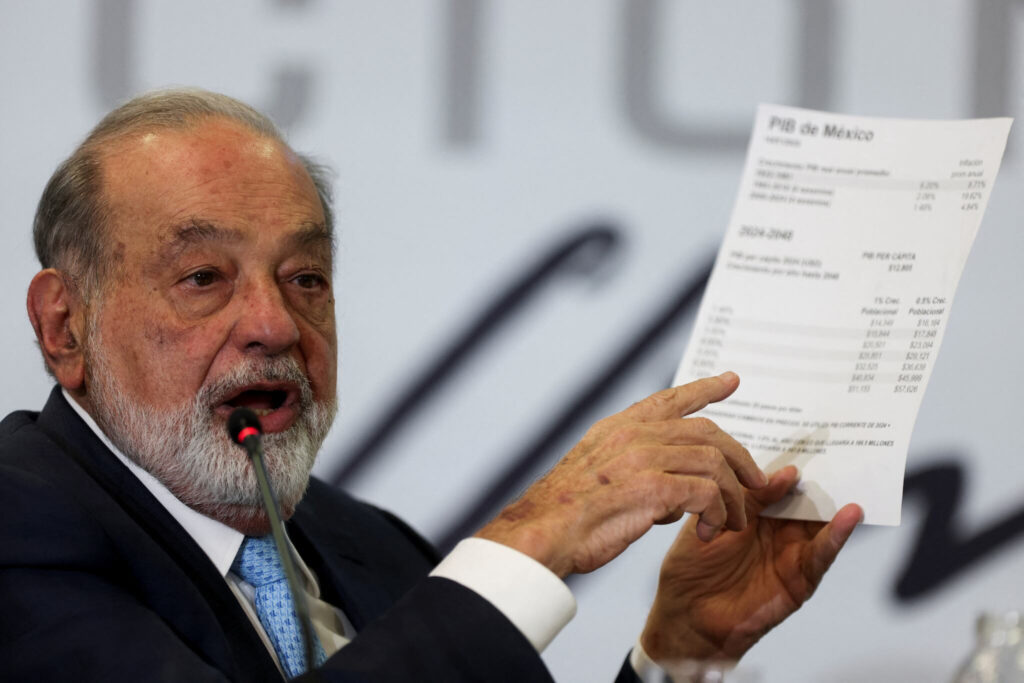
Billionaire Carlos Slim’s Telcel Illegally Charges 135,000 Customers for “AI Service”
May 15, 2026
Mexico’s Federal Consumer Protection Agency, PROFECO, reported that the captive customers did not authorize or request said service.
-

Against Chihuahua Governor Campos, Now. No Excuses or Delays.
May 15, 2026May 15, 2026
Justice cannot be contingent on underhanded “agreements,” especially in a case of constitutional violation.
The post Drugs, War & Intervention appeared first on Mexico Solidarity Media.
From Mexico Solidarity Media via This RSS Feed.