

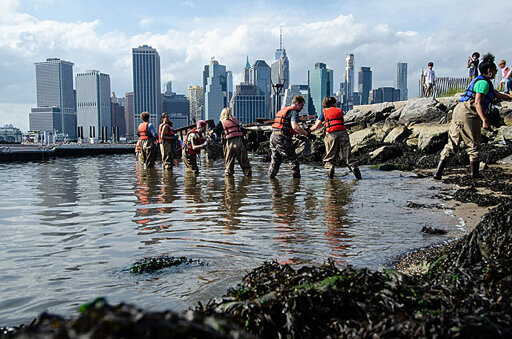
Over the past decade, cities around the world have increasingly turned to nature-based infrastructure to become more resilient in the face of a changing climate. Urban forests provide shade during heat waves and improve air quality; wetlands filter stormwater and reduce flooding; and restored oyster reefs filter water, create habitat and reduce wave energy along shorelines. When carefully designed and managed, these “nature-based solutions” can support climate adaptation, biodiversity and public health.
From Biology News - Evolution, Cell theory, Gene theory, Microbiology, Biotechnology via This RSS Feed.
You must log in or # to comment.