

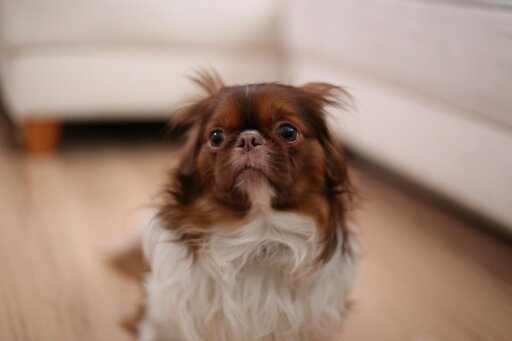
A dog trembling during a thunderstorm or backing away from a stranger may seem like an isolated reaction—yet new research suggests these moments are far from rare. In fact, the majority of dogs may experience some level of fear or anxiety more often than their owners, according to a new study that analyzed behavior data from tens of thousands of pets across the United States.
From Biology News - Evolution, Cell theory, Gene theory, Microbiology, Biotechnology via This RSS Feed.
This is honestly not surprising information to me. Many dogs these days are kept mostly indoors or in their owner’s private spaces, only leaving for an occasional walk or a vet visit. Most owners either don’t know or don’t care to properly socialize their dogs to the world and show them that things aren’t scary. When I got my golden the breeder warned me he had developed some anxiety and skittishness in the past week, and it was likely going to be a long-term trait. She was correct, but because of that I’ve spent his entire life showing him new situations, places, people and things, and working with a trainer occasionally for guidance. 5 years ago walking past a large dumpster would freak him out to the point of running away, but now if he spooks it’s just a quick startle reaction before he cautiously investigates. He was taught and learned to overcome his initial fear reactions to new or startling things, and with gentle encouragement he quickly gets over it.
More dog owners should spend time actively working on this with their dog, and responsible breeders play a role by trying to breed healthy confident puppies. Some fears are harder to overcome than others, but working with a dog to overcome their tendency to be fearful helps overall.
Other than the more obvious signs of anxiety, a good way to tell if a dog is anxious/hurting or not is to learn to recognize the “anxious dog pant”.
It kind of looks like when a dog is panting from being hot, but at a bit lower level and very very constant along with an associated pulling of the corners of their mouth back almost like a “dog smile” when a dog is happy and relaxed but to a lesser and more rigid degree (think of a dog doing the :| emoji). With their breathing I am not meaning to describe a vigorous hyperventilating rather think of the energy of someone tapping their foot annoyingly over and over again while you are trying to concentrate. Dogs will also usually have a bit of a 1000 yard stare going on while doing this too. It is kind of subtle but once you learn to look for it, it isn’t too hard to spot. Of course, many dogs probably feel anxiety without displaying the “anxiety pant” how can we really know but just like humans dogs usually wear how their heart feels on their body language whether they realize it or not.
