

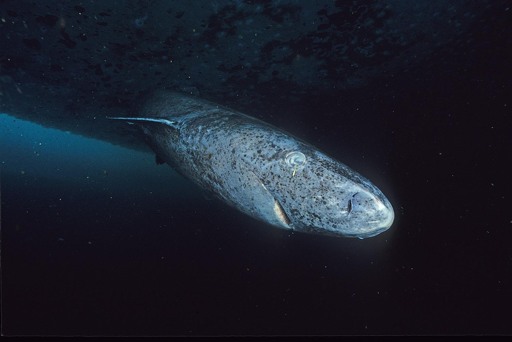
COLOMBO — More than 800 researchers and conservationists gathered in Colombo, Sri Lanka’s capital, from May 4-8 for Sharks International, the world’s largest shark conference. Presenters shared research and insights on the global trade in sharks, the plight of rays, and a range of conservation measures, including rewilding initiatives, improving marine protected area effectiveness, and the bolstering of monitoring and enforcement systems to protect threatened species. Overfishing has halved shark and ray populations since 1970. Today, more than a third of species are threatened with extinction. Meat trade comes into focus Scientists from around the world debuted new research on the trade in shark and ray meat, a major driver of fishing pressure. For years, the meat trade flew under the radar as attention centered on fins, pound for pound the most valuable part of the shark. But overall, the meat trade is actually worth more, valued at $2.6 billion from 2012-2019, versus $1.5 billion for the fin trade, according to a 2021 WWF report. Researchers from Dalhousie University in Canada shared preliminary findings from a big-data project aimed at understanding which species of sharks and rays, collectively known as elasmobranchs, are being landed and where they are traded. These dynamics have largely eluded researchers, as the commodity codes governing the trade allow shipments to be labeled merely as “shark” or “ray.” Moreover, only 29% of shark and ray landing data that countries share with the Food and Agriculture Organization of the United Nations is reported to species level, according…This article was originally published on Mongabay
From Conservation news via This RSS Feed.