

This interview with Dr. Gustavo Leal Fernández originally appeared in today’s issue of the Mexico Solidarity Bulletin. We encourage you to subscribe!
“Germs don’t carry a green card.” That was a saying we had at Health Care for All, a healthcare advocacy organization in Massachusetts. Policymakers may be against spending money caring for people who aren’t citizens — but all of us, immigrants and non-immigrants are working together at the job, and at our schools all the children play together–viruses travel without checking anyone’s papers. Same goes for low-income people who can’t afford insurance. Yes, healthcare must be for*all,*or we’re all at risk.
Universal — and public. At one time in the US, if your house was on fire, the firefighters wouldn’t come if you hadn’t bought insurance. But the fire didn’t care and merrily consumed one house and then the next. If you lived next door to the house where the fire started, would you say, “I’m so glad I have insurance,” or would you say, “The firefighters better put out that fire next door before it burns my house down!” People chose the latter and voted for a public system of firefighting.
As Gustavo Leal Fernandez points out in today’s interview, health policy reform in Mexico still prioritizes those already sick or injured, the house on fire. Important — but what can we do to prevent fires? In the US, the best way to predict someone’s health status is to look at their zip code. What can be done? The people in those neighborhoods probably have some good ideas.
If the most marginalized people can call the fire department and instruct them on why more fires are burning in their neighborhood, nations can create systems that protect all of us.
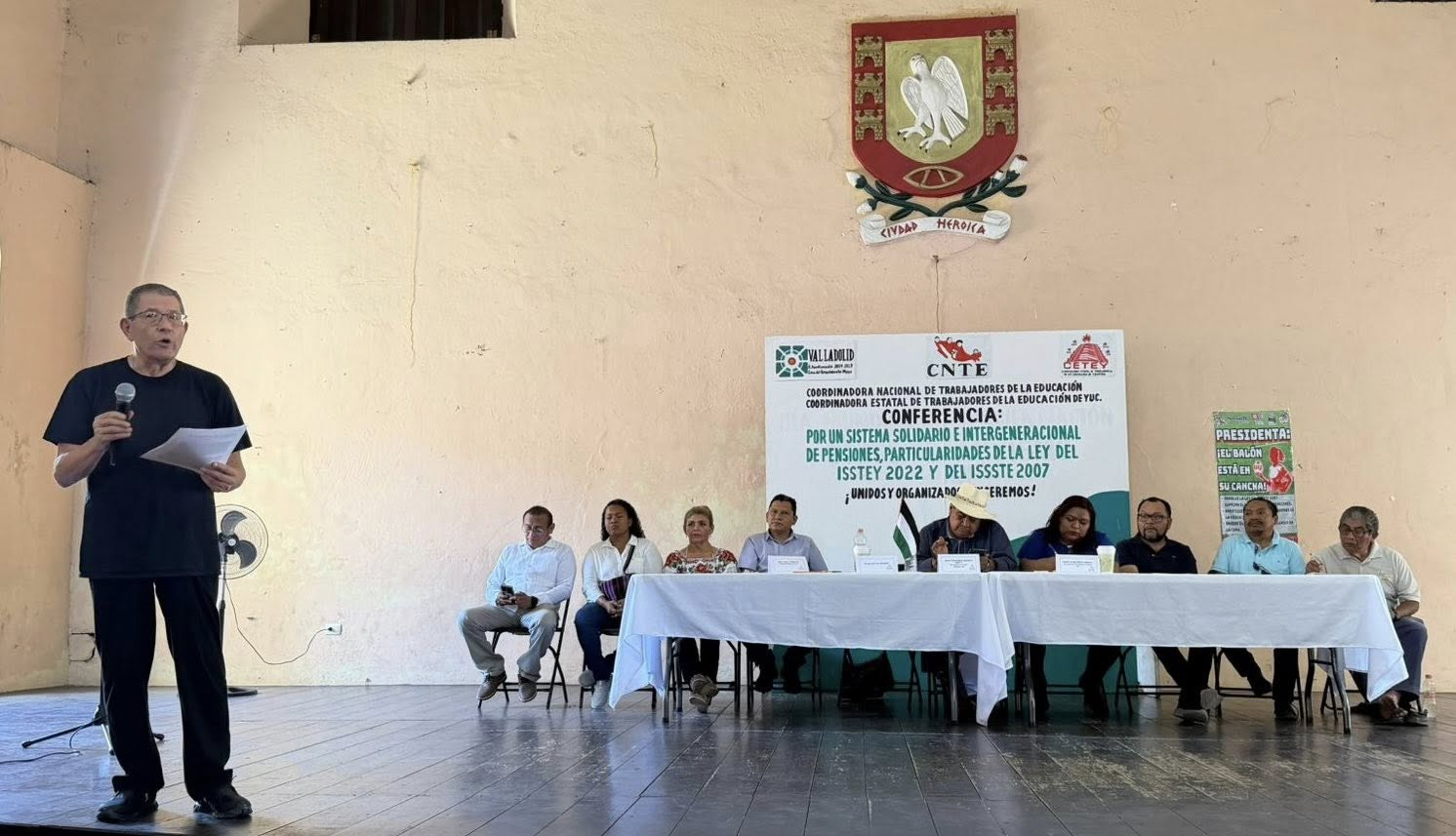
Dr. Gustavo Leal Fernández is a Research Professor at the Universidad Autonoma Metropolitana-Xochilmilco. He has been studying health care, pensions, housing, and social security in Mexico and globally since 1978. Most recently, he has analyzed living conditions and health policy under President Lopez Obrador’s 4th Transformation. Dr. Carole Browner is a Research Professor at UCLA currently engaged in collaborative work on Mexican health and pension policy reform. Dr. Héctor Javier Sánchez Pérez is a Senior Researcher in the Department of Health at El Colegio de la Frontera Sur.
Universal health care is one of the most ambitious promises in Mexican politics today. What healthcare system did Claudia Sheinbaum inherit?
For decades, Mexico’s public health system has been far from universal. The Mexican Social Security Institute, or IMSS, covered formal-sector workers and the Social Security Institute and Services for State Employees, or ISSTE, provided care for government employees. But the huge informal economy, rural areas and many Indigenous communities were left out.
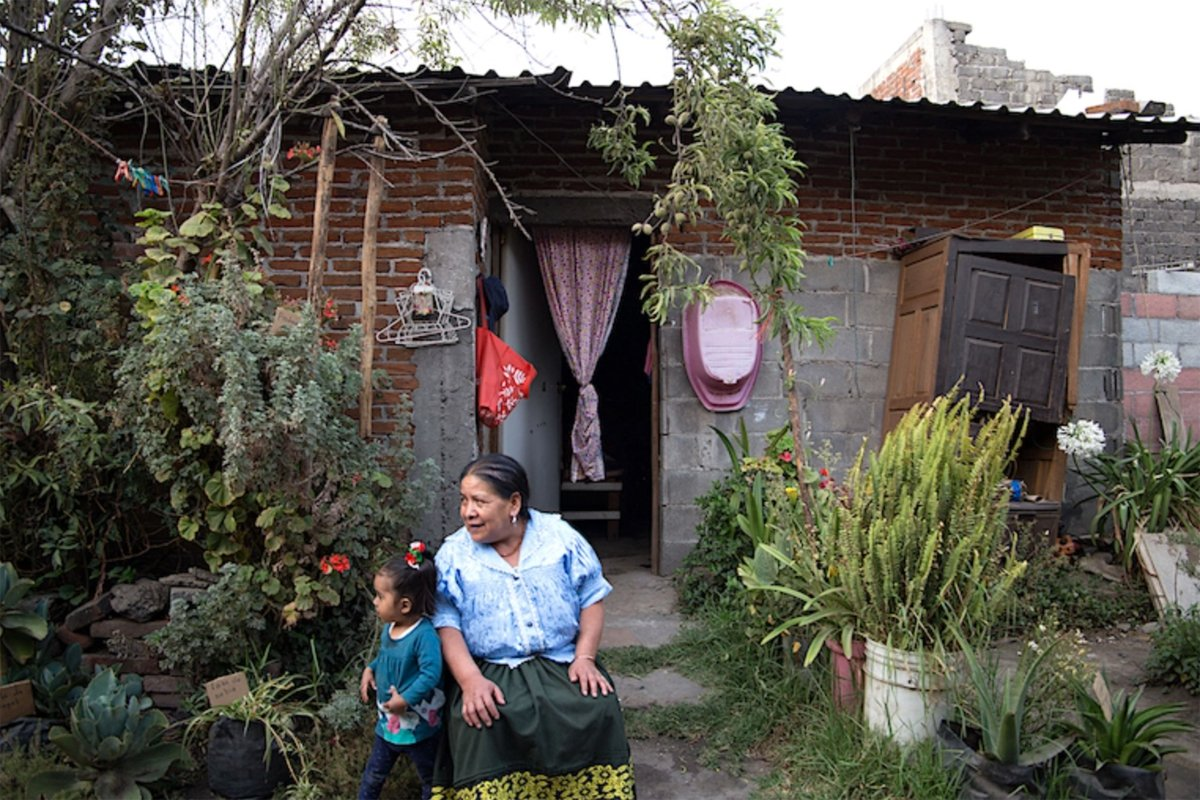
“Naná” Gracia is an Indigenous P’urhépecha woman seen here in her ekuarho agroforestry plot with granddaughter Alma. Photo: Monica Pellicci, Civil Eats, 2022
Years of neoliberal policies and budget cuts made things worse, pushing more people into private and often expensive healthcare, meaning that large segments of the population had little or no care at all.
President Claudia Sheinbaum, elected in 2024, has promised to deliver health care to all Mexicans by the end of her administration in 2030. Is this achievable?
It will be challenging. Her predecessor, President López Obrador, or AMLO, tried to include those without coverage in a new IMSS-Bienestar program, but results were mixed.
Recently, on April 7, 2026, Sheinbaum announced the Servicio Universal de Salud. Rather than creating a new system, this plan integrates the existing IMSS, ISSSTE and IMSS-Bienestar programs so Mexicans can get treated at any public facility, regardless of which system they belong to.
The rollout starts small: older adults, those 85 and over, will get health credentials first in 2026. In 2027, cross-institutional care for emergencies, heart attacks, strokes, high-risk pregnancies and certain cancers is planned to begin, with full integration targeted for 2030.

IMSS hospital, Mexico City Photo: Jay Watts
It sounds promising, but the road will be steep. Mexico spends just 5.9% of its Gross Domestic Product, or GDP, on health — well below the International Organisation for Economic Co-operation and Development, or OECD, average of 9.3%. In US dollars, per-person spending is only about $1,588 compared to the nearly $6,000 average across OECD countries.
There’s only 1 hospital bed per 1,000 people, versus 4.2 in the OECD; life expectancy is 75.5 years — about 5.6 years below the average; and rates of preventable and treatable deaths remain high.
Out-of-pocket costs consume 38–41% of total health spending, which hits families hard.
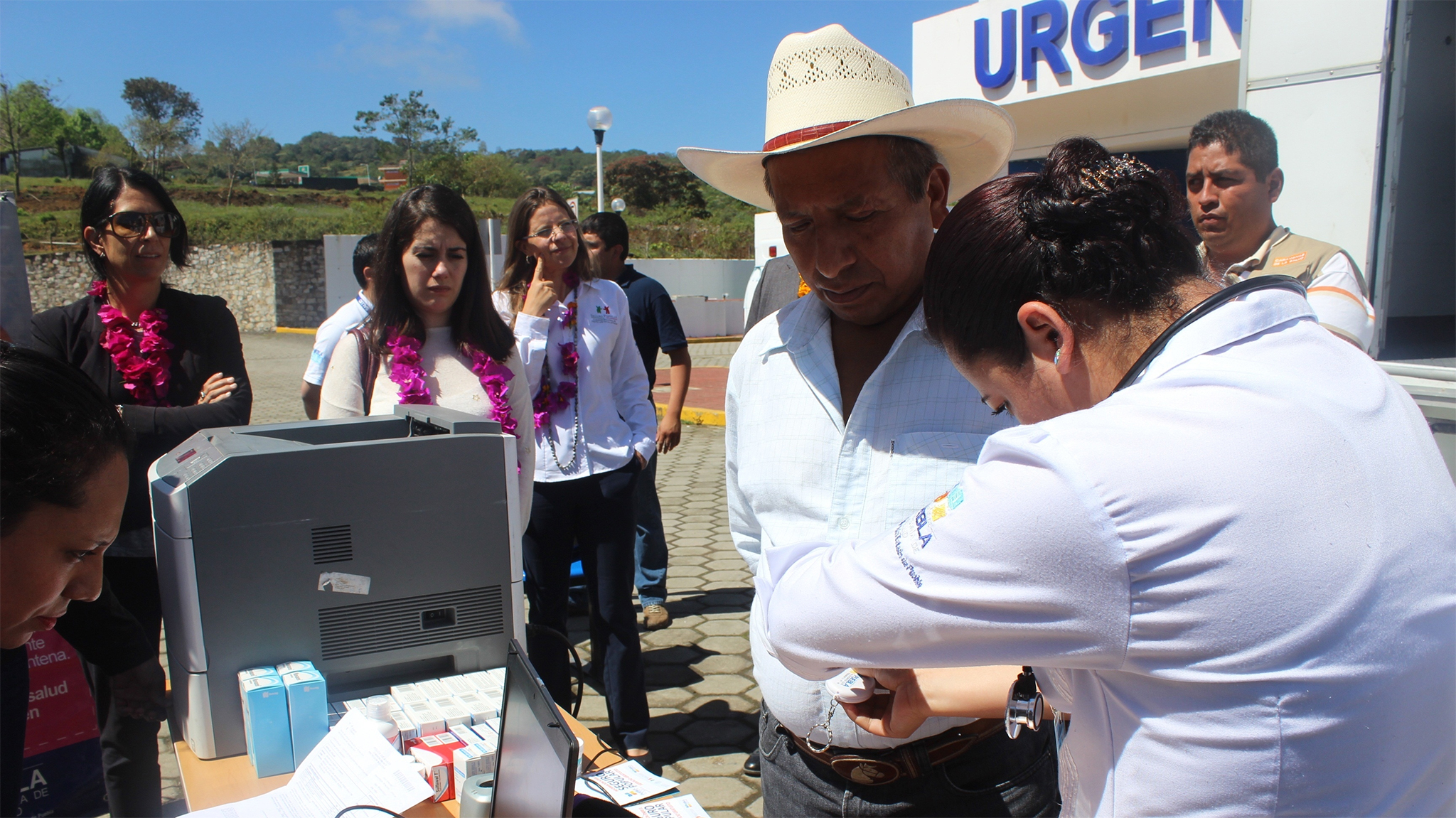
Health personnel demonstrate a “Consulta Segura” – a preventive health checkup. Photo:World Bank Group
To alleviate the pressure on facility-based treatment, wouldn’t health promotion and disease prevention programs help?
Sheinbaum is offering the Plan República Sana, the Healthy Republic Plan, which emphasizes prevention, shorter waiting times, improved infrastructure and more dependable medical supplies and digital records.
One innovation intended to incorporate community participation “from below” is the La Clínica es Nuestra, The Clinic is Ours initiative, which sends money directly to communities for infrastructure improvements for each community clinic’s particular needs.
While a step in the right direction, requiring each program be run by a “Health Committee for Well-being” — made up of five members elected by the beneficiaries themselves — doesn’t necessarily translate into a genuine community voice or a truly community-driven approach. And it hasn’t impressed the public, since most are more concerned about practical, day-to-day issues like shorter wait times to see a doctor and ensuring enough staff and medicines are consistently available and on hand.
Sheinbaum’s reforms seem to be driven by a political agenda and will consume considerable resources that could instead be devoted to disease prevention — not just treatment — and community engagement.
For example, another new Sheinbaum initiative is the Casa por Casa, or Home to Home, program that provides home-based care to the disabled and the elderly. Tracking down sick people in their homes is a clinical approach that may be important for patient care — but does not address disease prevention.
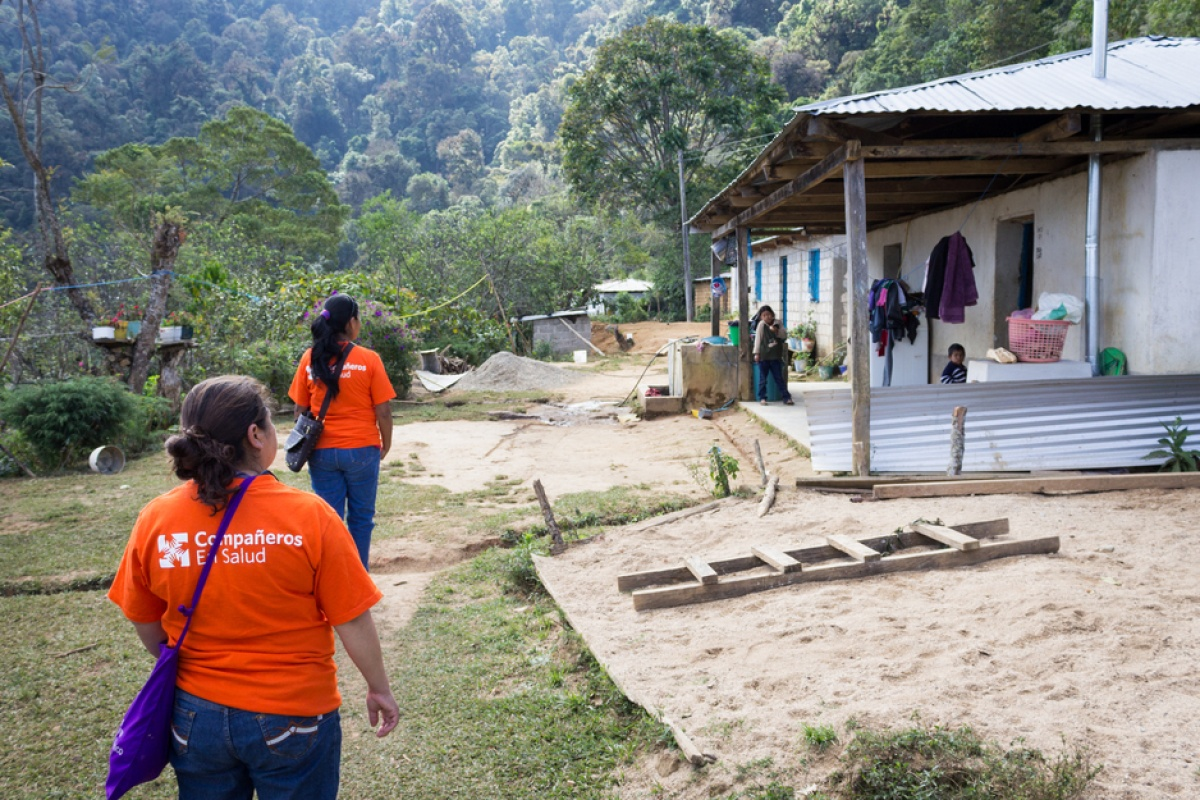
Community health workers Yadira Roblero and Magdalena Gutiérrez make a home visit to a family in Laguna del Cofre, 2019: Aaron Levenson/Partners In Health
The new programs are well intentioned, but many see them as incremental, not transformative. In other words, they don’t address the structural changes that are necessary to change the population’s overall health profile.
What are the hurdles to achieving these ambitious goals?
Lack of major public investment! A national health system cannot be created with chronic underfunding.
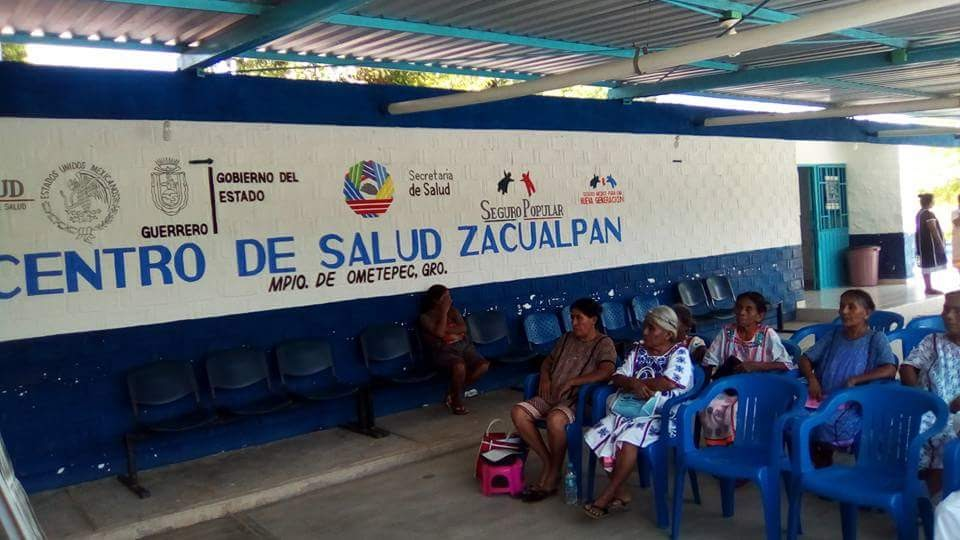
A clinic demonstrates the value of free health insurance, 2026: Renata Narita/Leonardo for CEPU Santiago/Wikimedia
It won’t be easy to merge the three main public health systems nationwide — they are very different in funding sources, organizational structure and even legal framework. While digitizing records sounds good, this could widen current inequalities in rural areas without reliable electricity or internet. Medical training still favors specialists over community and family doctors.
Public trust may be difficult to build without more community involvement in health planning, not just on infrastructure needs like maintaining buildings. In general, the new plan tends to prioritize expansion of hospital infrastructure while continuing to neglect primary health care — a core problem of the past system. People would prefer not to get sick, not to need hospital care at all.
So, how do you rate Sheinbaum’s new health plans?
Besides funding, our approach requires two major changes. Prevention must become a real priority, addressing the root causes of poor health. Genuine collaboration with those doing the work and receiving the services will ensure better provision of care; frontline workers and community members are experts who must be brought into decision-making, instead of relying on top-down decrees.
To achieve community consultation requires more transparency and decentralization to states and municipalities, allowing policies and regulations established at the federal level to be adapted to local needs. What people need and want in Mexico City is not the same as Indigenous people in rural Chiapas do.
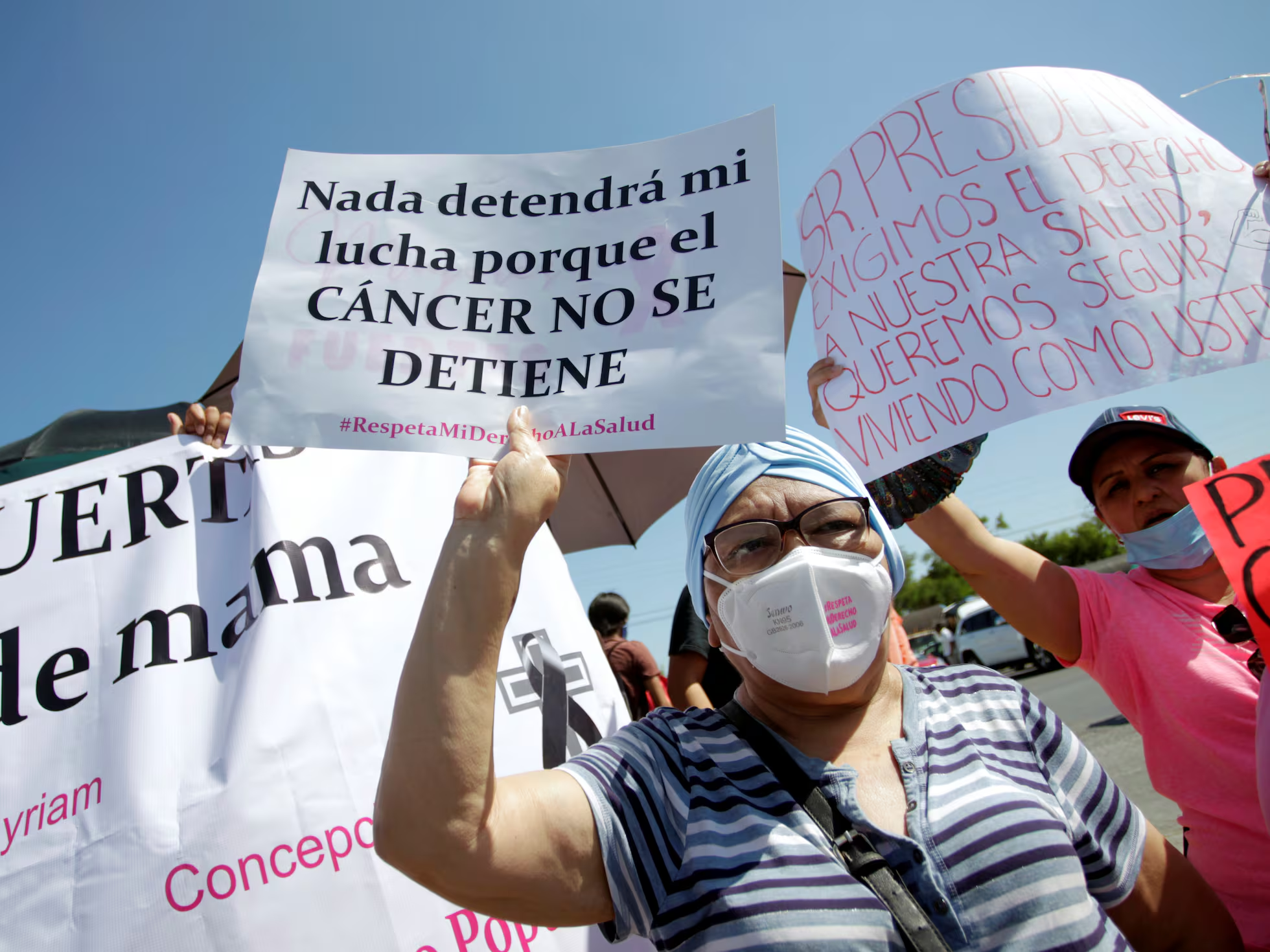
People unable to find medications for their cancer treatment protest in 2020. ‘Nothing will stop my fight, because cancer won’t stop.’ Daniel Becerill/Reuters
More than most recent governments, Sheinbaum links health closely to broader social goals; the April 2026 decree is a meaningful step toward ending fragmentation. But turning it into true universal care by 2030 demands far more than managerial tweaks — it requires bold increases in resources, significant structural changes that involve both frontline staff and the population itself, and real accountability. Nearly two years into President Sheinbaum’s term, the gap between announcement and real implementation is still wide.
The political will appears stronger now, but the road ahead is long and difficult. In the end, true universal access to quality health care isn’t measured by the number of new ID cards or decrees, but by a healthier people, lower family medical debt and renewed confidence in the public system.
Meizhu Lui’s experiences as the daughter of Chinese immigrants and as a single mom led her to focus on addressing inequalities based on race, gender, and immigration status. A hospital kitchen worker, she was elected president of her AFSCME local. She coordinated the national Closing the Racial Wealth Gap Initiative, and co-authored The Color of Wealth: The Story Behind the U.S. Racial Wealth Divide. Liberation Road, a socialist organization, has been her political home.
-
Sheinbaum: Universal Healthcare for All?
May 13, 2026
Nearly two years into President Sheinbaum’s term, the gap between announcement & real implementation is still wide; universal healthcare cannot be achieved in the current conditions of chronic underfunding.
-
People’s Mañanera May 13
May 13, 2026May 13, 2026
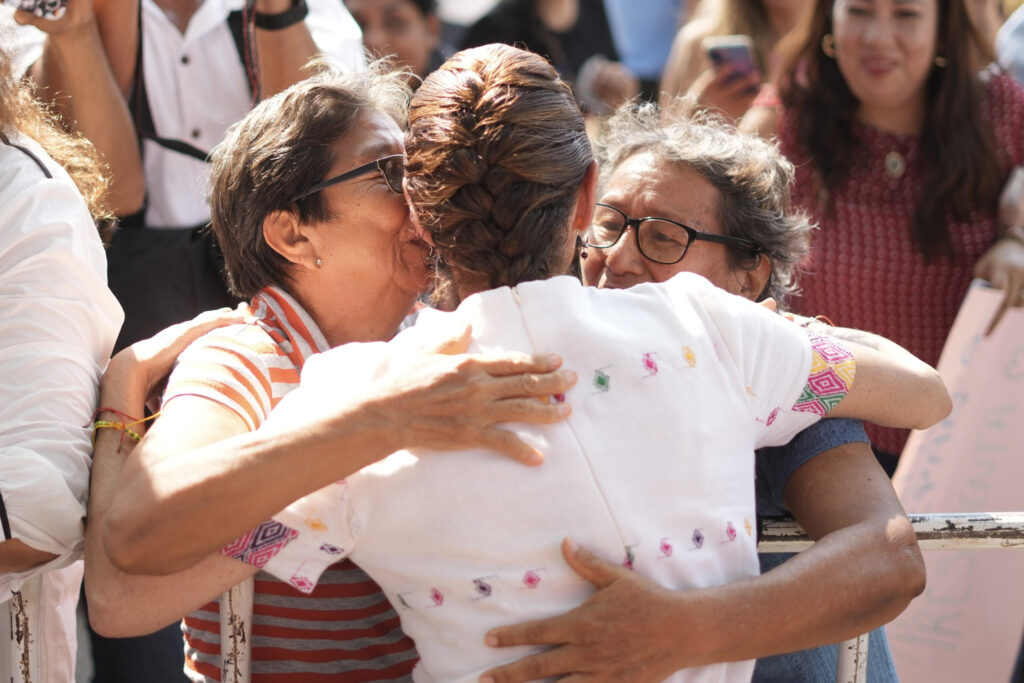
President Sheinbaum’s daily press conference, with comments on CIA agents in Chihuahua, CNN’s CIA car bomb story, Tabasco social housing, and the Olinia EV.
-
Second Chihuahua Prosecutor Resigns Over CIA Scandal
May 13, 2026May 13, 2026
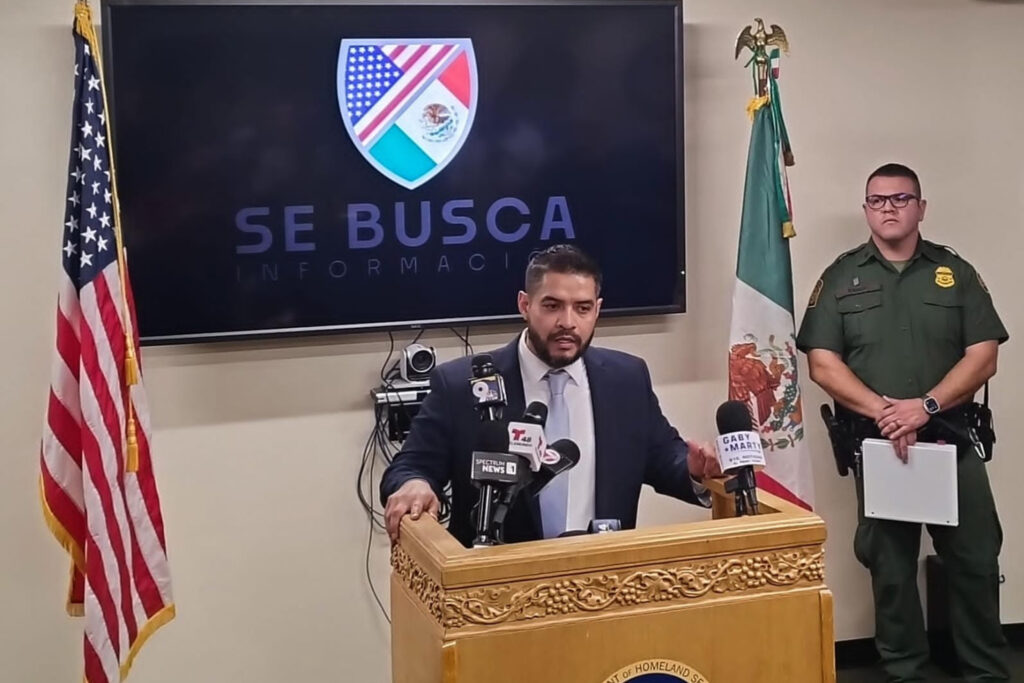
Hours earlier, prosecutor Wendy Chávez confirmed in an internal investigation the presence of US agents inside the Attorney General’s office.
The post Sheinbaum: Universal Healthcare for All? appeared first on Mexico Solidarity Media.
From Mexico Solidarity Media via This RSS Feed.