

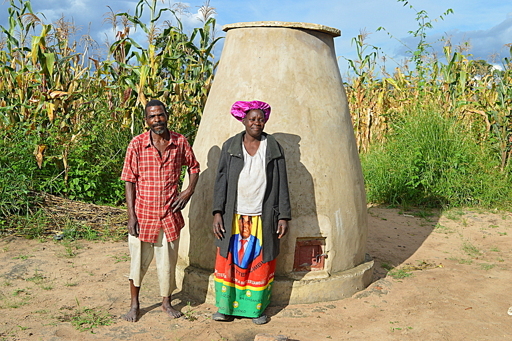
LUNDAZI, Zambia — The very first time 23-year-old Edward Kumwenda saw elephants, it was after midnight, and they were breaking into his house. That night, two years ago, Kumwenda was sleeping alone in a small brick-and-thatch cottage at his father’s homestead in eastern Zambia’s Chipangali district, when he heard animals approaching. At first, he thought the sound of breaking twigs and rustling grass was caused by cattle, or worse, cattle thieves targeting his family’s livestock. But then the intruders began tugging at the thatch roof. The room shook, part of the brick wall collapsed, and a large trunk pushed through the hole, curling around one of the bags containing some of that year’s maize harvest and lifting it out. “They got the first bag, second bag, third bag, four, five, six, seven, eight, nine,” he recalls, sitting on a stool in his family’s bare, swept yard, as the cassia trees drop yellow flowers and relatives gather to hear the story yet again. “That is enough [maize to last] for the whole year, for me,” he says. Kumwenda thought of escaping through an open window, but kept his nerve, staying silent until his sister and brother — alerted by the noise of the herd breaking in — lit a log fire in the yard and drove the animals away. Edward Kumwenda indicates where elephants broke into the house where he was sleeping two years ago and helped themselves to his family’s maize stores. Image by Ryan Truscott for Mongabay. An elephant…This article was originally published on Mongabay
From Conservation news via This RSS Feed.