

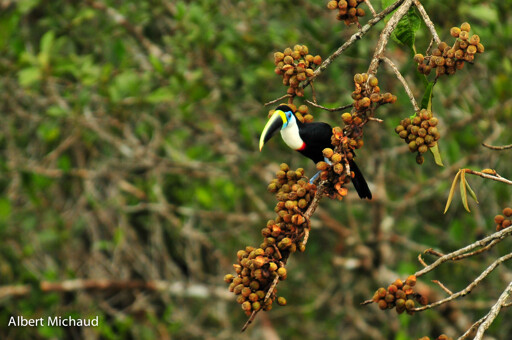
In 2023, Ecuadorians voted for a binding referendum to end oil drilling in the 43-ITT oil block in Yasuní National Park. In 2025, the Inter-American Court of Human Rights (IACHR) echoed the call in a ruling for the Ecuadorian state to do more to protect uncontacted Indigenous peoples whose territories overlap with the park. But nearly three years since the referendum, and a year since the court ruling, the Ecuadorian government has still not closed the 43-ITT block. Juan Bay, the president of the Waorani Nation (NAWE), whose ancestral territory overlaps with the park, recently traveled to the U.N. Permanent Forum on Indigenous Issues (UNPFII) in New York to denounce the lack of progress and express his frustrations with the state. The Aug. 20, 2023, referendum saw the majority of voters choose to halt all future oil drilling in Yasuní, which involved the closure of 43-ITT and the creation of a commission to oversee the implementation of the results. The government had one year to withdraw from the oil block, by August 2024, but there’s been little progress since then. Bay said only 10 out of 247 oil wells in the block have been shut down. “More than a year has passed [since the deadline] and the government is doing nothing to shut down that [operation] and leave the resource in the ground, which is the will of the Ecuadorian people,” Mariana Yumbay Yallico, a Waranka woman and member of Ecuador’s National Assembly, representing Bolívar province, told Mongabay at the…This article was originally published on Mongabay
From Conservation news via This RSS Feed.