

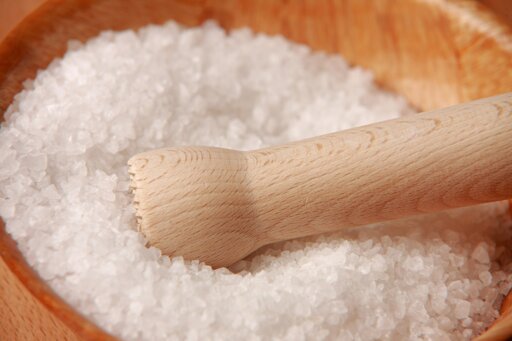
Iodine deficiency is often seen as a problem of the past, but this isn’t entirely true. During the 20th century, the iodization of salt became one of the most effective public health interventions for preventing conditions caused by a lack of this mineral, including goiter (enlargement of the thyroid gland) and preventable damage to neurological development.
From Earth News - Earth Science News, Earth Science, Climate Change via This RSS Feed.
I don’t think seaweed is the microplastic source we should be fixating on:
Since most animals eat plants, almost any problem you have at the plant level compounds or worsens at the animal level. Fish and “seafood” are the typical animal source of iodine, but they either eat algae, filter feed or eat animals who filter feed, so the microplastics accumulate. Generally, the lower down the food chain you eat, the fewer microplastics/heavy metals you’ll get.
About other animal based sources, land animals are not magical iodine producers, they also need to get it from their diet like us and are usually supplemented iodine. Just use some iodized salt for cooking, idk if it has different concentrations in the US but I’ve never heard a single person saying it tastes bad. Or eat some seaweed, the iodine is incredibly concentrated anyway and it probably has fewer microplastics than other dietary sources.
Source is Wikipedia:
True, avoid meat, or at least land meat! I do promote a pescatarian diet whenever possible.