

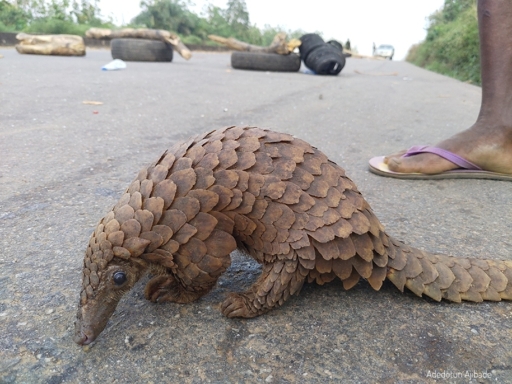
In recent years, spectacular seizures of illegally trafficked wildlife products, including consignments of ivory and pangolin scales weighing several tons, have provided plenty of evidence of Nigeria’s position as a hub for international trafficking rings operating across Africa, Europe and Asia. In October 2025, the country’s Senate passed a new bill to strengthen the country’s wildlife legislation. As the bill awaits the president’s signature, its supporters say the country now has the basis for stronger wildlife protection on paper, but the government will need to provide agencies with the resources, coordination and political backing to enforce the law. “This new bill addresses long-existing gaps in our legal framework,” the bill’s sponsor and vice chair of the environment committee in the House of Representatives, Terseer Ugbor, told Mongabay in September 2025. “The old law was riddled with ambiguities. It failed to specify whether its provisions applied only to international wildlife trade or also to domestic transactions.” Despite many headline seizures of illegally trafficked wildlife, including pangolin scales and ivory, these busts rarely result in prosecution of traffickers. Mongabay previously examined official records covering the decade from 2012-21 and found just 11 cases had gone to court — just three convictions were secured. In each case, those found guilty paid a fine equivalent to $240 to avoid a three-year jail sentence. In interviews with prosecutors, enforcement officials, campaigners and traders at wildlife markets at the time, Mongabay heard that in most cases, seizures of contraband were not followed by investigation; the same…This article was originally published on Mongabay
From Conservation news via This RSS Feed.