

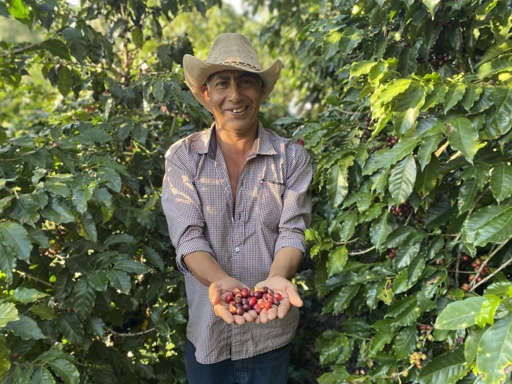
Reinerio Zepeda is 88 and for almost a century has made his living from arabica coffee, grown in the shade at his finca, or ranch, near Minas de Oro in central Honduras. “I love the peace up here, the trees and the birds,” he tells Mongabay by phone. Zepeda is one of the 98,000 coffee growers registered in the country, most of whom, according to recent data, own less than 3 hectares (7 acres) of land. Zepeda, like many of his neighbors, has been selling his coffee to intermediaries and is wondering what the next year will bring as he will need to meet several requirements to make his supply chain traceable. Starting January 2027, only farmers whose land wasn’t cleared after Dec. 31, 2020, will be able to send their commodities into the European Union, according to the EU Deforestation Regulation (EUDR). “I have heard something on TV about Europe being concerned about deforestation, but nobody has showed up here to explain it to me,” says Zepeda, adding he’s more worried about falling prices than the bureaucracy in Brussels. “I haven’t cut trees; that would be crazy because I need them to produce my coffee. Everybody can come up here and check.” More than half of Honduras’s coffee exports end up in the EU, representing about 5% of the national GDP. Domestically, the coffee industry generates more jobs than any other sector (1.1 million) and brings in more foreign exchange than any other economic activity. Around 120,000 smallholder families make a…This article was originally published on Mongabay
From Conservation news via This RSS Feed.