

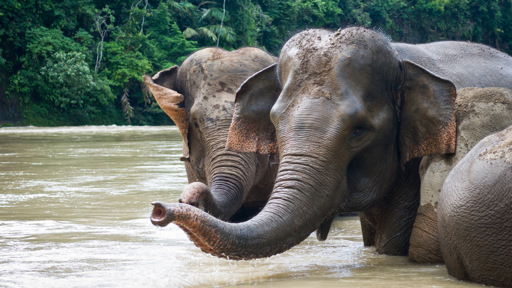
Protecting nature is still a struggle due to funding gaps that governments across developing countries are struggling to close. Indonesia is no exception. For instance, its national parks are chronically underfunded, receiving only about $5 per hectare ($2 per acre) per year, far below the estimated needs of around $18/hectare ($7.30/acre) per year. This long-standing shortfall has contributed to ongoing risks of degradation. While various financing innovations are being explored, no long-lasting solution has yet fully closed the gap, and searching for effective approaches is increasingly urgent. The Indonesian government has begun exploring ways to address this funding crisis, with officials arguing that national parks should become more financially self-sustaining rather than rely entirely on state budgets. To this end, the government will initiate programs such as carbon credits and premium tourism within national parks. One frequently cited pilot project is Way Kambas National Park (WKNP), one of the critical habitats for critically endangered species such as the Sumatran elephant, Sumatran tiger and Sumatran rhino. The government hopes these initiatives will strengthen conservation and provide economic benefits to surrounding communities. However, these programs are not without controversy. While the government presents them as innovative solutions, concerns appear about governance, transparency, and whose interests they ultimately serve. An investigative report by Tempo highlights the influence of politically connected actors and commercial interests, raising concerns that profit motives could outweigh stated goals such as strengthening conservation and benefiting local communities. Additionally, critics report that the planning process has lacked transparency, with some…This article was originally published on Mongabay
From Conservation news via This RSS Feed.