

https://media.blubrry.com/counterspin/content.blubrry.com/counterspin/CounterSpin260508.mp3
Right-click here to download this episode (“Save link as…”).

Media Matters (11/16/23)
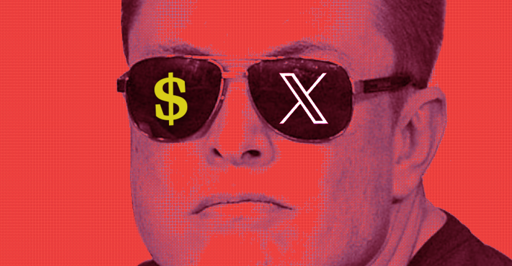
This week on CounterSpin: In 2023, the group Media Matters reported that social media platform X was placing ads for major brands like Apple and IBM alongside content touting Hitler and the Nazi Party—despite the claim of X’s CEO that brands are “protected from the risk of being next to” toxic posts on the platform.
Musk threatened a “thermonuclear lawsuit” against Media Matters for reporting the truth, and many in state and federal government were happy to take that work on. Three years and several court cases later, Media Matters announced victory in what wound up being Media Matters v. Federal Trade Commission. The case and the victory are not just hopeful but instructive, offering what the group calls a “roadmap” for other newsgathering and nonprofit organizations facing, or at risk of, government retaliation.
We hear about the case and the outcome from Media Matters president Angelo Carusone.
https://media.blubrry.com/counterspin/content.blubrry.com/counterspin/CounterSpin260508Carusone.mp3

Washington Post (4/19/23)
Also on the show: Since the Supreme Court overturned Roe v. Wade, the dominant method of abortion in the US has become mifepristone, particularly as it can be administered by telehealth, without the need for an in-office visit. But now Louisiana, which has a near-total abortion ban, sued the FDA over telehealth, and though it got support from a federal appeals court to block remote prescription, a visit by the drug’s makers to the Supreme Court led to a temporary stay on that. As the debate continues, we revisit a conversation we had a few years ago with Rachel K. Jones, principal research scientist at the Guttmacher Institute, who knows more than most about mifepristone.
https://media.blubrry.com/counterspin/content.blubrry.com/counterspin/CounterSpin260508Jones.mp3
From FAIR via This RSS Feed.