

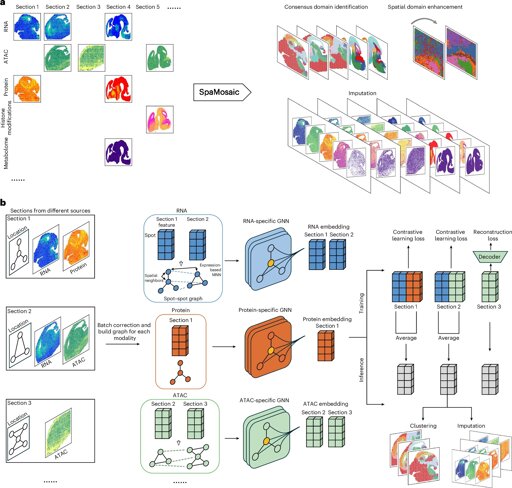
A new computational method could dramatically accelerate efforts to map the body’s cells in space, according to a study published in Nature Genetics. Spatial multi-omics technologies—often described as ultra-high-resolution maps of tissues—allow scientists to see not only which genes or proteins are active in a cell, but exactly where that activity occurs. That spatial context is critical for understanding complex organs such as the brain, immune tissues and developing embryos.
From Biology News - Evolution, Cell theory, Gene theory, Microbiology, Biotechnology via This RSS Feed.
You must log in or # to comment.