

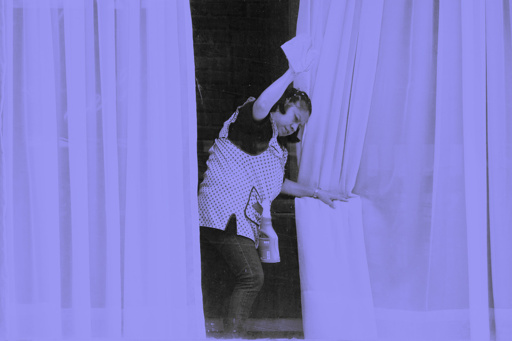
This article by Braulio Carbajal originally appeared in the May 6, 2026 edition of La Jornada, Mexico’s premier left wing daily newspaper.
Mexico City. In Mexico, unpaid domestic and care work is valued at 8.4 trillion pesos, equivalent to 23.9 percent of the Gross Domestic Product (GDP), according to data from the National Institute of Statistics and Geography (INEGI). This figure represents resources comparable to the financing of more than 30 World Cups or the cost of two editions like the one held in Qatar.
In a statement, the organization Espacio Mujeres para una Vida Digna Libre de Violencia (Women’s Space for a Dignified Life Free of Violence) pointed out that more than 72 percent of that value is generated by women in activities that are neither paid nor registered as formal employment. This set of tasks, which includes caring for children, the elderly, or the sick, is part of the daily functioning of the economy, although it remains outside of remuneration schemes.
The organization indicated that the distribution of these tasks is not equitable. Care work falls predominantly on women, impacting their time availability, income, and participation in the labour market. This situation translates into fewer opportunities and a persistent gap that cannot be explained solely by educational level or experience.
To this context, she added, is added violence. In Mexico, seven out of ten women have experienced some type of aggression throughout their lives, according to the National Survey on the Dynamics of Household Relationships (ENDIREH) by INEGI. A significant proportion occurs in the domestic sphere or in intimate partner relationships.
Globally, UN Women data indicates that 85,000 women and girls were intentionally murdered in 2023, 60 percent of whom died at the hands of their partner or a family member. This equates to 140 deaths per day, or one every ten minutes.
In addition to its social effects, violence has economic implications. It limits income generation, disrupts career paths, and reduces women’s options. The combination of unpaid care work and contexts of violence impacts productivity and economic development.
Marilú Rasso pointed out that the debate on a national care system must be addressed as an economic issue. “Recognizing the value of care, redistributing it, and guaranteeing conditions that allow women to fully participate in the economy is not only a matter of equity, but also of growth,” she stated.
-
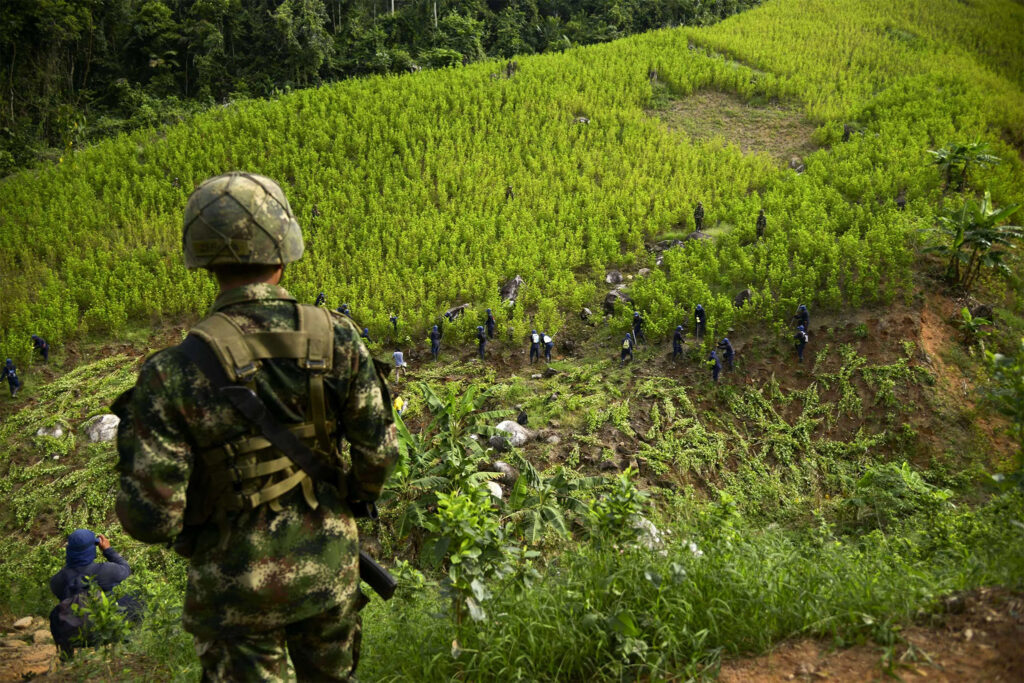
US Doesn’t Give a Shit About Drug Traffic
May 7, 2026May 7, 2026
US drug policy in Latin America is just a means to an end: dominance and control, an extension of their imperialist foreign policy, writes José Luis Granados Ceja.
-
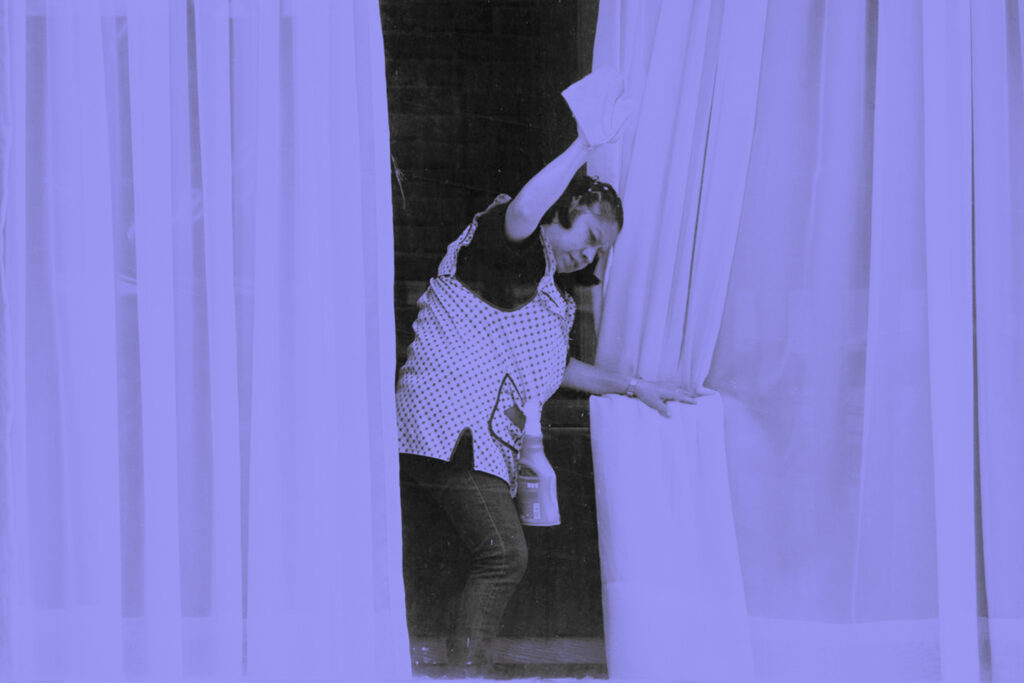
Unpaid Work in Mexico is Equivalent to Cost of 30 World Cups
May 7, 2026May 7, 2026
More than 72 percent of unpaid domestic and care tasks are performed by women; a core part of the daily functioning of the economy that remains outside of remuneration schemes.
-
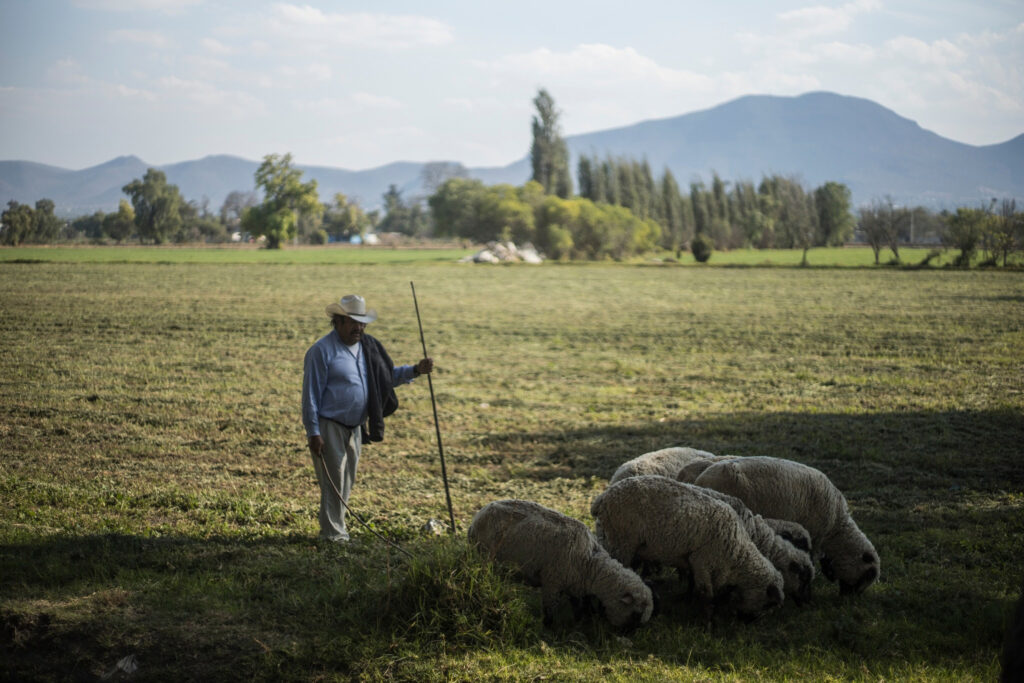
Restore Campesino Rights, Reject the USMCA
May 7, 2026May 7, 2026
José Jacobo Femat of the Central of Peasant & Popular Organizations, rejects the USMCA entirely, saying free trade agreements have effectively turned Mexico into a colony of US multinationals.
The post Unpaid Work in Mexico is Equivalent to Cost of 30 World Cups appeared first on Mexico Solidarity Media.
From Mexico Solidarity Media via This RSS Feed.