

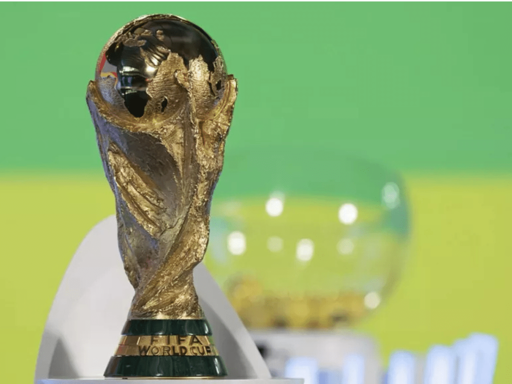

The World Cup is no longer just a competition held every four years. Throughout its history, which began in 1930, it has become a monumental record reflecting the evolution of the game itself. Prior to the 2026 edition, it had reached a remarkable milestone: 964 matches, representing the culmination of 22 tournaments.
With the 2026 World Cup approaching, the event is not only about the historic expansion to 48 teams, but also about a significant symbolic moment: this edition will witness the 1000th match in the tournament’s history.
A ball expands and numbers swell over time
Since the first edition featuring only 13 teams, the tournament gradually changed its structure until it settled at 16 teams from 1954 to 1978. It then expanded to 24 teams from 1982 to 1994.
The tournament reached 32 teams in seven consecutive editions from 1998 to 2022, before the 2026 edition witnessed the historic leap to 48 teams.
This gradual expansion wasn’t just organizational; it was directly reflected in the number of matches, which more than doubled, reaching 964 before the new edition.
Historical Record: 964 Matches, 731 Victories
Before the 2026 World Cup, the overall record of the tournament, which has seen 964 matches played, shows 731 wins and 233 draws.
In recent times, some editions have boasted the highest win rates. The 2022 Qatar edition holds the record for the most wins, with 49. That’s just one more than the 2018 Russia edition, the 2006 Germany edition, and the 1998 France edition, which all recorded 48 wins.
2026 World Cup: The 1000th Match Bears the Name of Tunisia and Japan
At the heart of the upcoming 2026 World Cup in the USA, Canada, and Mexico, specifically within Group F, the tournament will witness a historic moment: the 1000th match in World Cup history. This will take place in the 36th match, between Tunisia and Japan, during the second round of the group stage.
This match holds more than one meaning: it becomes a milestone in the tournament’s history, separating two eras; the period before the first millennium and the dawn of the second.
However, reaching the 2000th match in World Cup history will require, at the current pace of the tournament, approximately 10 more editions of the World Cup, meaning the next milestone will not be reached for another 40 years.
Featured image via the Canary
By Alaa Shamali
From Canary via This RSS Feed.