

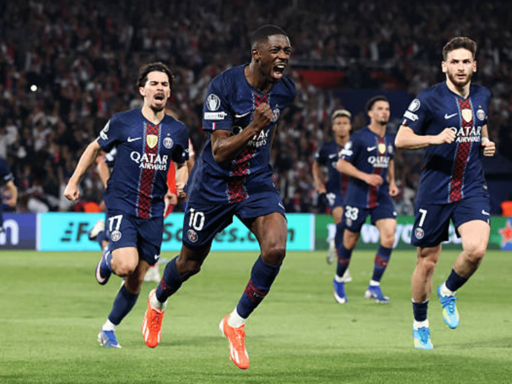

Paris Saint-Germain (PSG) held on for a 1-1 draw at the Allianz Arena to win the semi‑final 6-5 on aggregate. This result booked a Champions League final with Arsenal. Ousmane Dembélé’s early strike inside three minutes changed the dynamic immediately. Consequently, Bayern had to chase the game from the outset.
PSG’s defensive discipline
PSG retreated into a disciplined defensive block, cutting Bayern’s usual space between the lines and inviting the hosts to try to break them down through patient possession rather than frantic pressing. Manuel Neuer was tested, but the real work came from PSG’s midfield and full‑backs who neutralised Bayern’s most dangerous runners.
Bayern’s best moments were intermittent; more was expected after the performance in the first leg. The home side probed without finding a consistent rhythm. Chances were scarce and often forced. When opportunities did arrive, PSG’s goalkeeper and defenders were alert enough to keep the aggregate advantage intact. Ultimately, Bayern looked short of the cutting edge that had produced five goals in Paris a week earlier.
Controversial decisions mattered
Refereeing calls were a clear flashpoint for the home side. Bayern felt Nuno Mendes should have been sent off for a deliberate handball while already booked. Joao Neves appeared to handle in the box after a clearance. Both incidents were judged differently by the referee. A red card and or a penalty would have swung momentum and possibly the tie.
Bayern did not capitulate. They pushed late, and in the fourth minute of stoppage time Alphonso Davies’ delivery found Harry Kane. Kane smashed a left‑footed finish into the roof of the net. It was a superb strike, but arrived with the clock expired for meaningful recovery. PSG’s players and bench held their shape. The final whistle confirmed the aggregate scoreline.
What it means
This tie underlined PSG’s balance between attack and control. They could score early and then manage a game under pressure. This is a hallmark of teams that go deep in Europe. Bayern will rue missed chances and the inability to unsettle PSG’s structure long enough to overturn the deficit.
Dembélé scored in the 3rd minute; it took Bayern almost the whole game to wait for Kane’s late goal which was a consolation; two major refereeing incidents have influenced the narrative, because on a different night PSG would have ended the game with 10 men.
For Bayern Munich, there will be questions. A team that can score five in Paris still struggled to find rhythm at the Allianz Arena. The late surge and Kane’s stoppage-time finish underline Bayern’s character, but they also expose a recurring issue, breaking down low, organised blocks. Tactical tweaks, sharper transitions, and more invention between the lines will be essential if Bayern are to translate domestic dominance into European success next season.
The managerial battle
Luis Enrique’s game management, substitutions, tempo control, and defensive organisation, was the quiet engine of PSG’s progression. Bayern will reflect on decisions and moments that might have changed the tie. These include marginal calls, timing of substitutions, and the need for greater unpredictability in attack.
Reaching the final against Arsenal promises a different test. Arsenal’s pressing and positional fluidity will probe PSG in ways Bayern did not. The final will hinge on which side imposes its style early. For PSG, it is about maintaining composure and converting moments; for Arsenal, it is about seizing initiative and unsettling PSG’s structure.
Featured image via the Canary
By Faz Ali
From Canary via This RSS Feed.