

Techy Arab
This article was republished from https://techyarab.substack.com/ in its entirety. No changes were made to its content. We encourage you to subscribe to this substack in order to support the author.
Before we start, I’d like to give an honorable mention to self-hosting. Every app stores your data on company servers—hence hosting your own server (even on a spare laptop) is the gold standard for protecting your privacy.
I used Qwen to walk me through my first self-hosting setup. If I can do it, you can too.
Now whether you self-host or not, ordinary people (especially activists) need a framework for choosing apps. Here are the key criteria to consider the next time you evaluate an app.
Level 1 (best):
- Outside Western jurisdiction: based in a country that refuses US/EU demands and surveillance cooperation (think China/Russia/Iran)
- Open source (publishes its codebase online so the community can sniff out vulnerabilities and verify how user data is handled)
Level 2 (second-best):
- Based in a non-cooperative country
- Not open source
Take WeChat: it operates under Chinese law and may collect more data than open-source apps, but the chances of that data being shared with Western governments are near zero. Your activism against imperialism is far less likely to be weaponized against you.
Level 3 (third-best):
- Based in jurisdictions that regularly comply with Western demands
- Open source
Take Swiss service Proton: they may not have access to email content because of end-to-end encryption, but they hand over data like payment info, recovery emails, and IP logs to Western government agencies.
Level 4 (worst):
- Based in a jurisdiction complying with Western demands
- Not open source
Now that’s truly a double-whammy. Not only are you unsure how your data is being processed, but they’ll be complying with subpoenas left and right.
App Recommendations
Who do I look like, not giving you apps to explore? This is reading AND hands-on.
Maps
- Organic Maps (open-source community project, best for privacy, but still maturing)
- Petal Maps (by Huawei)
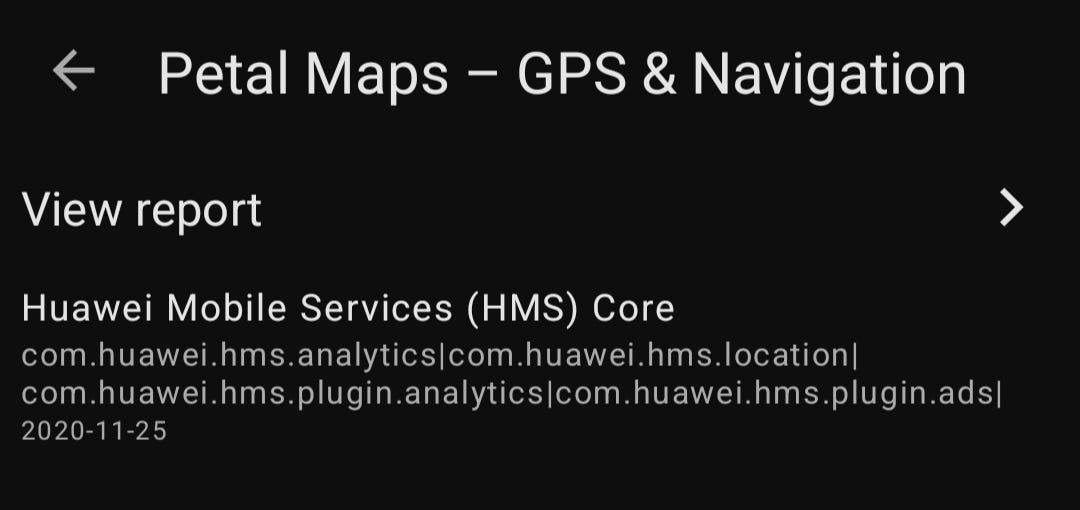
Petal Maps is feature-rich and polished, has minimal trackers/permissions, and works offline.
According to its tracking report on the Google Play/Aurora Store, it has exactly one tracker (its own, no third parties), and requires 39 fairly reasonable permissions.
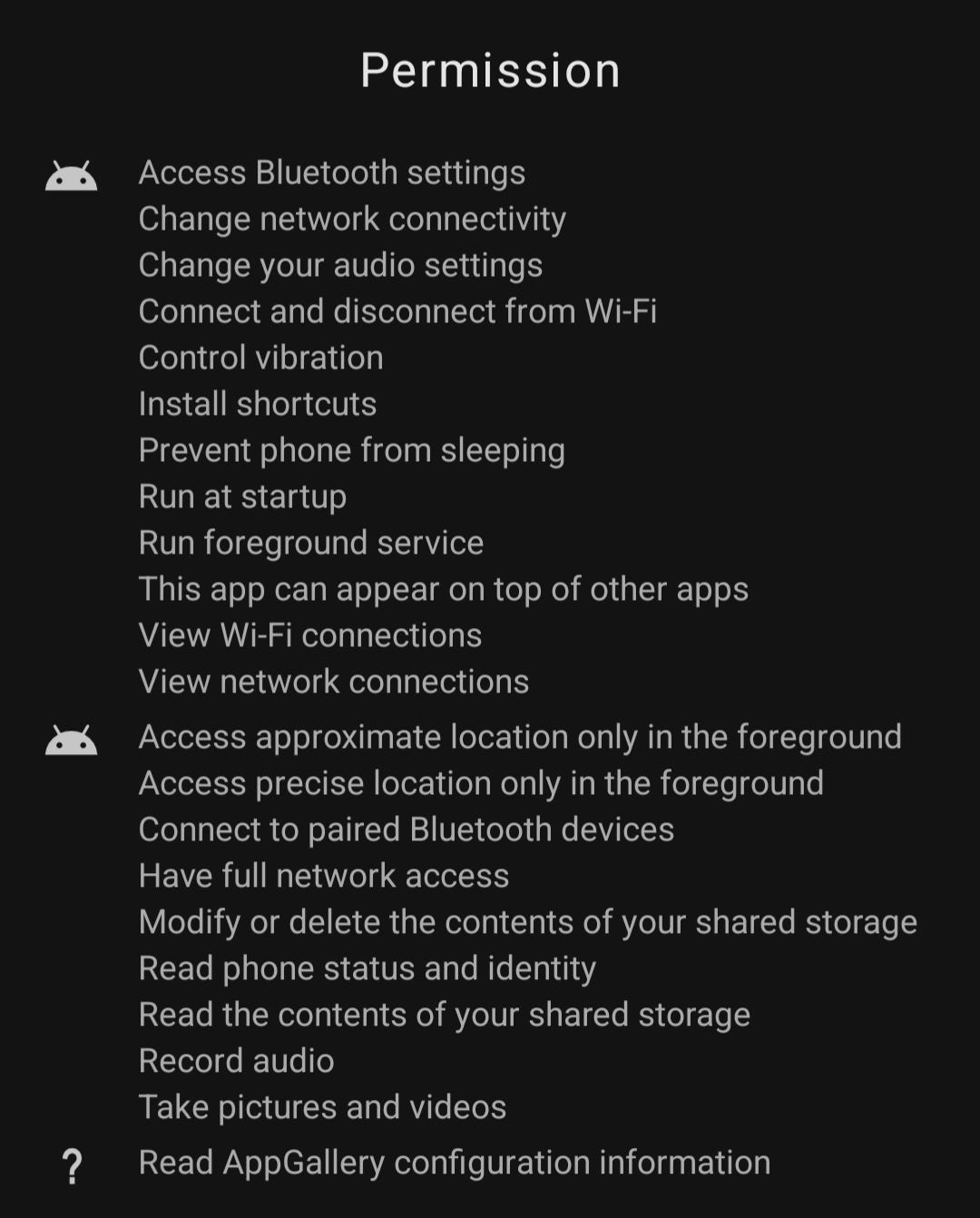
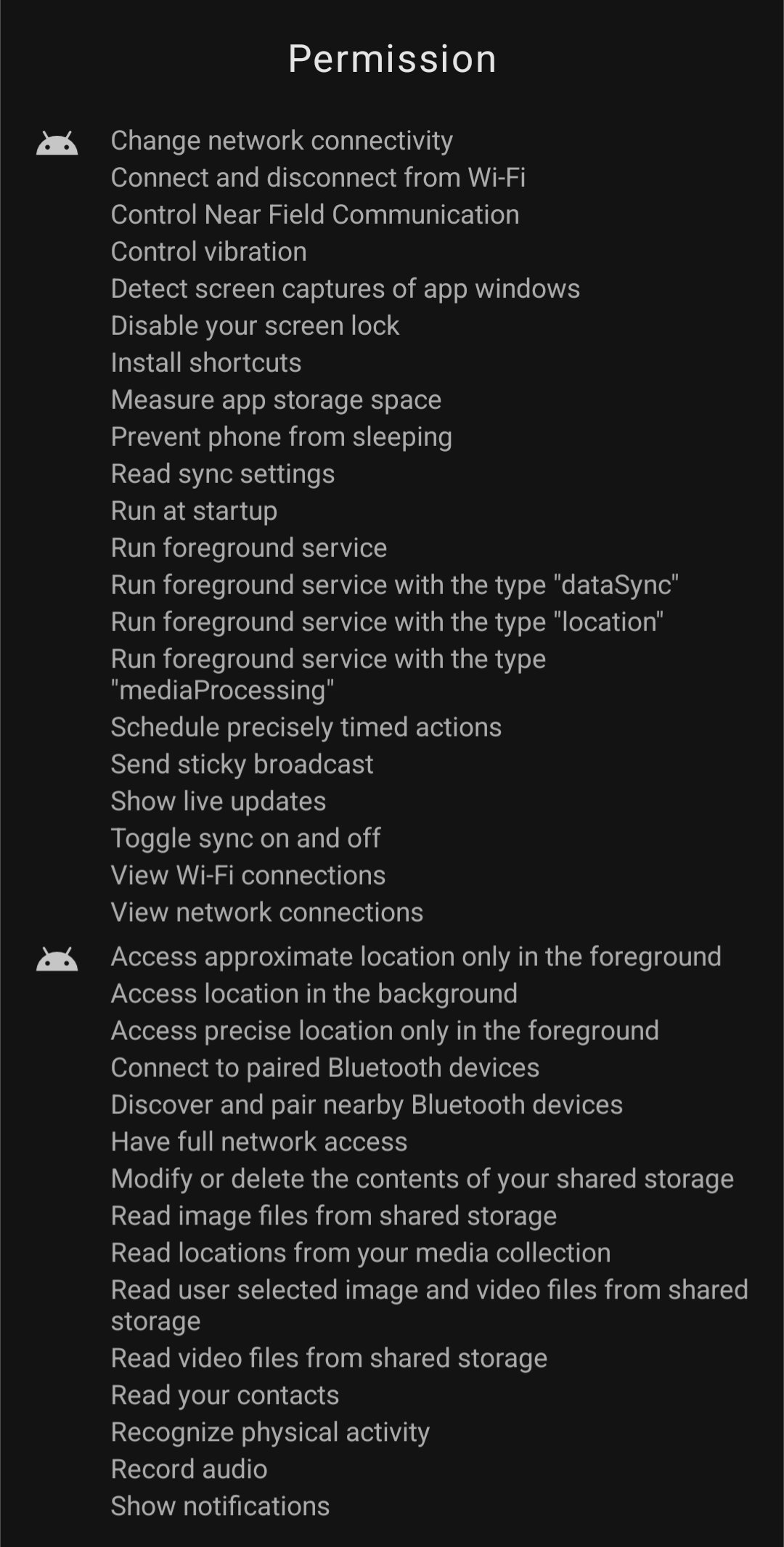
Compare that to Google Maps’ extensive permissions: background location tracking, unrestricted contact access, media scanning, and system-level permissions that go far beyond navigation.
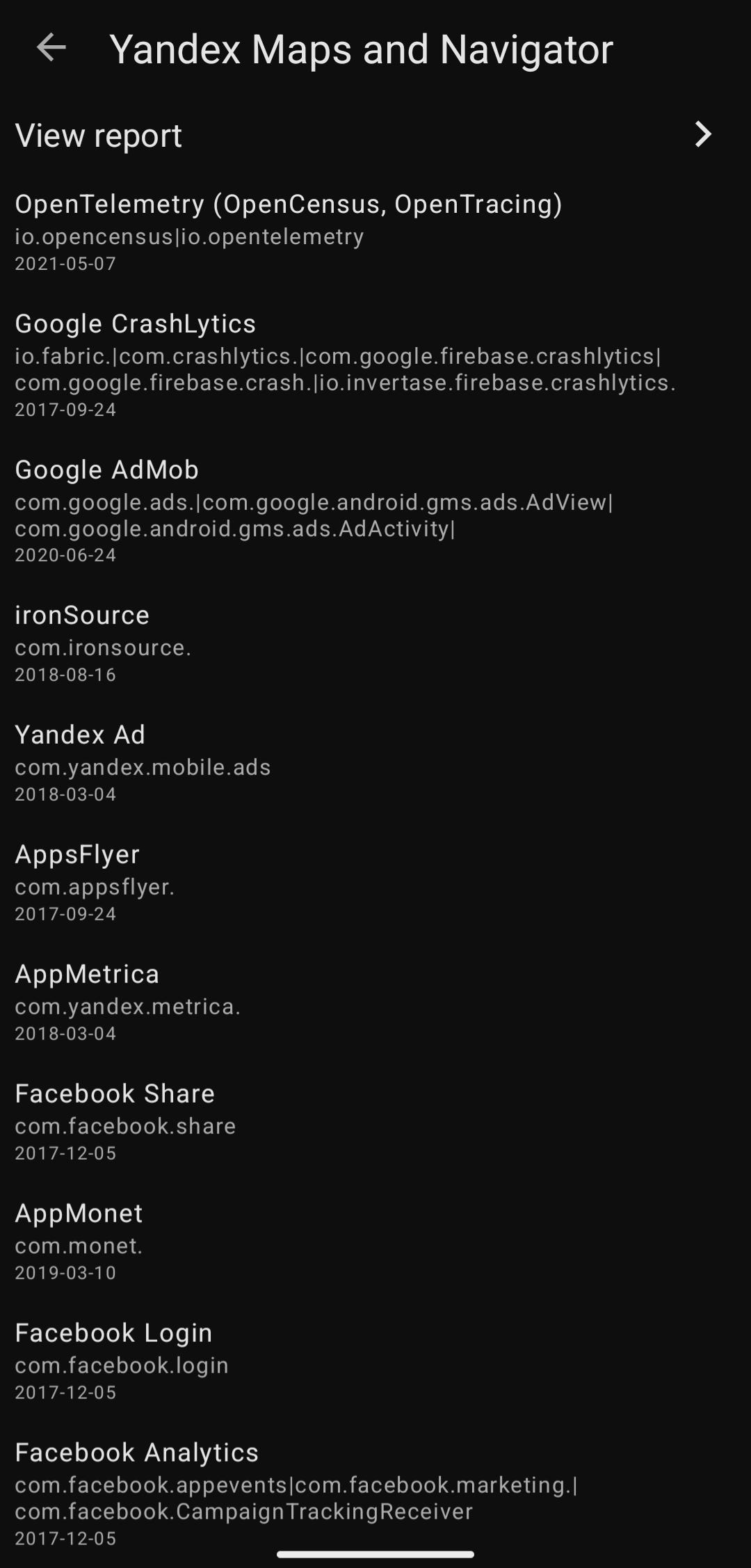
Or consider Yandex Maps: despite being Russian, it’s packed with big-tech trackers.
Your Turn
Now you have the framework:
- Jurisdiction (outside US/EU?)
- Code: open source or proprietary?
- Trackers/permissions: are they minimal and reasonable?
Go get ’em, tiger.
This article was republished from https://techyarab.substack.com/ in its entirety. No changes were made to its content. We encourage you to subscribe to this substack in order to support the author.
From Vox Ummah via This RSS Feed.