

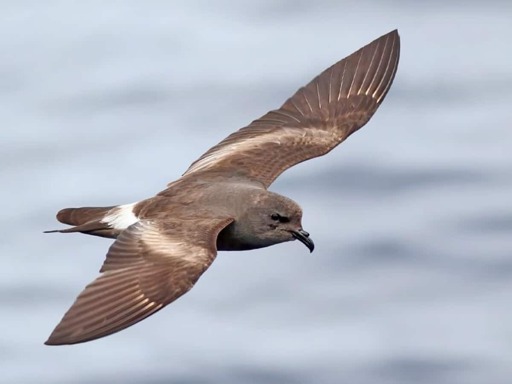

A rare, red-listed seabird is being put at risk by Scotland’s controversial guga hunt. That’s according to new evidence which campaigners obtained through a Freedom of Information request.
Advocacy group Protect the Wild obtained documents showing that NatureScot officials expected the guga hunt to cause unavoidable disturbance to several protected bird species during the breeding season. These include the red-listed Leach’s storm petrel.
Being on the red list means a species is at the highest level of conservation concern. Leach’s storm petrels are classified as red-listed on both the UK’s Birds of Conservation Concern and the global International Union for Conservation of Nature’s Red List of Threatened Species, meaning they are vulnerable to global extinction.
The probable reasons for their decline include climate change, predation, light pollution causing fatal collisions and plastic ingestion.
The Northern isles of Scotland are the only place where they breed in the UK, with St Kilda home to approximately 94% of the country’s breeding population.
The other 6% breed on remote offshore islands like Sula Sgier, where the guga hunt takes place.
The guga hunt involves gannet seabird chicks (known as guga) being killed and eaten as a local delicacy. Hunters travel from the Isle of Lewis to Sula Sgier every year. They capture the birds, who are yet to fly, from the cliffs where their nests are.
It can only happen if Scotland’s nature agency, NatureScot, gives a licence for it.
Guga hunt can be lethal to non-target birds
Documents which Protect the Wild obtained showed NatureScot officials stating the guga hunt could have lethal consequences for birds like Leach’s petrels, who “are sensitive to human disturbance”.

They note the hunters and their equipment can block access to burrows, disrupt feeding and cause stress and disorientation. All this potentially leads to adults abandoning their nests and chicks dying. Importantly, officials say these impacts are unavoidable, even with mitigation measures in place.
Campaigners have criticised NatureScot’s decision to continue licensing the guga hunt despite acknowledging these risks.
Devon Docherty, Scottish campaigns manager at Protect the Wild, said:
NatureScot’s job is to protect nature and wildlife – not to permit its destruction. They can’t continue to claim the guga hunt is sustainable while ignoring the wider ecological damage.
Gannets are not the only birds who suffer for this cruel activity – threatened animals like the Leach’s storm petrel are being disrupted during their most vulnerable and critical life stage.
How a nature agency could knowingly sanction further harm to a red-listed species is indefensible. This is not conservation. It is a contradiction of the very purpose NatureScot exists to serve.
Protect the Wild’s petition calling on NatureScot to end the guga hunt has gained over 160,000 signatures.
Featured image via the Canary
By The Canary
From Canary via This RSS Feed.