

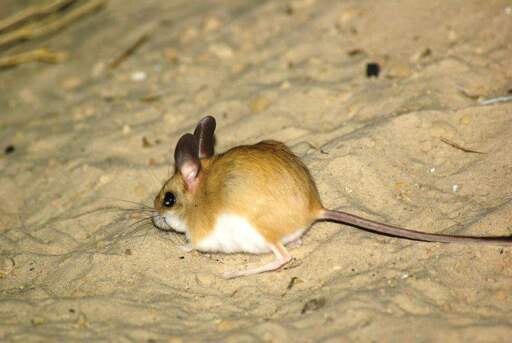
Researchers have for the first time assessed the extinction risk of soil-dependent animals, invertebrates and fungi. They found that some 40% of these species are either threatened or data deficient on the IUCN Red List, according to a recent study. Soil hosts nearly 60% of life on Earth. These species are key for biogeochemical cycles, climate regulation and other ecosystem services. Yet, their risk of extinction is largely unknown, the study authors say. To better understand how soil-dependent species are faring, the researchers first established a working definition of what species are “soil-dependent.” They found that 8,653 species on the IUCN Red List satisfy their definition: species that “spend a key part of their life cycle within a soil profile or predominantly inhabit the soil-litter interface.” The list includes terrestrial vertebrates, invertebrates like arthropods and mollusks, and fungi. However, plants weren’t included in the analysis. Neil Cox, study co-author and manager of the IUCN and Conservation International biodiversity assessment unit, told Mongabay by email that plants were excluded because nearly all plants are soil-dependent. Including them in the analysis would turn the review into one about the extinction risk of plants, he said. Of the species they examined, more than 20% are listed as threatened with extinction and another 20% are data deficient, meaning there isn’t enough information to determine their conservation status. Some 35 soil-dependent species are classified as extinct. Most of them used structures like burrows for an important part of their life stages, Cox said. For…This article was originally published on Mongabay
From Conservation news via This RSS Feed.