

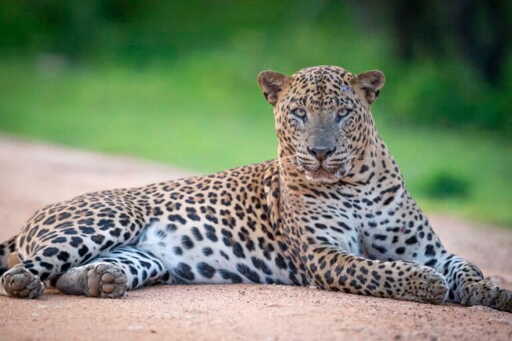
Yala National Park, Sri Lanka’s most famous wildlife destination, is facing a conservation crisis as overcrowding and speeding safari jeeps increasingly threaten its wildlife, particularly its famed leopards, reports Mongabay contributor Kamanthi Wickramasinghe. Block I of the park, which boasts of one of the world’s highest leopard densities at one animal per square kilometer (2.6 per square mile), attracted nearly 390,000 visitors in the first half of 2025 alone, generating more than $5 million in revenue. Milinda Wattegedara, a wildlife photographer and co-founder of the Yala Leopard Center, attributed the escalating visitor pressure in the park to a social media boom and improved mobile reception, which allow drivers to quickly alert others of sightings, frequently resulting in “leopard jams.” Leopards in Block I have become habituated to humans and vehicles, Wattegedara added, but this proximity has often proved dangerous. Past vehicle strikes have claimed the lives of a young leopard and a jungle cat, and a prominent male leopard named Lucas recently made headlines after a close encounter with a safari vehicle. “Usually, when a safari jeep is close to an animal, jeep drivers have been advised to switch off the engine,” Ravindra Kumar, Yala National Park warden, told Mongabay. “But this driver had turned on the engine, and it had scared away the animal. However, Lucas was spotted the following night near Yala junction, the animal’s usual territory, and is in good health.” To address the challenges of speeding and other unethical driving behavior in Yala, the Department of…This article was originally published on Mongabay
From Conservation news via This RSS Feed.