

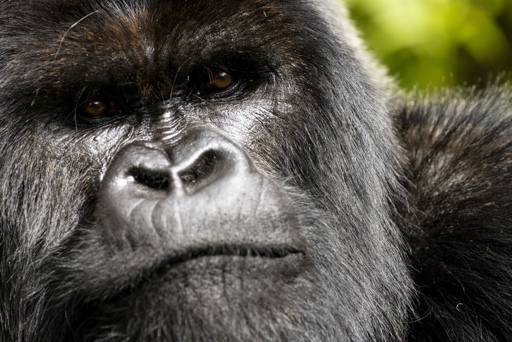
“That might be something that you see in a decade, not in two years of filming,” Tara Stoinksi, CEO of the Dian Fossey Gorilla Fund, tells me. The behavior she’s referring to occurs in mountain gorilla groups, such as a “dominance transfer,” where a younger male silverback takes over leadership from an older male, and infanticide, where an outsider or ostracized gorilla kills the offspring of a new mother within the group. The former of these was captured on camera within days of filming for the new Netflix documentary A Gorilla Story: Told by David Attenborough. Stoinski joins the Mongabay Newscast to discuss her role as a scientific adviser on the years-long project, the rarity of the behaviors captured on camera, and her thoughts on gorilla conservation in the Greater Virunga Landscape of Rwanda, Uganda and the Democratic Republic of Congo. “These gorillas now live basically in a small island of forests surrounded by some of the highest rural human population densities in Africa,” Stoinski says while discussing conservation challenges for mountain gorillas. Filming for the documentary took place in Rwanda, where the pressures and challenges mountain gorillas face differ from those in Virunga National Park in the neighboring DRC. Threats to gorillas in the latter include armed conflict, poaching, logging, and hunting for the wild meat trade. Stoinski says that within Rwanda’s Volcanoes National Park, where the documentary was filmed, the threats are different. “Climate change is an issue for the gorillas … also, climate change affects the people…This article was originally published on Mongabay
From Conservation news via This RSS Feed.