

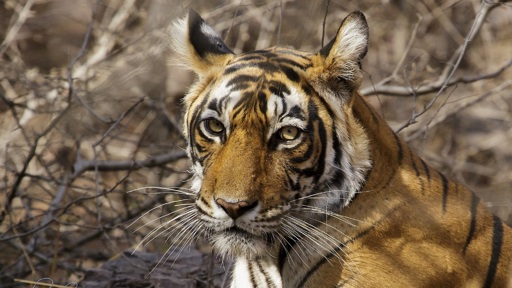
With just the click of a button or a swipe on a phone, it’s possible to buy almost anything online, including rare or endangered animals. From quirky shark trophies to exotic live birds, contraband rhino horns or ivory, buyers can flock to e-commerce platforms and find them all. Traffickers hide behind their screens while profiting from online sales of protected species as these animals dwindle in the wild. “It’s the largest wildlife market,” said wildlife trade researcher Chris Shepherd from the Center for Biological Diversity. “It’s easy, it’s convenient; you can operate anonymously from the comfort of your home. You don’t have the expenses of setting up a shop.” Online commerce in illicit wildlife products continues to grow, involving more species and wider geographies. It’s an illicit industry run by kingpins with well-connected networks, and it’s hard to prosecute. Catching online criminals is extremely challenging. “Wildlife markets have moved from physical locations into online locations, and that’s mirroring broader trends in the global economy,” said Simone Haysom, director of environmental crime programs at the Swiss-based organization Global Initiative Against Transnational Organized Crime. In a recent report, Haysom and her colleague Russell Gray analyzed online wildlife trade data from April 2024 to March 2026. They focused on 10 countries across three continents, places where environmental crime and internet use are high, making them fertile grounds for online wildlife trafficking. They found some 266,535 wildlife products posted on 61 online marketplaces, worth about $66 million. About 75% of the nearly 22,000 ads…This article was originally published on Mongabay
From Conservation news via This RSS Feed.