

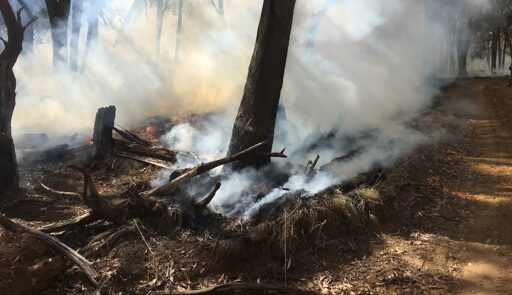
Some of the most serious threats to our forests do not arrive with smoke or headlines. They move quietly, through bark and new growth, weakening ecosystems long before we notice. Without sustained attention, our unique flora and fauna remain vulnerable. Tree health is often treated as a niche technical issue, but it is also a question of ecological resilience, public health, and how well communities adapt to a hotter, more disturbed world. Devastating bushfires are reshaping Australia’s landscapes and ecosystems, and climate change is accelerating species loss. But there is a quieter threat with ecological, economic and human consequences. Alongside fire and drought, microscopic pests and pathogens are spreading through forests and urban canopies, thinning tree cover, weakening ecosystems, and leaving them more vulnerable to the next shock. Most of us appreciate the comfort of a shady tree on a hot day, and we’ve heard that the Amazon rainforests are the lungs of the planet. Yet many people underestimate the importance of healthy tree populations and how closely they are tied to our physical and mental health. The road to forest health, like this track through K’Gari rainforest, begins with vigilance, early detection, raising awareness, and working with those closest to the landscape to identify outbreak risks and track impacts over time. Image courtesy of Michael Reid. In his new book Nature and the Mind, Marc Berman, professor of psychology at the University of Chicago and director of the Environmental Neuroscience Lab, draws together evidence on how nature supports cognitive,…This article was originally published on Mongabay
From Conservation news via This RSS Feed.