

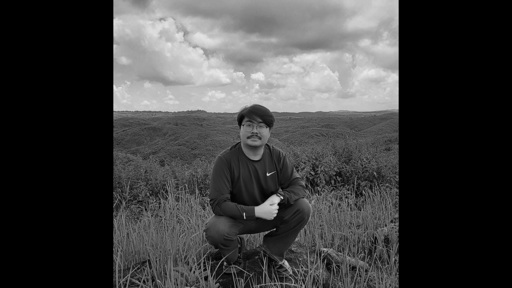
RJ Nichole Ledesma’s journalism returned again and again to land: who worked it, who owned it, who was pushed from it, and what happened when projects planned elsewhere arrived in villages with little warning. In Negros, an island shaped by sugar plantations, labor struggles and long conflict, he reported from places where environmental change was not an abstraction. It appeared as proposed energy projects on agricultural land, a hydropower venture, a palm-oil plantation, or reclamation along a coast where fisherfolk made their living. He was 30 when he was killed on April 19th during a Philippine Army operation in Toboso, Negros Occidental. The military said the operation targeted suspected rebels of the New People’s Army and left 19 people dead. The Committee to Protect Journalists, citing news reports and the Altermidya Network, said Ledesma was a writer and editor at Paghimutad-Negros and had been reporting on the effects of renewable-energy projects. Altermidya and Human Rights Advocates Negros said he was not at the initial clash site, but in a separate community during a military pursuit operation. The army disputed accounts that some of those killed were civilians. The circumstances of his death remain contested. The shape of his work is easier to see. RJ Ledesma. Photo via Altermidya Ledesma came to journalism through campus reporting at the University of St. La Salle in Bacolod, where he studied psychology and became editor-in-chief of The Spectrum. There he learned the practical habits of reporting: listening, checking, documenting, and standing by a story…This article was originally published on Mongabay
From Conservation news via This RSS Feed.