

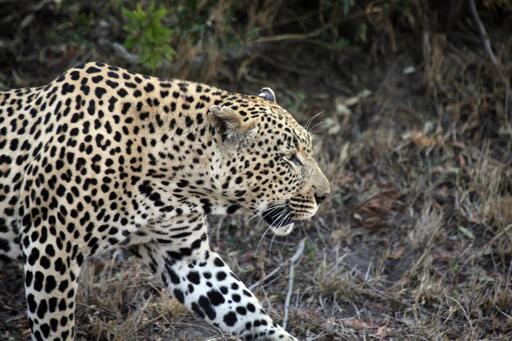
Leopards are the most widespread of the big cats, but their range across Asia and Africa is shrinking. In many places, so are their numbers. Recent Mongabay coverage of leopards (Panthera pardus) revealed a global trade in leopard trophies and body parts, but also more hopeful signs, such as leopards persisting on the edge of Bengaluru, one of India’s largest cities. For International Leopard Day on May 3, we look back at Mongabay’s reporting on leopards in three regions. African leopard Researchers have estimated that Zambia’s Kafue National Park now has one of the highest leopard densities in Southern Africa, likely because of improved law enforcement, reported Mongabay contributor Ryan Truscott. In West Africa, the situation is more dire. The West African leopard, a genetically distinct population found across 11 countries, is now considered endangered by the IUCN, the global wildlife conservation authority. The population has declined by 50% over the past two decades, and only about 350 mature individuals remain, reported Mongabay’s Elodie Toto. “In Africa, the leopard is not doing too badly, but in West Africa it’s a different story,” said Robin Horion from U.S.-based wildcat conservation NGO Panthera. Javan leopard The Javan leopard (P. pardus melas) is the last surviving apex predator on the Indonesian island of Java. With an estimated wild population of around 350, it’s classified as an endangered subspecies, threatened by hunting, habitat loss and the loss of prey. In West Java province, Indonesian authorities earlier this year detained five people in connection with…This article was originally published on Mongabay
From Conservation news via This RSS Feed.