

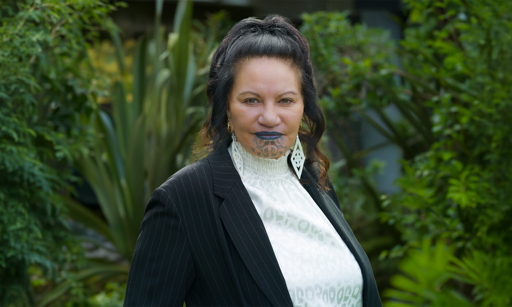

“If ever there was a time for Māori to stand up and exercise their democratic rights, it’s now,” writes Waylyn Tahuri-Whaipakanga, who is CEO of Te Taiwhenua o Heretaunga, one of the country’s largest social service providers.
Anzac Day commemorations for another year may be over, but a challenge remains, writes Waylyn Tahuri-Whaipakanga — to honour those who served, by showing up to vote.
For te ao Māori, Anzac Day is a reminder of a promise. A promise that sacrifice would be met with full citizenship, equal standing, and a fair share in the nation’s decisions.
The 28th Māori Battalion answered that call with extraordinary service.
When the Second World War was declared, close to 3,600 Māori enlisted in the 28th Māori Battalion. Their courage came at a devastating cost — 649 lives lost, 1,712 wounded, and 237 taken prisoner. As Lieutenant‑General Bernard Freyberg later observed: “No infantry battalion had a more distinguished record, or saw more fighting, or, alas, had such heavy casualties as the Māori Battalion.”
That record of sacrifice was intentionally mobilised. Sir Apirana Ngata helped lead the Māori war effort and framed it as “the price of citizenship”. This reflected his belief that Māori service and sacrifice — as carried by individuals, whānau, and communities — would be met with respect, equality, and real power in the life of the nation.
But that bargain was never fully honoured. After the war, colonisation continued, through ongoing land loss, the marginalisation of te reo Māori and cultural practices, and monocultural systems that locked in deep social inequities for generations.
Voter participation is a stark example. After generations of being ignored, managed, or legislated over, many Māori have grown distrustful of parliament and cynical about politics, and some have opted out altogether.
At the last election, nearly 170,000 Māori did not vote, which is close to 30 percent of Māori voters. By comparison, around 22 percent of Pākehā did not vote.
If ever there was a time for Māori to stand up and exercise their democratic rights, it’s now. This year’s election will be tightly contested, and those 170,000 votes could decide who governs.
Te Taiwhenua o Heretaunga will be encouraging, cajoling, and pushing our people to register and vote. Last week, we hosted a wānanga for rangatahi. Of the 34 who attended, 21 left as newly registered voters. We’ll be ramping up similar campaigns right up to the voter registration deadline of October 25.
So, if you need motivation to enrol and vote, take it from Anzac Day. Those who served didn’t lay their lives on the line so we could sit out the decisions that shape our whenua, our whānau, our future. This election day, don’t hand your power away. Enrol, turn up, and vote. Don’t just remember the sacrifices of our tīpuna, repay them by voting.

Participants in the Oranga Kōkiri Rangatahi wānanga held on site at Te Taiwhenua o Heretaunga. At the hui, 21 of the 34 rangatahi registered to vote. (Image supplied)
Waylyn Tahuri-Whaipakanga is the CEO of Te Taiwhenua o Heretaunga, one of the country’s largest social service providers. The Hawke’s Bay organisation has more than 300 staff delivering 80-plus services in health, housing, and cultural, environmental, and economic development.
The post The unredeemed price of citizenship appeared first on E-Tangata.
From E-Tangata via This RSS Feed.