

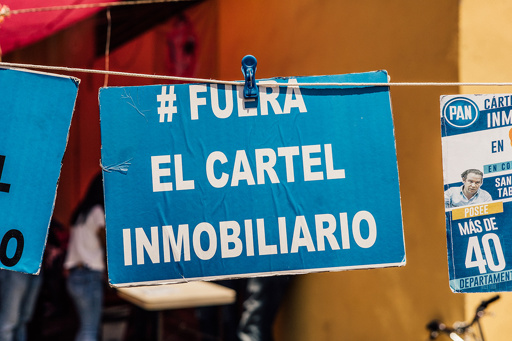
This article by Ivan Ortiz originally appeared in the May 2, 2026 edition of El Sol de México.
Various housing groups and specialists consulted by El Sol de México point out that the constitutional reform on Fair, Affordable and Reasonable Rents, presented by the head of Government, Clara Brugada Molina, is insufficient on its own to combat gentrification in Mexico City during the 2026 FIFA World Cup.
“These changes to the Constitution may help, but they won’t be enough to combat the gentrification caused by the World Cup. There’s already an industry that will capitalize on the event, with Airbnb-style accommodations, for example. After the World Cup, it will be very difficult to find affordable housing in high-demand areas,” explained Alejandro Larios, director of Conversasur, a group of researchers in urban development, the environment, and housing.
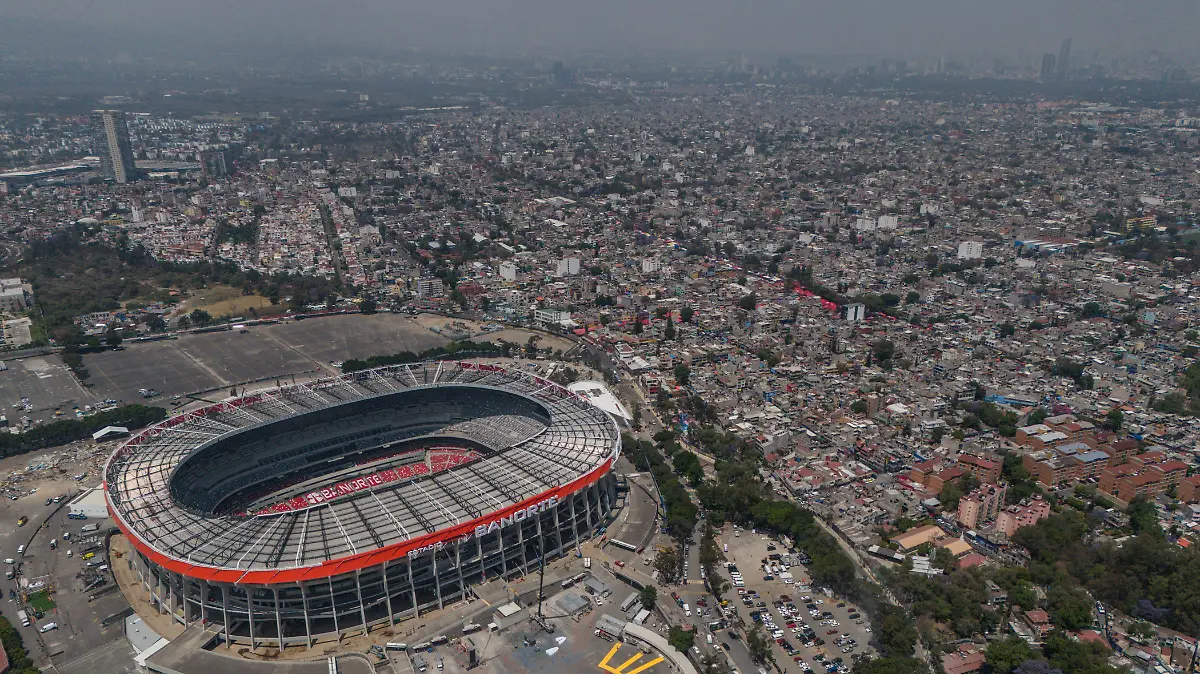
Natalia Lara, a member of the Neighborhood Assembly Against Megaconstructions in Tlalpan and Coyoacán, warned that rent increases are already being recorded near the Banorte Stadium (formerly Azteca Stadium) and a proliferation of Airbnb-type spaces.
“In Santa Úrsula Coapa, rent has doubled compared to last year. Before, it was between seven and eight thousand pesos. Today, it’s between 17 and 18 thousand pesos per month. In other neighborhoods, like Bosque de Tetlameya, we’re already seeing signs that say: houses for rent for the World Cup,” he said.
In July 2025, the mayor announced the Fair Rents Act initiative, as part of the 14 commitments of Bill 1, a set of measures to combat gentrification in the capital.
However, on April 22, Brugada Molina presented only one constitutional reform. The Fair Incomes Law, she explained, would be presented later as a second step, without specifying dates.
“There was probably pressure from real estate companies to prevent the law from being presented. But nine months after its presentation, none of the promises of the first phase have been fulfilled,” commented Eduardo Alanís of the Anti-Gentrification Front.
Arturo Aparicio, a lawyer specializing in housing, pointed out that since it is a constitutional initiative, it will not be submitted to the Plenary of the Mexico City Congress until September, when the next legislative period begins.
“Since it won’t be approved until then, fair rent protections are being postponed until the World Cup . A priority initiative could have been presented, but it wasn’t. By the time the vote takes place, there will already be even more speculation on land.”
“It’s documented how the World Cup exacerbates gentrification. A protocol against evictions and the regulation of short-stay platforms are urgently needed,” Eduardo Alanís pointed out.
The arrival of the World Cup this June means the arrival of thousands of foreigners and an increase in properties for residential tourism, such as Airbnb.
“It’s important to implement the Airbnb host registry before the World Cup to track the number of hosts and any changes. And to create a direct line of communication with the authorities to report arbitrary rent increases,” says Natalia Lara, of the Neighborhood Assembly Against Megaconstructions in Tlalpan and Coyoacán.
The 2018 scientific article Airbnb and the rent gap: Gentrification through the sharing economy warns that this platform causes the displacement of locals, as they are forced to pay rents and services set by a global demand instead of a local one.
However, these cases are not mentioned in the Fair Rents reform. Instead, it raises the right to remain in one’s neighborhood and states that the city government must mitigate the effects of gentrification.
To this end, it is proposed that the land reserve of the Mexico City government be permanently expanded and that rent for residential properties not be increased annually by more than the annual inflation rate. The initiative also includes the creation of an Office of the Ombudsman for Tenants’ Rights.
While they acknowledge that the creation of this body is a step forward, the groups and specialists agree that most of the points of the reform were not necessary, as they are already covered in other instruments.
“The rent cap with respect to inflation has been in the Civil Code for two years now, for example,” Eduardo Alanís pointed out.
-
Labor | May Day | News Briefs
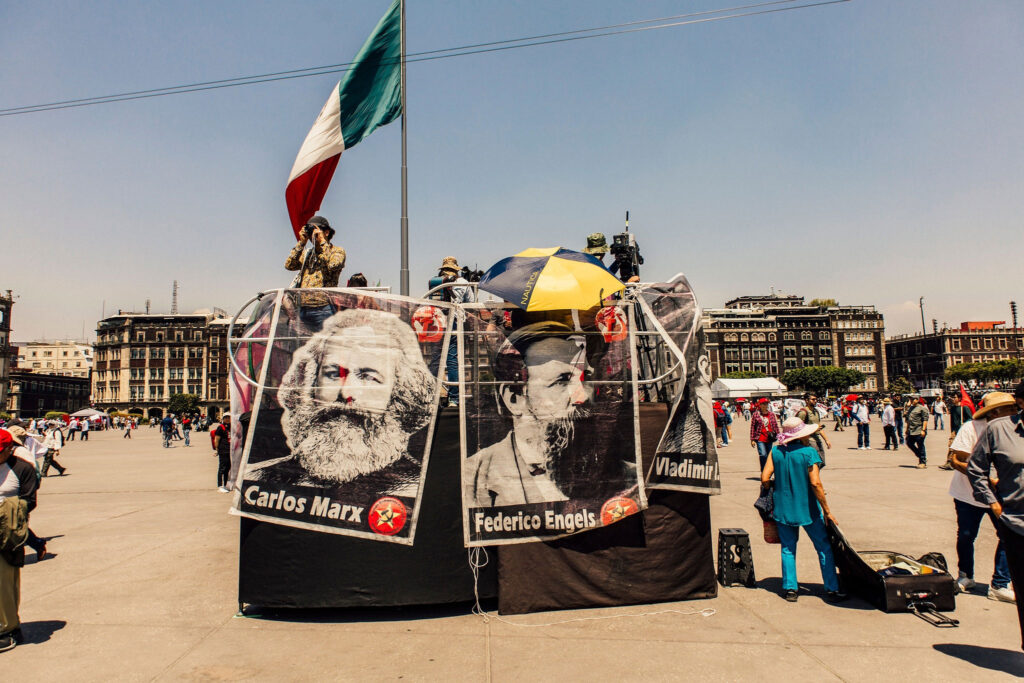
Mexico City’s International Workers Day Mobilized 20,000
May 2, 2026
National unions such as CNTE, SME and unions representing PEMEX and TelMex workers participated in multiple marches which converged on the Zócalo.
-
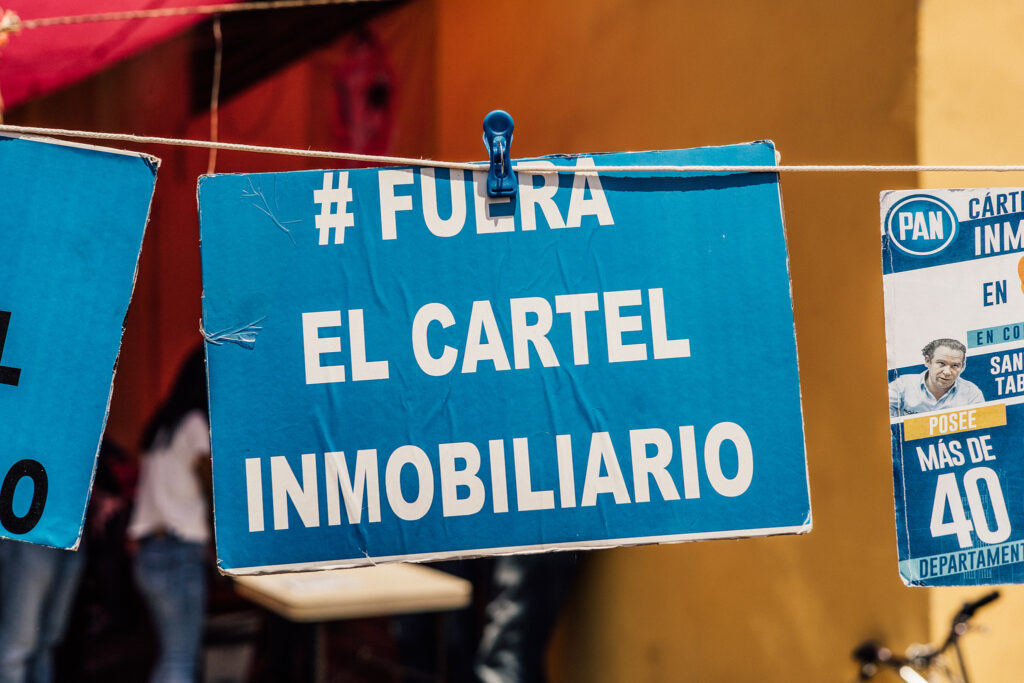
Housing Orgs & Experts See Fair Rents Reform as Insufficient in Face of Gentrification in Mexico City
May 2, 2026May 2, 2026
Nine months after CDMX head Clara Brugada presented the Fair Rents Act, none of its initial promises have been fulfilled say housing advocates & newly announced initiatives will only be implemented far in the future.
-
Labor | May Day | News Briefs
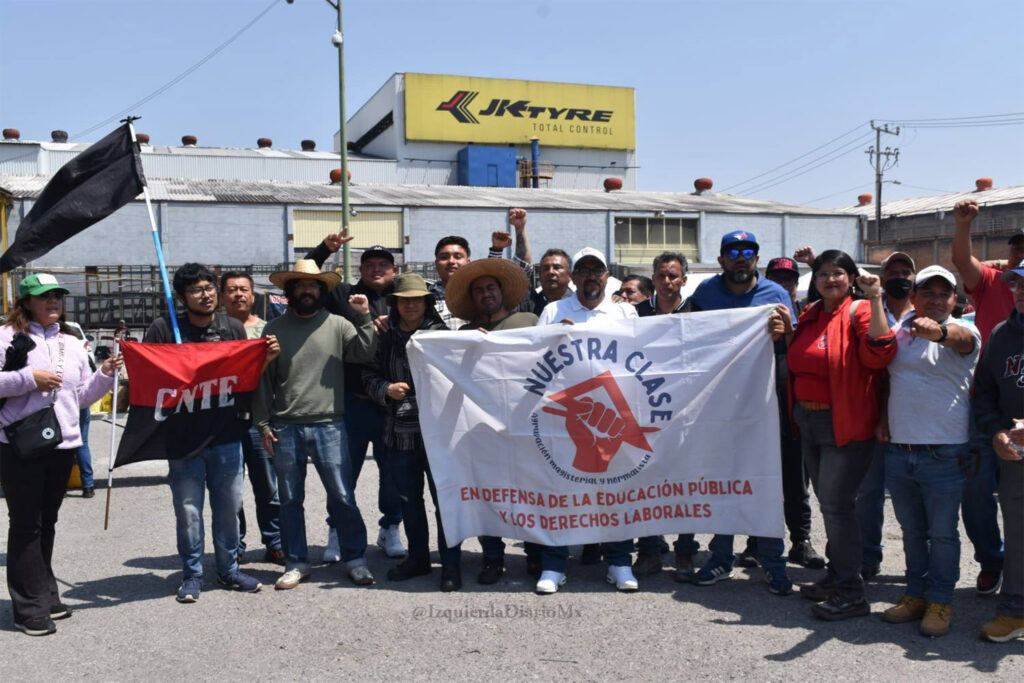
Tornel Workers Ask for President Sheinbaum’s Intervention to Resolve Strike
May 1, 2026
In March, striking workers were attacked on the picket line by an armed shock group who shot four workers.
The post Housing Orgs & Experts See Fair Rents Reform as Insufficient in Face of Gentrification in Mexico City appeared first on Mexico Solidarity Media.
From Mexico Solidarity Media via This RSS Feed.